Video. Spain battles major Aragon wildfire amid heatwave
Spain Battles Major Aragon Wildfire Amid Heatwave and Climate Concerns Spain battles major Aragon wildfire amid - Spain continues to face a significant

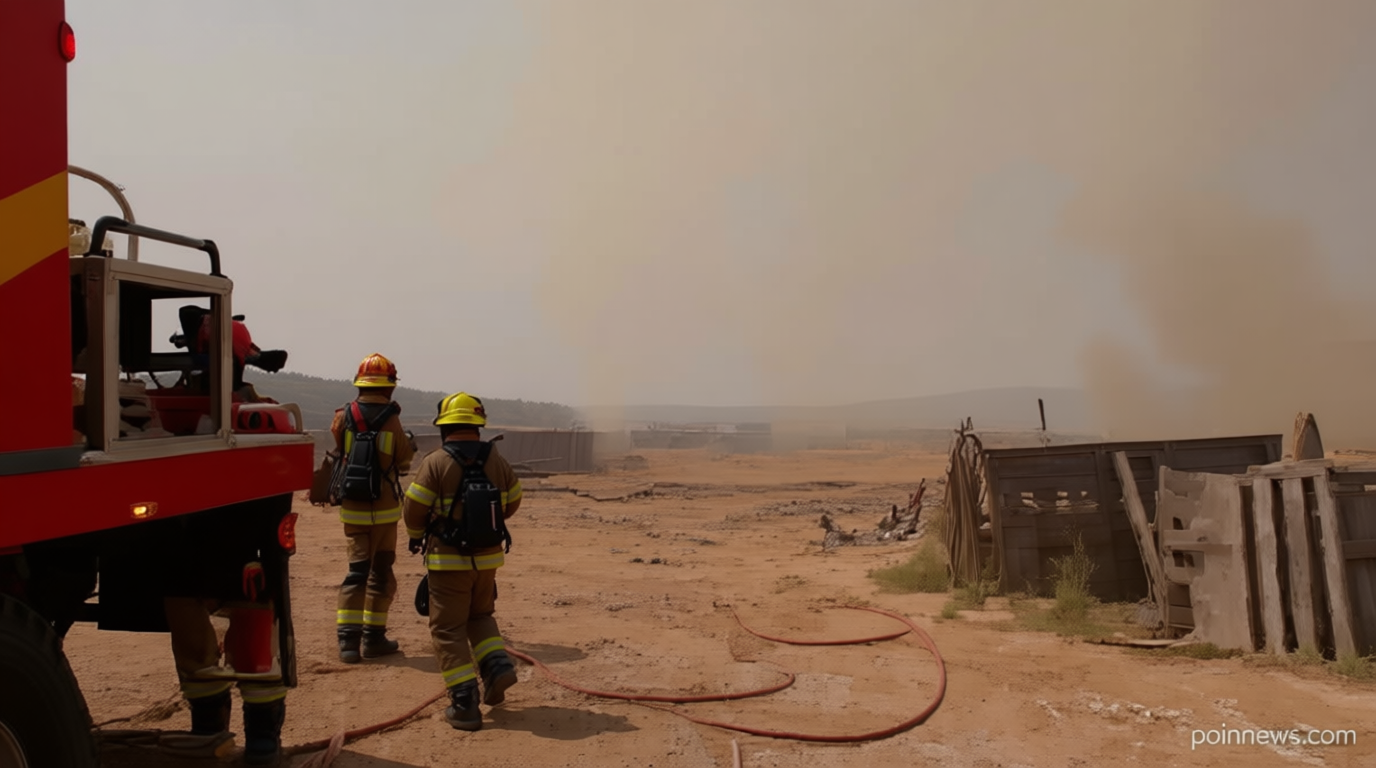
Table of Contents
Spain Battles Major Aragon Wildfire Amid Heatwave and Climate Concerns
Poinews.com – Spain continues to face a significant challenge as a major wildfire rages in the Aragon region, fueled by the relentless heat of a prolonged heatwave. The blaze, which broke out near Ores on 15 July, has intensified due to extreme weather conditions, with temperatures in the area reaching nearly 40°C and humidity levels dropping to dangerously low levels. The rapid spread of flames has led to the evacuation of five villages, as authorities prioritize the safety of residents and work to contain the fire’s encroachment on agricultural land, homes, and critical infrastructure. This ongoing crisis has drawn national and regional attention, with emergency services deploying extensive resources to combat the situation.
Response Efforts: A Combined Approach to Tackle the Crisis
As the Aragon wildfire escalated, a coordinated response from both military and civilian agencies became imperative. The Spanish government mobilized the Unidad Militar de Emergencias (UME), a specialized unit tasked with handling large-scale disasters, to join local firefighters in a relentless effort to suppress the flames. This collaboration involved ground teams working around the clock to establish firebreaks and deploy high-pressure hoses, while aerial support from helicopters and water-bombing planes provided critical assistance in targeting the fire’s most vulnerable areas. The operation has highlighted the growing need for integrated emergency strategies to address complex wildfire situations.
Firefighting Tactics and Technological Innovation
Firefighters have employed a range of advanced techniques to manage the Aragon wildfire, including the use of drones for real-time monitoring and the deployment of specialized equipment to navigate the region’s difficult terrain. The combination of ground and air resources has allowed for a more dynamic approach to containment, with teams adapting to shifting wind patterns and unpredictable fire behavior. Despite these efforts, the situation remains tense, as the fire’s front continues to advance, threatening both natural landscapes and human settlements in the region.
Community Impact and Evacuation Measures
The Aragon wildfire has not only tested the resilience of Spain’s emergency response systems but has also had a profound effect on local communities. Evacuation orders were issued for five villages, displacing hundreds of residents and creating a sense of urgency among families and businesses. The smoke from the blaze has affected air quality, prompting health warnings for those in nearby areas. Meanwhile, agricultural losses have raised concerns about the long-term economic impact on the region, with farmers facing the destruction of crops and livestock facilities.
Climate Change and the Escalating Wildfire Threat
The Aragon wildfire has reignited discussions about the role of climate change in intensifying Spain’s fire risk. Scientists and environmental analysts warn that rising global temperatures, coupled with prolonged droughts and increasingly erratic weather patterns, are creating conditions that make wildfires more frequent and severe. According to the European Forest Fire Information System (EFFIS), Spain’s wildfire season last year scorched over 400,000 hectares, a figure that underscores the country’s vulnerability to climate-driven disasters. The current blaze, which coincides with a record-breaking heatwave, serves as a stark reminder of the growing challenges posed by a warming planet.
Historical Context and Regional Vulnerability
The Aragon wildfire is part of a broader trend in Spain’s wildfire history, where extreme weather events have become more common in recent years. Just a week prior to this incident, a devastating fire in Almería province claimed 13 lives, including seven British nationals, highlighting the nation’s ongoing struggle with seasonal fires. Experts note that southern regions like Aragon are particularly susceptible to wildfires due to their arid climate and dense vegetation, which serve as ideal fuel for rapid fire spread. This context makes the current efforts to combat the Aragon blaze all the more critical, as it represents one of the most severe fire emergencies in the region in recent history.
Government Commitment and Future Preparedness
Prime Minister Pedro Sánchez has pledged government support to bolster emergency response efforts and provide aid to affected communities. His administration has allocated additional funding for firefighting equipment and personnel, emphasizing the need for long-term investment in climate resilience. As the Aragon wildfire continues, officials are also reviewing the effectiveness of current strategies and exploring new measures to prevent similar crises in the future. These actions reflect a growing recognition of the urgent need to adapt to the changing climate and its impact on natural disaster management.