Video. Trump welcomed to Versailles for dinner with Macron
Trump Welcomed to Versailles for a Historic Dinner with Macron Trump welcomed to Versailles for dinner - When U.S.

Trump Welcomed to Versailles for a Historic Dinner with Macron
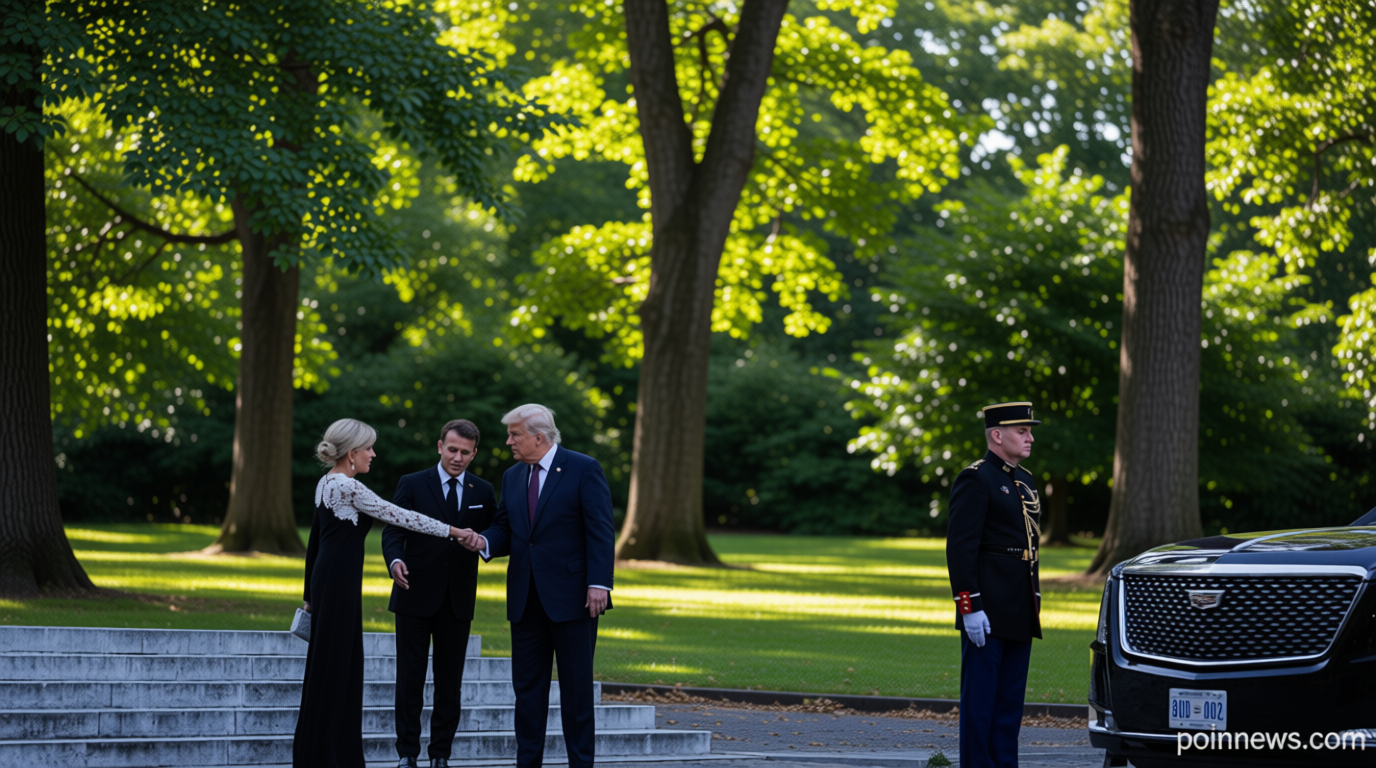
Poinews.com – When U.S. President Donald Trump was welcomed to Versailles for dinner with French President Emmanuel Macron, it marked a rare and symbolic gesture in international diplomacy. The event, held on June 17, 2026, as the G7 summit drew to a close in Evian, France, brought together two leaders whose relationship has often been a mix of camaraderie and contention. Trump’s attendance at the Palace of Versailles—a UNESCO World Heritage site and one of France’s most iconic landmarks—was framed as a culmination of the summit’s discussions, which had spanned critical topics like trade, climate change, and global security. The decision to host the dinner at Versailles was not merely about ambiance but also about leveraging its historical and cultural significance to foster dialogue in a more relaxed setting.
The Significance of Versailles in Diplomatic History
Versailles has long been a stage for pivotal international agreements, from the Treaty of Versailles in 1919 that ended World War I to modern diplomatic events. Hosting Trump there was a deliberate choice to invoke the legacy of French political influence. Macron, known for his strategic use of national symbols, emphasized that the venue served as an “instrument of influence” in the context of the G7 summit. The setting, with its opulent halls and storied past, added a layer of gravitas to the informal meeting, allowing leaders to step away from the pressures of formal negotiations and engage in more personal exchanges. This was particularly notable given the U.S. president’s reputation for preferring candid, off-the-record talks.
Trump, ever the self-promoter, took to the occasion with his signature blend of charm and humor. Upon arrival, he remarked on the “beautiful places” he had visited during his tenure, including the iconic Hall of Mirrors. His presence at Versailles underscored the importance of the venue as a diplomatic hub, even as it highlighted his preference for making a splash through grand gestures. The dinner was not just a celebration of the 250th anniversary of the United States but also a symbolic nod to the evolving relationship between the U.S. and its European allies. Macron’s invitation was seen as a way to strengthen ties amid ongoing challenges, such as the Ukraine conflict and trade disputes.
A Night of Informal Discussions and Cultural Exchange
The dinner at Versailles was designed to be a platform for informal dialogue, where leaders could address pressing global issues without the constraints of formal summits. With the G7 summit concluding earlier that day in Evian, the event at Versailles offered a rare opportunity for private conversations. Trump’s arrival was met with enthusiasm, as the palace’s grandeur and historical resonance created a striking backdrop for the meeting. Guests were treated to a curated menu reflecting French culinary traditions, further enhancing the experience’s cultural depth. The ambiance, from the candlelit tables to the centuries-old architecture, was intentionally crafted to foster a sense of unity and reflection among attendees.
Trump’s visit to Versailles also included a tour of the palace’s iconic spaces, such as the Hall of Mirrors and the Queen’s Apartments. These areas, which have hosted royalty and dignitaries for centuries, were highlighted as a testament to France’s enduring role in global affairs. Macron, in turn, underscored the strategic value of the location, noting that its grandeur could help “renew trust” between nations. The leaders’ interactions were observed closely by journalists and analysts, who noted the contrast between Trump’s exuberant personality and Macron’s calculated approach. This dynamic was expected to influence the tone of their discussions, which ranged from economic cooperation to shared security concerns.
As the evening unfolded, the focus keyword “Trump welcomed to Versailles for dinner” became a recurring theme in media coverage and political analysis. The event was widely seen as a diplomatic triumph for Macron, who used the setting to project France’s cultural and political stature. Trump, meanwhile, framed his participation as an acknowledgment of the country’s beauty and historical legacy. The dinner’s impact was amplified by its timing, coinciding with the United States’ 250th anniversary and the broader context of global alliances. With the G7 summit now in the rearview, the question remained: would this dinner mark a turning point in U.S.-European relations or simply a symbolic gesture?