Video. UK: Belfast violence leaves homes burnt and families displaced
the UK UK - In the United Kingdom, Belfast has become a focal point of escalating unrest after a violent incident in the city’s north district left homes

Belfast Violence Sparks Displacement and Destruction in the UK
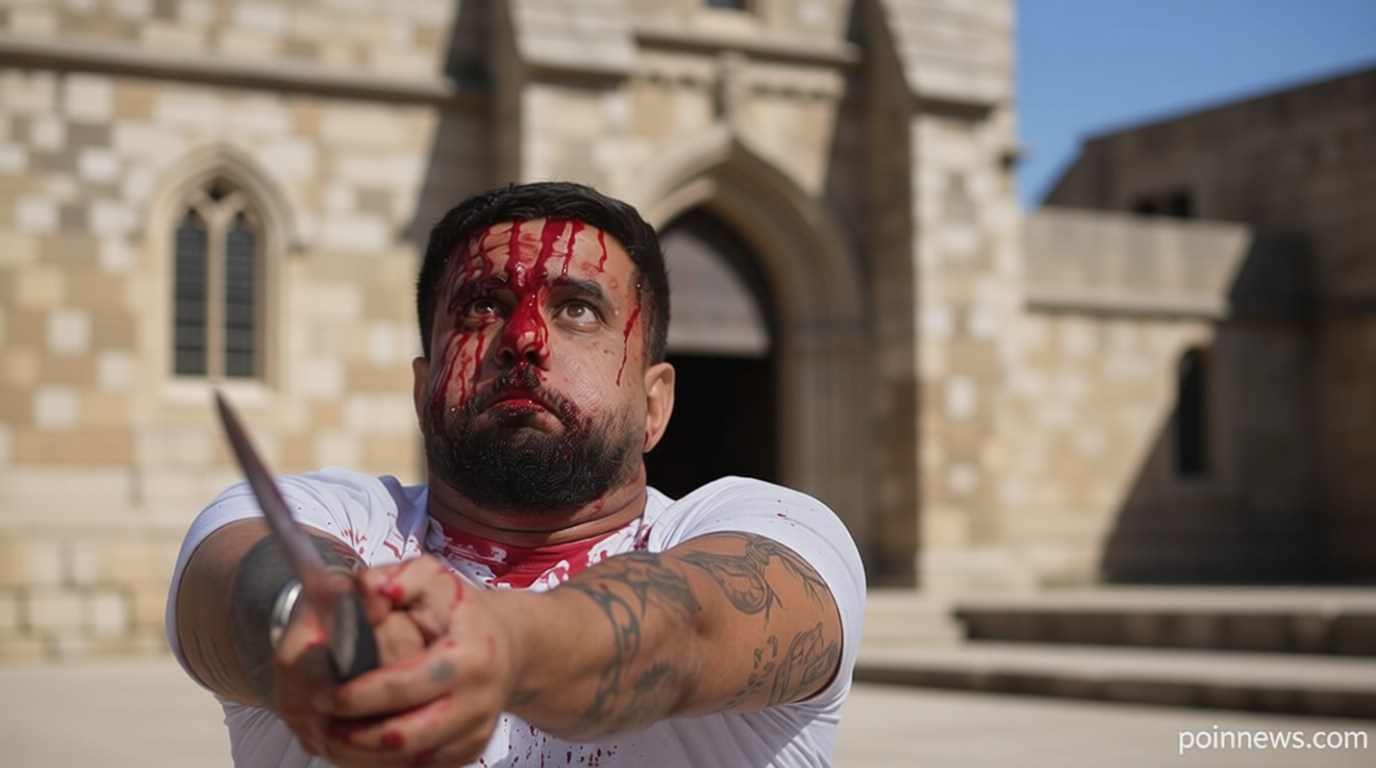
Poinews.com – UK – In the United Kingdom, Belfast has become a focal point of escalating unrest after a violent incident in the city’s north district left homes burnt and families forced to leave their homes. The conflict began when a 30-year-old Sudanese asylum seeker was arrested for attempting murder following a stabbing that left a 40-year-old man with severe facial, back, and eye injuries, including the loss of his left eye. This incident, occurring on 10 June, ignited a wave of anger that quickly turned into widespread chaos, with protesters and rioters targeting public infrastructure and private property across the region. The UK’s authorities are now grappling with the aftermath of this explosive outbreak, which has raised concerns about the stability of the city and the broader implications for the region.
Initial Incident and Immediate Consequences
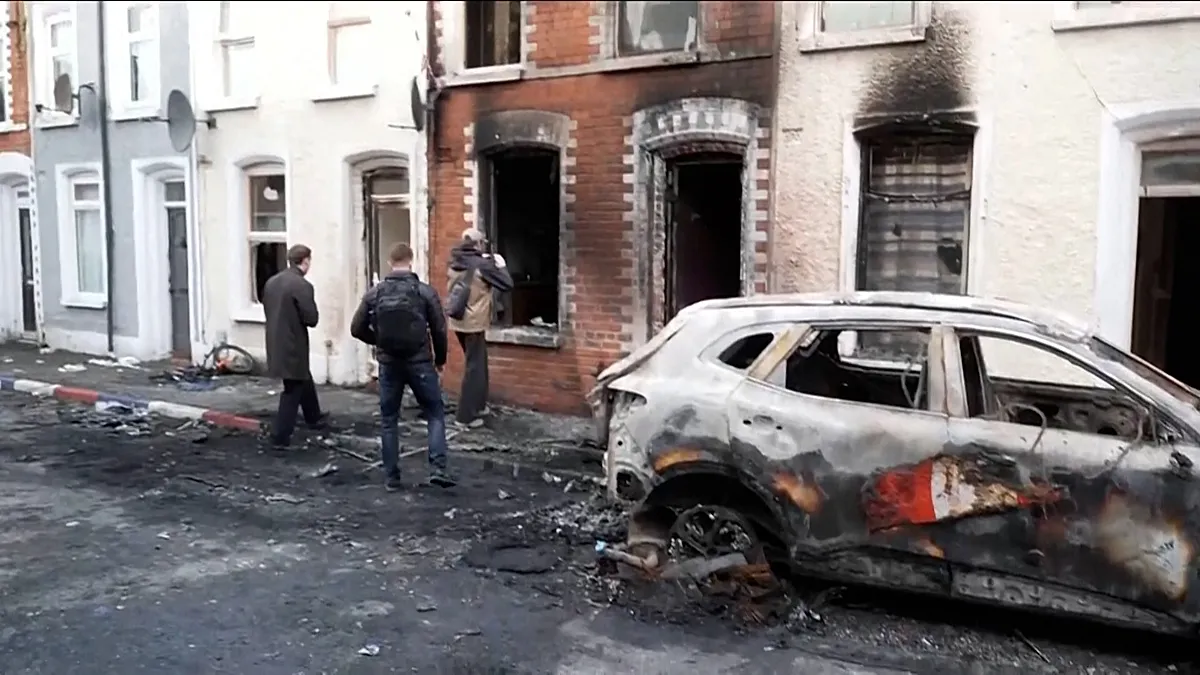
The violence erupted late on the night of 10 June when a group of individuals, some donning masks, stormed a public transport bus and set it ablaze. The fire spread to multiple vehicles and commercial bins, creating a firestorm of destruction in the streets. Residential areas were not spared, with three homes reduced to rubble and several others damaged beyond repair. Notably, a Middle Eastern supermarket and a Turkish bar were also targeted, highlighting the diversity of communities affected by the unrest. Firefighters were called to 62 incidents within five hours, responding to over 256 emergency calls as the situation escalated into a full-blown crisis.
“Several families have lost not just their homes but also cherished possessions,” shared local resident Jamie Corry.
The aftermath of the violence left residents in shock, with many forced to evacuate their homes under police guidance. By the next morning, the city was a patchwork of destruction, with shattered windows, smoldering structures, and charred vehicles scattered across the streets. The UK’s media reported that the damage extended far beyond physical destruction, as the incident fueled fears of a deeper rift between communities.
Widespread Disruption and Escalating Tensions
As the unrest spread, the UK’s Northern Ireland region faced unprecedented disruption. The violence moved from the initial north district to east Belfast, Portadown, Newtownabbey, Ballyclare, and parts of Derry, causing chaos in neighborhoods previously considered stable. In Antrim, transportation services were severely impacted, with roads closed and public transport delayed for days. The UK’s police force worked tirelessly to contain the situation, but the scale of the disturbances made it difficult to restore order quickly. Two officers were injured during the riots, underscoring the severity of the conflict.
Residents expressed deep concern over the growing tensions, with many fearing that the violence could spiral into a larger conflict. Local businesses suffered significant losses, and the UK’s tourism industry saw a sharp decline as visitors hesitated to travel to the affected areas. The UK’s government has since called for calm, emphasizing the need to prevent further escalation and to ensure that the violence does not overshadow the city’s long history of resilience and cultural diversity.
Political Reactions and Calls for Unity
Leaders across the UK’s Northern Ireland have strongly condemned the violence, with Justice Minister Naomi Long describing the scenes as “horrific and shameful.” First Minister Michelle O’Neill added her voice to the criticism, calling the attacks “pure thuggery” and “disgusting cowardice.” These statements reflect the political urgency to address the root causes of the unrest and to protect the UK’s communities from further harm.
Authorities in the UK have urged citizens to avoid actions that might inflame tensions, warning against singling out specific groups. Public transport operator Translink, based in the UK, restarted services on 10 June, but delays persisted due to debris and structural damage. The UK’s emergency services continue to monitor the situation closely, with a focus on preventing any further incidents and providing support to displaced families. The government has also pledged to investigate the incident thoroughly, ensuring accountability and restoring public confidence in the UK’s ability to manage such crises.
Community Response and Resilience
Despite the devastation, the UK’s Belfast communities have shown remarkable resilience. Local volunteers and organizations have begun efforts to clear debris and assist families who lost their homes. Many residents have taken to social media to share their stories, emphasizing the unity that remains despite the violence. “Even in the face of chaos, we are coming together to rebuild,” said a spokesperson for the Belfast Community Aid Group. This grassroots response highlights the enduring spirit of the UK’s people and their determination to overcome the challenges posed by the unrest.
Organizations in the UK have also launched initiatives to support affected families, including temporary housing and financial assistance. The incident has sparked discussions about the need for improved community relations and stronger measures to prevent future conflicts. As the UK’s authorities work to restore order, the focus remains on ensuring that the violence does not erode the sense of solidarity that has long defined the region.
Looking Ahead: The Road to Recovery
With the UK’s Belfast still recovering from the recent violence, officials are emphasizing the importance of dialogue and understanding. The incident has served as a stark reminder of the potential for unrest in the UK’s communities, particularly in areas with a history of social and political divisions. Local leaders have called for a renewed commitment to peace, urging both sides to move beyond the immediate conflict and to address underlying issues that contributed to the violence.
As the UK’s residents begin to rebuild, the lessons from this event will be crucial in shaping future strategies for conflict resolution. The UK’s government has pledged to increase support for communities affected by the unrest, ensuring that they have the resources needed to recover. With continued efforts, the hope is that Belfast can emerge from this crisis stronger, united, and ready to face whatever challenges lie ahead in the UK’s ongoing journey toward stability.