Video. World Cup street art returns to Rio de Janeiro
o World Cup street art returns to Rio - The World Cup street art returns to Rio de Janeiro as the city once again transforms its urban landscape into a living

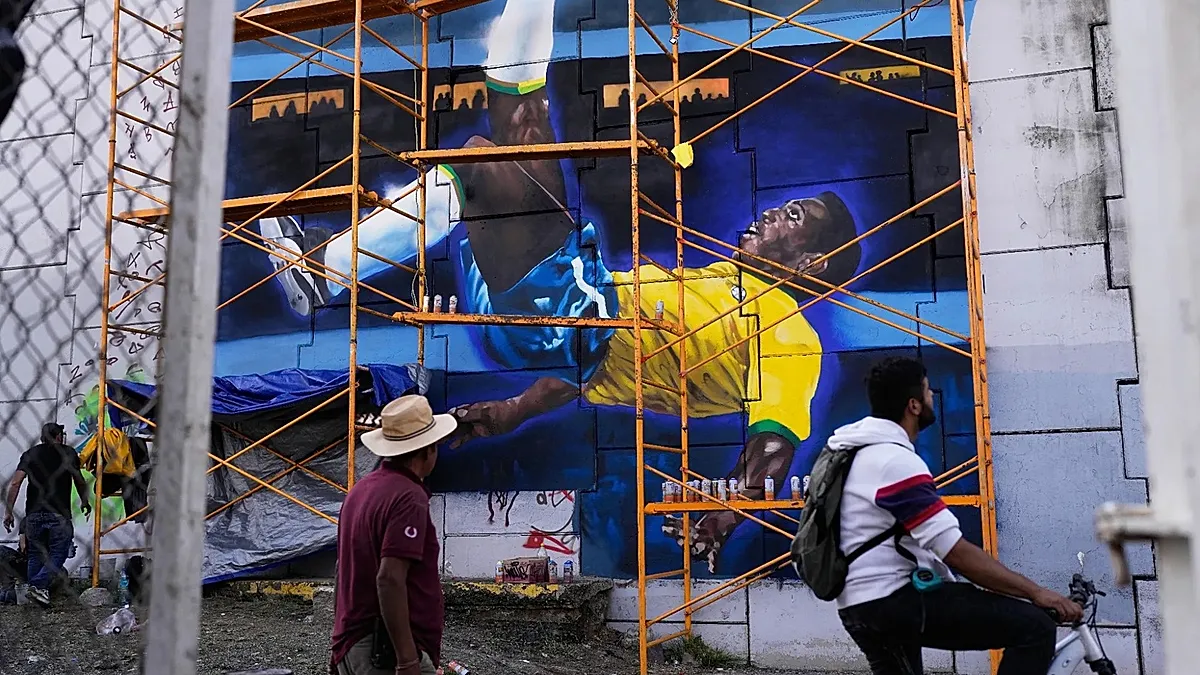
Video. World Cup street art returns to Rio de Janeiro
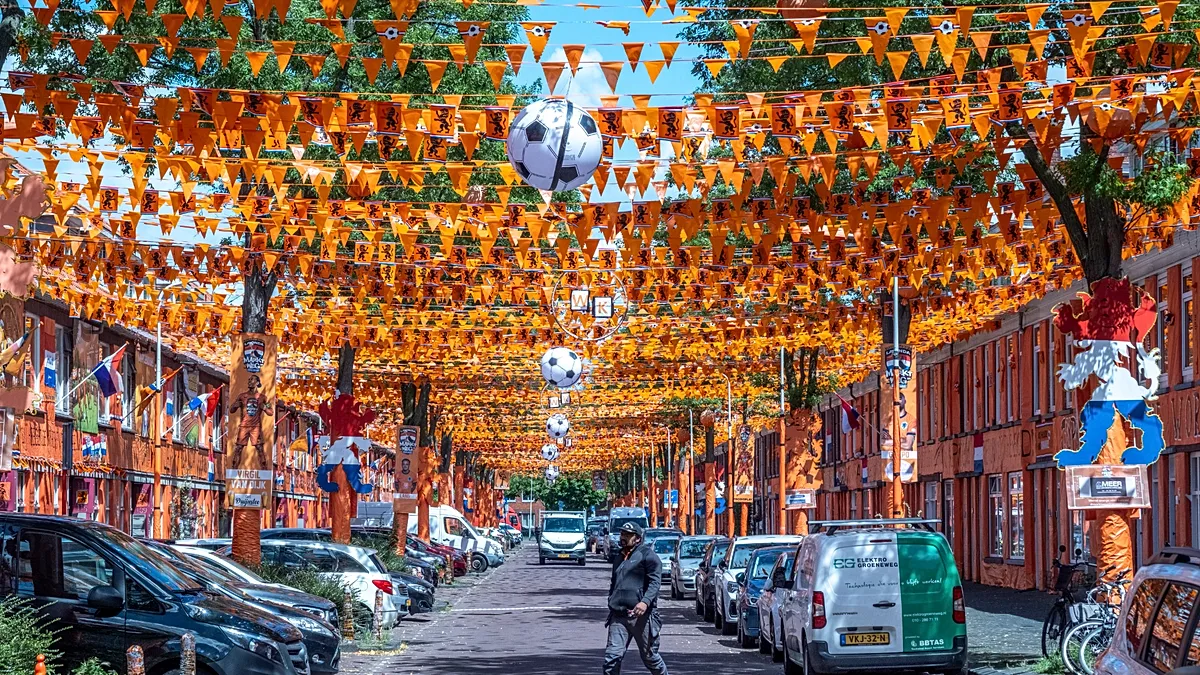
Poinews.com – The World Cup street art returns to Rio de Janeiro as the city once again transforms its urban landscape into a living gallery of national pride and celebration. This year’s initiative, echoing the spirit of past tournaments, sees neighborhoods across Brazil’s coastal metropolis come alive with colorful murals, graffiti, and creative displays that reflect the fervor surrounding the FIFA World Cup. The vibrant green and yellow hues, emblematic of Brazil’s national football team, blanket walls, sidewalks, and public spaces, creating an immersive experience that unites fans in their collective excitement for the event. As the World Cup street art returns, it not only revives a tradition of public expression but also serves as a powerful reminder of the deep cultural connection between Brazil’s football passion and its visual storytelling.
Vibrant Colors of National Pride
Green and yellow, the iconic colors of Brazil’s football jersey, dominate the street art initiative, symbolizing the nation’s identity and aspirations on the global stage. These hues are more than just aesthetic choices—they are a visual representation of the unity and hope that accompany the country’s pursuit of a World Cup victory. In Rio de Janeiro, where the spirit of the game is palpable, residents have embraced the opportunity to showcase their love for the sport through large-scale artworks that blend creativity with patriotism. The designs often incorporate elements of Brazilian culture, such as traditional patterns, indigenous motifs, and references to the nation’s natural landscapes, reinforcing the idea that football is deeply intertwined with the country’s heritage. This year’s iteration of the World Cup street art returns with renewed energy, capturing the hearts of both locals and visitors alike.
Historical Roots and Community Spirit
For decades, Rio de Janeiro has been a hub for street art that celebrates major sporting events, and the World Cup is no exception. The tradition of using public spaces as canvases for collective celebration dates back to the 2014 World Cup, when the city transformed its streets into a dynamic showcase of Brazil’s football legacy. This year’s resurgence of the World Cup street art returns to the same pattern, highlighting how communities rally around the national team to create a sense of belonging and shared purpose. Local artists and residents collaborate to design murals that reflect the tournament’s significance, blending football imagery with social commentary and cultural pride. The initiative not only amplifies the city’s excitement for the event but also serves as a testament to the enduring power of art as a medium for expression and connection in times of national triumph or anticipation.
Creative Expression in Public Spaces
As the World Cup street art returns to Rio, it becomes a platform for creative expression that transcends traditional media. Public spaces, often seen as shared canvases, are now infused with imagery that captures the essence of the tournament. From massive murals depicting players in action to smaller, intricate designs that blend football themes with local landmarks, the art reflects the diversity of the city’s neighborhoods and their unique interpretations of the national team’s journey. This creative movement also serves as a way to engage younger generations, who may be more drawn to visual storytelling than conventional sports coverage. By transforming streets into galleries, the initiative fosters a sense of community involvement and ensures that the excitement of the World Cup is accessible to all, regardless of their ability to attend matches in person.
Global Impact and Cultural Significance
The World Cup street art returns to Rio de Janeiro not only as a local phenomenon but as a globally recognized symbol of Brazil’s sporting culture. Cities around the world have seen similar displays during past tournaments, but the scale and intensity of the project in Rio underscore its role as a cultural beacon. The art bridges the gap between the national team’s performance and the everyday lives of fans, making the excitement of the World Cup tangible and immediate. For many, these visual displays are a way to connect with the broader global community of football enthusiasts, sharing the same hopes and dreams for Brazil’s success. As the tournament approaches, the street art becomes a focal point of conversation, reinforcing the idea that football is not just a sport but a unifying force that brings people together through shared passion and creativity.
Looking Ahead: A Symbol of Resilience and Hope
With the World Cup street art returns to Rio de Janeiro, the city’s neighborhoods are once again at the forefront of a cultural movement that celebrates both the sport and the people who cherish it. The initiative reflects a deep-seated tradition of using art to express collective aspirations, even in the face of challenges such as economic fluctuations or social unrest. As Brazil prepares to host the tournament, these murals and graffiti serve as a visual reminder of the country’s resilience and its enduring love for football. The art also acts as a catalyst for dialogue, sparking conversations about the role of public spaces in fostering community spirit and national pride. By keeping the focus keyword “World Cup street art returns” central to the narrative, the city ensures that its cultural identity remains at the heart of the global spotlight, even as the world watches for the next chapter in Brazil’s football history.