Europe Today: US and Iran exchange fresh attacks as EU unveils new Russia sanctions
Europe Today: US and Iran Escalate Tensions Amid EU's New Russia Sanctions Europe Today's Latest Coverage Europe Today reports that the United States and Iran

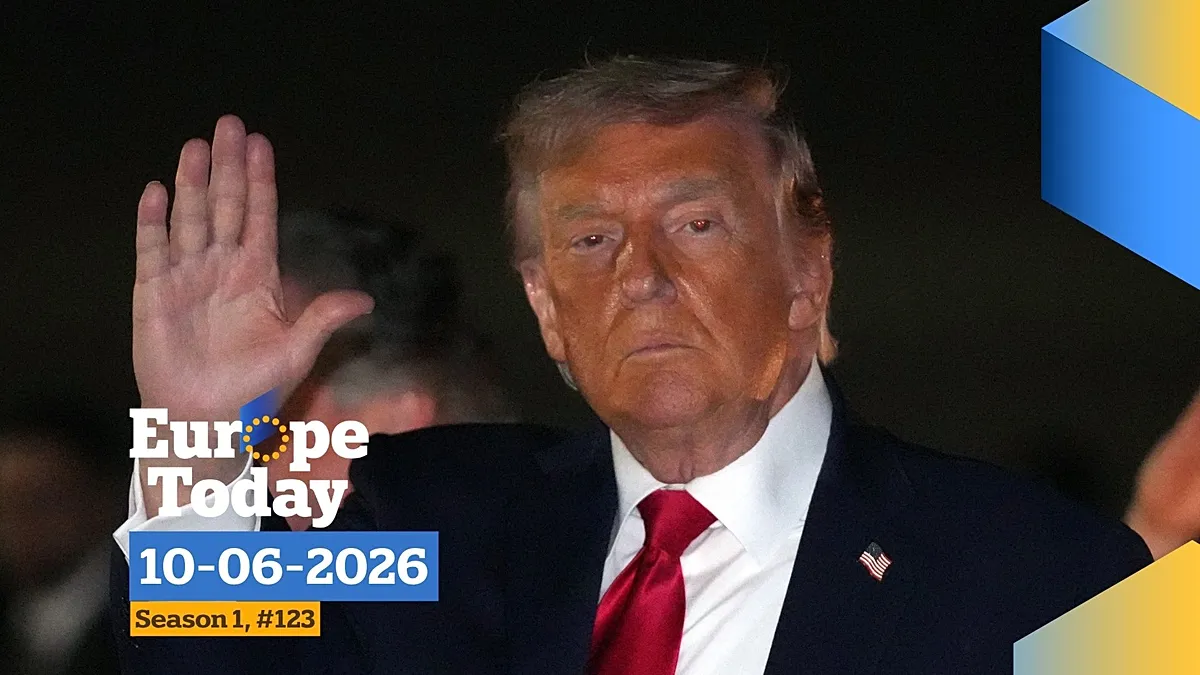
Europe Today: US and Iran Escalate Tensions Amid EU’s New Russia Sanctions
Europe Today’s Latest Coverage
Poinews.com – Europe Today reports that the United States and Iran have intensified their diplomatic clashes, with both sides accusing each other of escalating hostilities in the Middle East. This renewed confrontation comes as the European Union announces additional sanctions targeting Russia, signaling a unified stance against Moscow’s actions in Ukraine and its broader geopolitical maneuvers. The EU’s latest measures, unveiled in Brussels, aim to tighten economic pressure on Russia while navigating the complex web of international alliances and trade dependencies.
EU’s Strategic Moves
The European Union’s decision to impose new Russia sanctions reflects a growing consensus among member states to isolate the country further. These sanctions include restrictions on energy exports, increased financial penalties for Russian entities involved in the conflict, and measures to curb the flow of goods from occupied territories. Europe Today highlights that the EU’s approach is not only about economic leverage but also about reinforcing its role as a key player in global diplomacy, even as tensions with the US and Iran reach new heights.
“The EU’s sanctions are a clear statement of our commitment to peace in Europe and our solidarity with Ukraine,” said EU foreign policy chief Josep Borrell in a recent statement, emphasizing the bloc’s resolve to maintain pressure on Russia despite challenges.
Geopolitical Context and Consequences
As Europe Today notes, the US and Iran’s exchange of sharp criticism highlights the shifting dynamics in the region. The US has accused Iran of supporting militant groups in Syria and Iraq, while Iran has retaliated by condemning Washington’s sanctions and military interventions. These tensions could impact regional stability, particularly as both nations seek to balance their alliances with European partners. Europe Today’s analysis underscores the importance of maintaining dialogue with Iran, even amid rising hostilities, to prevent further escalation.
EU’s Internal Reactions
Inside the EU, reactions to the new sanctions have been mixed. While most member states support the measures, some have raised concerns about the potential economic repercussions on industries reliant on Russian energy. Europe Today reports that Germany, France, and the Netherlands are particularly vocal, advocating for a balanced approach that combines sanctions with incentives to encourage diplomatic progress. The EU’s ability to maintain unity will be crucial in shaping the future of its foreign policy and trade relations.
Global Implications for the EU
The EU’s actions are part of a broader effort to assert its influence on the global stage. Europe Today explains that the bloc’s sanctions on Russia are designed to counteract the country’s energy dominance and signal its willingness to act independently of US pressure. However, the US-Iran tensions add another layer of complexity, as the EU must navigate its relationships with both powers to uphold its strategic objectives. This balancing act highlights the challenges of maintaining a cohesive foreign policy in a fragmented world.
Broader Economic and Political Landscape
Europe Today also delves into the wider economic implications of the EU’s sanctions. With Russia’s energy exports facing stricter controls, European nations are exploring alternatives, including increased reliance on LNG from the US and enhanced cooperation with Norway and North Africa. Additionally, the EU is working to strengthen its trade agreements with Asia and Africa to mitigate the impact of sanctions on its economy. These efforts underscore the importance of economic resilience in the face of geopolitical uncertainty.
As Europe Today continues to provide in-depth coverage, the article emphasizes the interconnected nature of global events. The US-Iran conflict, the EU’s Russia sanctions, and the bloc’s internal debates all contribute to a complex geopolitical landscape. By maintaining a focus on Europe Today’s perspective, the report offers a comprehensive view of how these developments shape the future of international relations and economic policies in the region.