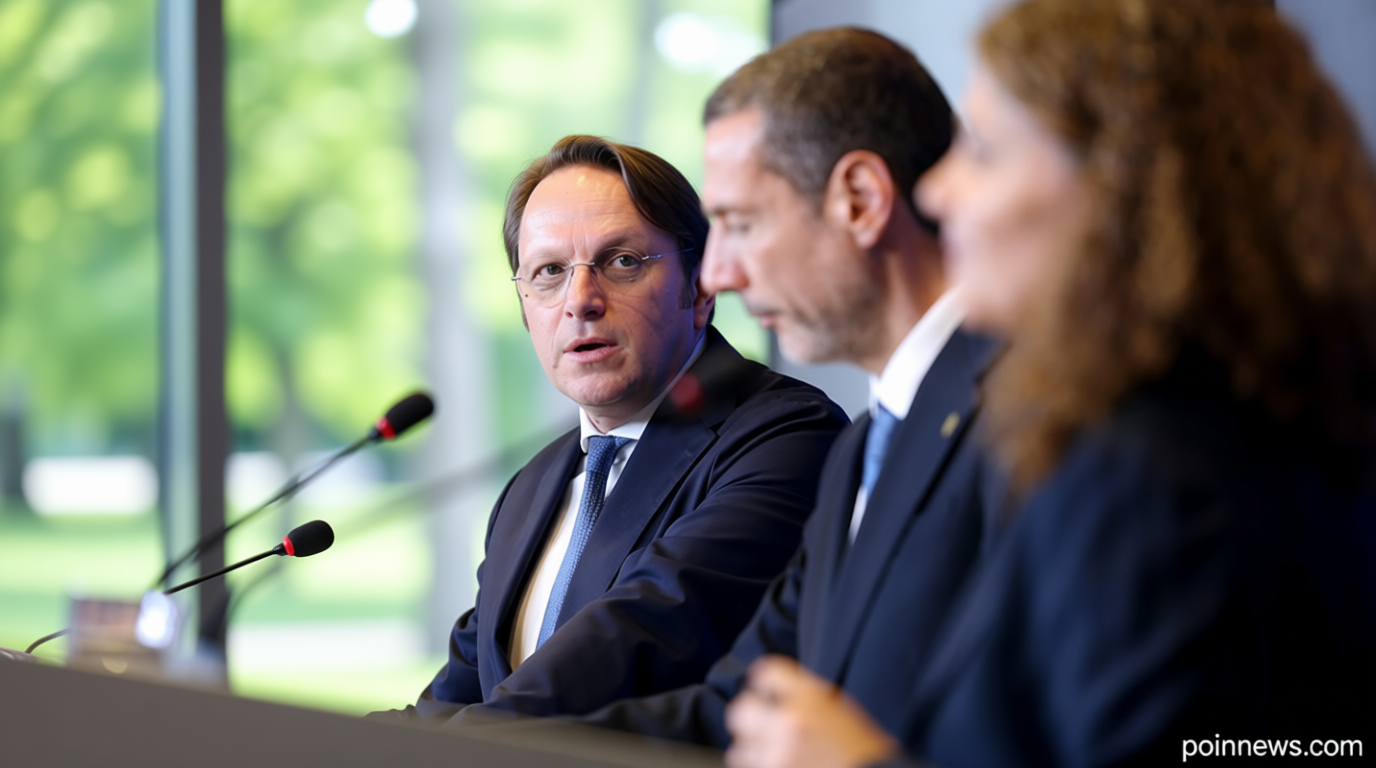
WHO says Europe must act after 200,000 preventable heat-related deaths
WHO Urges Europe to Take Action Amid 200,000 Preventable Heat-Related Deaths WHO says Europe must act after 200 - The World Health Organization (WHO) has


WHO Urges Europe to Take Action Amid 200,000 Preventable Heat-Related Deaths
Poinews.com – The World Health Organization (WHO) has issued a powerful call to action for European nations, citing the alarming rise in heat-related fatalities as a critical wake-up call. Over the past four years, more than 200,000 deaths linked to extreme heat have been recorded across the continent, with the WHO Europe director, Hans Kluge, emphasizing that the majority of these deaths are preventable. This staggering figure underscores the growing urgency for governments to adopt proactive measures and invest in climate resilience to safeguard their populations from the escalating threat of heatwaves.
The Escalating Crisis of Heat-Related Mortality
According to the latest WHO data, the number of heat-related deaths in Europe has surged, particularly in countries such as Italy, Spain, Germany, and Greece. Greece, for instance, has reported the highest rate of heat-related fatalities per million residents, a trend that has raised concerns about the region’s vulnerability to climate change. These deaths are not just isolated incidents; they represent a systemic failure to address the interconnected challenges of rising temperatures, urbanization, and aging demographics. With heatwaves becoming more frequent and intense, the WHO warns that without immediate intervention, the toll on public health will continue to mount.
“Extreme heat represents the most immediate and lethal consequence of global warming,” said Hans Kluge during the release of the updated Heat–Health Action Plans Guidance in Germany. “What was once considered an unusual weather event has become a recurring crisis, causing widespread harm, overwhelming healthcare systems, and straining infrastructure.”
Kluge’s statement highlights the need for a paradigm shift in how European countries approach climate adaptation. While individual actions like staying hydrated and using air conditioning can reduce personal risk, they are not enough to combat the broader environmental and socioeconomic factors contributing to heat vulnerability. The WHO’s second edition of the heat–health action plans is designed to address this gap by providing a comprehensive framework for governments to integrate heat risk mitigation into national policies.
Key Recommendations for Heatwave Preparedness
The updated WHO guidelines advocate for a multi-pronged strategy to combat heat-related deaths. One of the central recommendations is the expansion of urban greening initiatives, such as planting trees and creating green spaces, which can lower local temperatures and provide natural cooling. Additionally, the organization emphasizes the establishment of cooling centers in high-risk areas, ensuring that vulnerable populations have access to safe environments during extreme weather events.
Another critical aspect of the new guidance is the focus on public awareness campaigns. The WHO stresses that educating citizens about heat risks, such as the dangers of prolonged sun exposure and the importance of hydration, is essential for community resilience. Furthermore, the guidelines call for improved early warning systems and coordination between healthcare providers, emergency services, and local governments to ensure rapid response during heatwaves.
“Heat protection is not just a personal responsibility—it’s a social challenge,” added Carsten Schneider, Germany’s Federal Environment Minister, during a recent press conference. “Individuals without access to private cooling spaces or green areas in densely built urban environments face disproportionate risks.” Schneider’s remarks reflect the growing recognition of inequality in heat vulnerability, particularly among low-income communities and the elderly, who are often the most affected by extreme temperatures.
The WHO also highlights the importance of adapting infrastructure to withstand rising temperatures. This includes retrofitting buildings to improve insulation, ensuring reliable power supply for air conditioning during heatwaves, and investing in public transportation systems that reduce reliance on cars in high-heat conditions. By addressing these structural challenges, European nations can create a more resilient society capable of withstanding the impacts of climate change.
With the first edition of the heat–health action plans launched in 2008, the WHO has continuously refined its approach based on emerging data and real-world experiences. The second iteration of the guidance incorporates advanced climate models, improved risk assessments, and case studies from regions that have successfully implemented heat mitigation strategies. This evolution underscores the organization’s commitment to staying ahead of the crisis and ensuring that European countries are equipped to respond effectively.