How the ICD protecting Christian Eriksen’s heart on the football pitch actually works
ICD Protects Christian Eriksen's Heart on Football Pitch How the ICD protecting Christian Eriksen - When Christian Eriksen collapsed during a high-stakes

ICD Protects Christian Eriksen’s Heart on Football Pitch
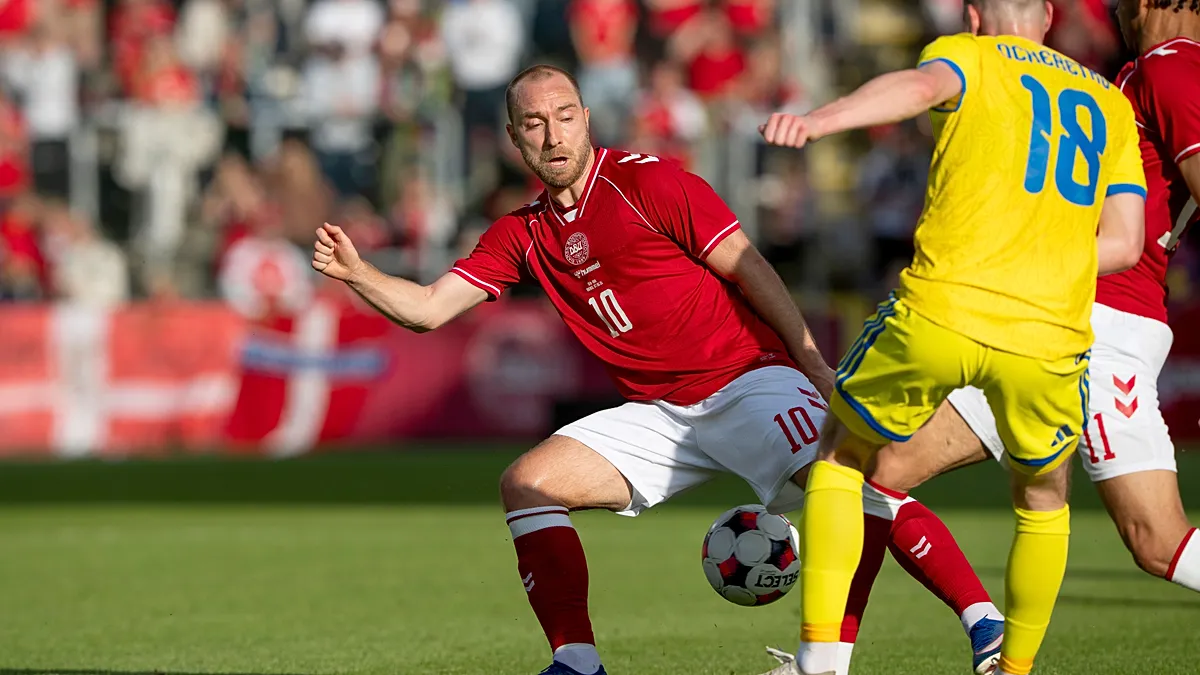
Poinews.com – When Christian Eriksen collapsed during a high-stakes match against Ukraine in June 2026, the world watched as the Danish midfielder’s life hung in the balance. This incident, the second time the 34-year-old athlete has faced a heart emergency on the field, was made possible by the implantable cardioverter defibrillator (ICD) that now safeguards his heart. Following his cardiac arrest during the 2021 European Championship, Eriksen’s medical team installed the ICD to monitor and correct dangerous rhythms, offering him a renewed chance to play at the top level. The device, often referred to as the ICD protecting Christian, has become a symbol of resilience in sports medicine.
Eriksen’s experience highlights the critical role of the ICD in modern sports cardiology. Since the 2021 incident, he has shared on social media about his recovery, emphasizing the importance of timely medical intervention. “Thanks to the ICD protecting Christian, I was able to regain my health and continue pursuing my passion,” he said in a
quote
. His story has sparked global conversations about the safety of athletes with ICDs, challenging previous assumptions about their limitations during high-intensity play.
The Mechanics of an ICD
An ICD is a small, battery-powered device that resides beneath the skin in the chest. It is connected to the heart through wires, allowing it to continuously monitor electrical activity and detect irregular rhythms such as ventricular tachycardia or fibrillation. When the ICD identifies a life-threatening arrhythmia, it delivers electric shocks to restore the heart’s normal rhythm, often within milliseconds. This process, known as cardioversion, is crucial for athletes like Eriksen, who need rapid intervention to prevent sudden cardiac events during play.
Modern ICDs are designed for long-term use, typically lasting over a decade. According to the American Heart Association, these devices are ideal for individuals with a history of cardiac arrest or conditions like myocarditis, which can weaken heart function. The ICD protecting Christian is not just a medical tool—it’s a lifeline for athletes who wish to continue competing while managing their heart health. Advances in technology have also enabled customization, allowing doctors to adjust shock thresholds based on individual activity levels and risk profiles.
Updated Guidelines for ICD Users in Sports
Historically, athletes with ICDs were advised to avoid intense physical activity due to the risk of device activation during exertion. However, recent studies have challenged this view, leading to more personalized guidelines. The ICD Sports Registry, a four-year study involving 440 athletes, found no fatal incidents or significant cardiac complications among those who returned to play with the device. This data reassures sports organizations and medical professionals that the ICD protecting Christian can be safely integrated into an athlete’s routine.
Researchers now emphasize the importance of individualized assessments. Factors such as the athlete’s condition, the ICD’s settings, and their overall fitness level are evaluated before allowing them to return to sport. For instance, the ICD can be programmed to deliver shocks only when necessary, minimizing disruptions during gameplay. This adaptability has enabled athletes like Eriksen to maintain their careers, proving that the ICD protecting Christian is not a barrier to performance but a tool for enhanced safety.
As the ICD Sports Registry’s findings gain traction, more athletes are embracing the technology. For example, Katharina Bauer, a German pole vaulter, continued competing after receiving a subcutaneous ICD in 2018. Her condition, which required two childhood surgeries, was managed with the device after an episode of arrhythmia. Similarly, Dutch footballer Daley Blind, who had an ICD implanted following a myocarditis diagnosis, now plays in Spain’s top division, showcasing the device’s effectiveness in high-stakes sports.
The ICD protecting Christian has also influenced training and recovery protocols. Teams now prioritize pre-season evaluations to ensure athletes with the device are physically and mentally prepared. Coaches and medical staff work closely to balance intensity with safety, often using wearable technology to track Eriksen’s heart rate and rhythm during matches. This proactive approach not only protects the athlete but also sets a precedent for integrating advanced medical devices into sports culture.