EU auditors flag weak oversight of €527 million Balkans transport fund
EU Auditors Flag Weak Oversight of €527 Million Balkans Transport Fund EU auditors flag weak oversight of 527 - The European Union has poured €527 million

EU Auditors Flag Weak Oversight of €527 Million Balkans Transport Fund
Poinews.com – The European Union has poured €527 million into a major initiative aimed at improving connectivity between the Western Balkans and the bloc’s transport systems. Yet, over a decade since the program began, EU auditors have raised concerns about its progress toward completing the core transport network by the 2030 target. A recent audit by the European Court of Auditors (ECA), released shortly after the EU-Western Balkans summit in Montenegro, highlights systemic issues in monitoring and managing the funding.
Audit Findings Highlight Concerns
The ECA’s report, covering projects from 2015 to mid-2025, reveals that the European Commission has frequently disbursed grants exceeding the actual work completed. This practice has weakened the EU’s ability to use financial support as a tool to ensure compliance and maintain timelines. Additionally, the Commission has increasingly delegated oversight to international lenders, which has led to limited visibility into the implementation of key infrastructure projects.
“In terms of EU enlargement, well-developed infrastructure is a step toward meeting accession criteria. The Western Balkans’ transport projects are progressing too slowly to connect the region to the EU this decade,” said Laima Andrikienė, ECA member leading the report.
Progress and Challenges
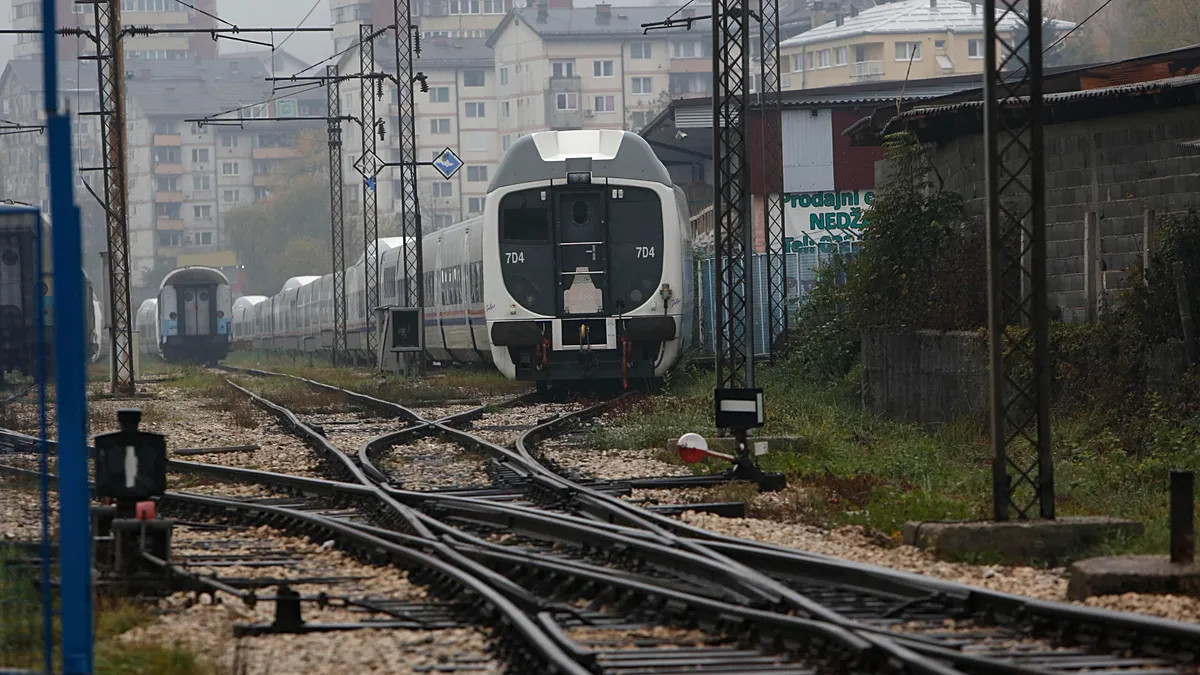
Of the 43 transport investment grants approved in Bosnia and Herzegovina, Kosovo, North Macedonia, and Serbia, only six were completed by mid-2025. Several rail projects remain unstarted, while some finished infrastructure risks underutilization due to incomplete connecting sections funded by other donors. The audit also found that project data was often outdated, delays poorly documented, and monitoring systems failed to capture real-time progress on the ground.
Delays were common, with some projects lagging more than two years behind schedule. Design changes were required after construction began, and permitting issues or administrative bottlenecks further slowed delivery. The ECA emphasized that the Commission’s oversight of these projects is insufficient, urging stronger accountability measures to ensure funds are used effectively.
“The Commission should ensure that lead financial institutions provide evidence of insufficient project developer capacity, conflict of interest, or lack of beneficiary and national ownership,” the report stated.
Path Forward for the EU
Despite significant investments, the audit warns that progress remains uneven. While EU funding has supported critical infrastructure, the ECA expects its findings to drive improvements in project selection, monitoring, and reporting. The report calls for greater transparency and more rigorous assessments to align the Western Balkans with EU standards and strengthen regional integration.