Watch: Empty seats and closed borders? FIFA’s high-stakes bet on a divided America
Watch: Empty seats and closed borders? FIFA’s high-stakes bet on a divided America: FIFA’s High-Stakes Gambit in a Fractured America Watch: Empty seats and

FIFA’s High-Stakes Gambit in a Fractured America
Poinews.com – Watch: Empty seats and closed borders? FIFA’s ambitious World Cup in the U.S. is facing mounting challenges as political divisions cast a shadow over the tournament. With its headquarters in Switzerland and a sprawling Manhattan office in Trump Tower, FIFA President Gianni Infantino has positioned himself as a key player in a high-stakes gamble to unify a nation split by ideological rifts. The event, which began with grand expectations, is now encountering obstacles that blur the line between sports and geopolitics, raising questions about its long-term viability.
The Financial Landscape of the Tournament
FIFA’s World Cup in the U.S. is projected to generate over $3 billion in revenue, driven by ticket sales, sponsorships, and hospitality packages. However, corporate pricing strategies have significantly altered the market, with team-final tickets now priced at five times their original value from four years ago. This surge in costs has led to a surge in the secondary market, where nearly 180,000 tickets are circulating, and median prices have dropped by 20% within a month. Despite these financial hurdles, FIFA remains optimistic about its ability to attract global audiences, even as the domestic scene becomes increasingly unpredictable.
Political Tensions at the Border
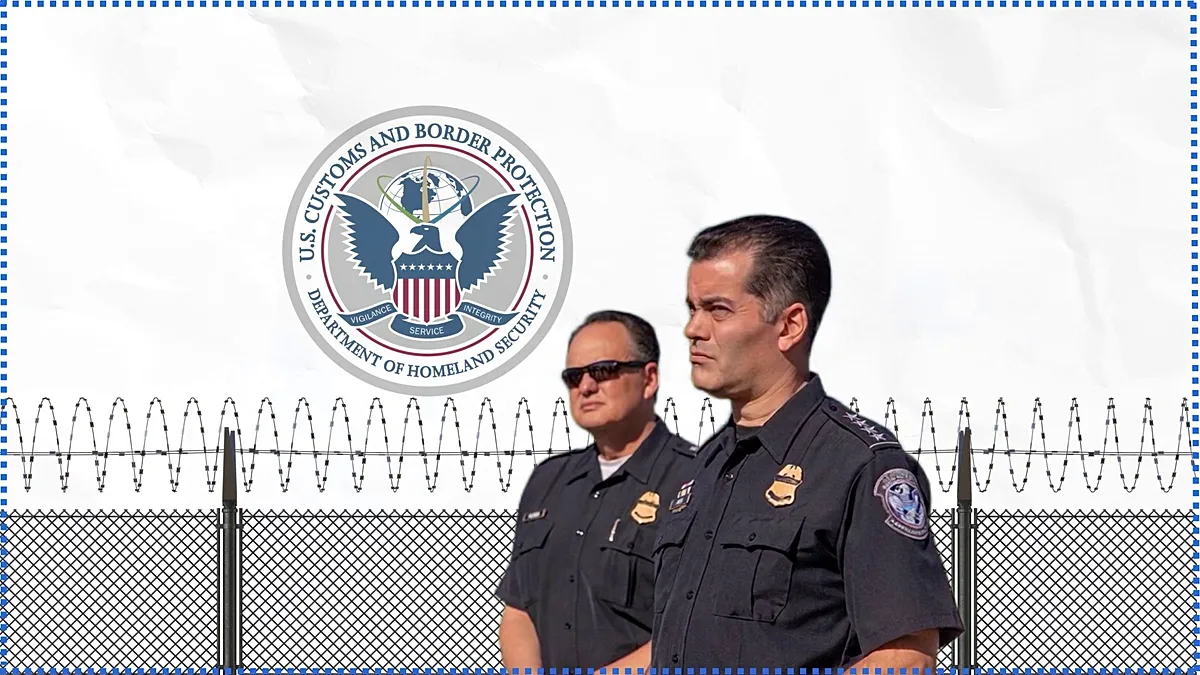
The U.S. political climate has introduced a new layer of complexity to the World Cup. Immigration policies have tightened, with four nations—Iran, Somalia, Iraq, and Venezuela—subject to strict travel bans. These restrictions have not only impacted fans but also disrupted logistical operations, as seen in the case of Somalia’s top referee, who was detained for 11 hours before being deported. Similarly, Iraq’s star striker faced a seven-hour hold in Chicago, while the Iranian team is training in Tijuana due to visa rejections affecting 15 staff members. These incidents highlight the unintended consequences of border policies on international sporting events.
“The king of soccer,”
Donald Trump’s moniker for Infantino encapsulates the deep entanglement of sports and politics in this tournament. As the World Cup progresses, the opening week has already revealed how national borders and immigration controls are reshaping the global spectacle. While the U.S. remains a hub for international sports, the current political climate has created a paradox: a nation eager to showcase its global reach but simultaneously restricting movement for key participants. This tension has sparked debates about whether the World Cup can serve as a unifying force in a divided America.
Global Impact and Local Challenges
The World Cup’s troubles extend beyond the U.S., as the political environment affects international collaboration. With closed borders and increased scrutiny, teams from affected countries must navigate logistical hurdles to participate fully. This has led to delays, missed opportunities for fan engagement, and a potential reduction in the tournament’s cultural impact. FIFA’s reliance on American audiences to drive global interest has been tested, forcing the organization to adapt its strategies in real time to mitigate fallout.
Public Reaction and Media Scrutiny
As the tournament unfolds, public opinion has become a focal point for both celebration and criticism. While many fans appreciate the event’s grandeur, others are questioning FIFA’s decision to host in the U.S. during a politically charged period. Media coverage has intensified, with reports highlighting the contrast between the World Cup’s mission of unity and the reality of divided borders. This scrutiny has added pressure on Infantino to balance diplomatic relations and the tournament’s success, turning every match into a platform for broader political discourse.
“Watch: Empty seats and closed borders?”
The phrase “Watch: Empty seats and closed borders?” has become a recurring theme in discussions about the World Cup’s challenges. Fans from affected nations are struggling to attend matches, leading to empty stands and a diminished atmosphere for some games. Meanwhile, the tournament’s organizers are working tirelessly to address these issues, seeking partnerships and compromises to ensure the event remains a symbol of global solidarity. As the World Cup progresses, the question of whether it can overcome these obstacles will shape its legacy as much as the games themselves.