Stickers, shirts and beer: 2026 World Cup could earn Portugal up to €945 million
Stickers, Shirts, and Beer: Portugal Could Earn €945M from 2026 World Cup Stickers shirts and beer - Portugal may benefit significantly from the 2026 FIFA

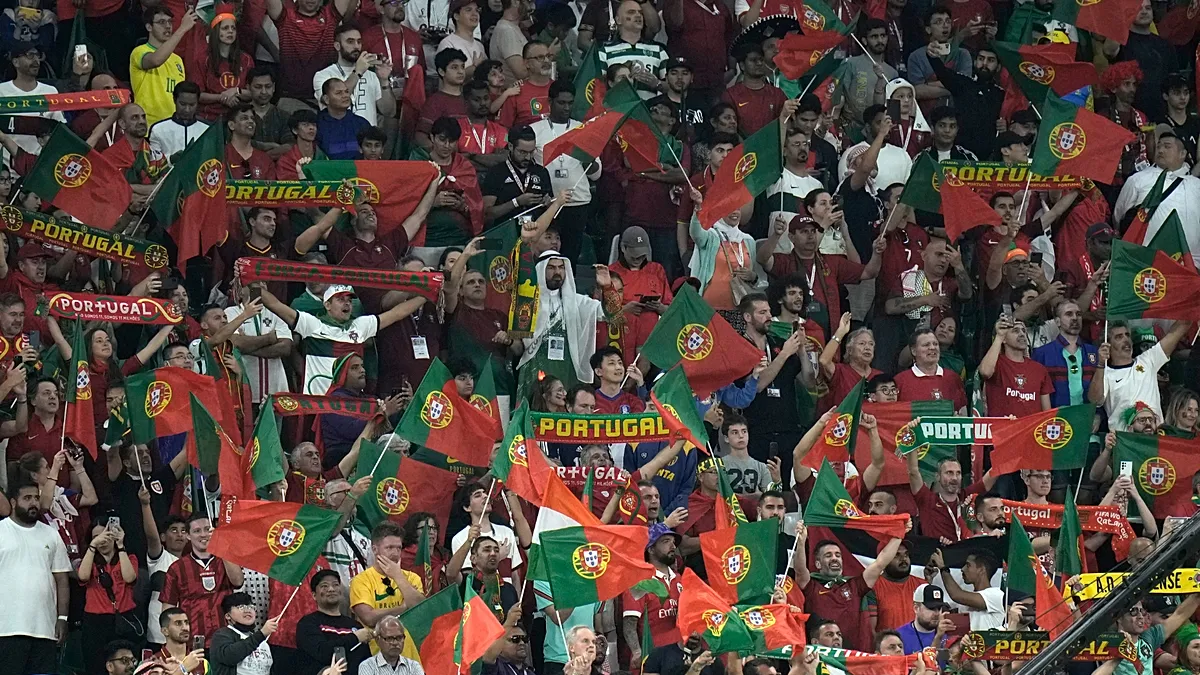
Stickers, Shirts, and Beer: Portugal Could Earn €945M from 2026 World Cup
Poinews.com – Portugal may benefit significantly from the 2026 FIFA World Cup, even without hosting the event, according to a report by the Portuguese Institute of Marketing Administration (IPAM). The study forecasts that the tournament could generate between €378 million and €945 million in economic value, depending on the national team’s performance. If Portugal advances to the last 16, the estimated revenue would be around €561 million, while a victory could bring in up to €945 million. This potential financial boost stems from global fan engagement, with stickers, shirts, and beer becoming key drivers of consumer spending and brand exposure.
Global Reach and Digital Influence
The IPAM report highlights how the World Cup’s economic impact has shifted from local markets to a global scale. Unlike previous tournaments, the 2026 edition, hosted in the U.S., Canada, and Mexico, leverages digital platforms and international fan networks to maximize returns. This means that Portugal, as a participating nation, can still capitalize on the event through merchandise sales, social media interactions, and the emotional connection fans form with their national team. The phrase “stickers shirts and beer” encapsulates the blend of physical and digital consumption that defines this new era of football economics.
Consumer Behavior and Market Dynamics
The research underscores the evolving nature of football fandom, where consumer behavior is no longer confined to stadium attendance. The study breaks down revenue sources into categories such as household spending, advertising, and digital engagement. For instance, the sale of team-branded apparel, including shirts, and the popularity of collectible items like stickers are projected to contribute significantly to Portugal’s earnings. Additionally, beer sales tied to the tournament’s global popularity could further amplify the country’s financial gains. This diversified revenue model ensures that even non-host nations can benefit from the World Cup’s economic ripple effects.
Economic Breakdown and Revenue Streams
The IPAM analysis identifies four main pillars of the World Cup’s economic impact: consumer spending, digital platforms, tournament format, and fan engagement. Portugal’s maximum potential revenue of €945 million includes contributions from food and beverage sales, particularly beer, which is often a staple of football events. The expanded tournament format—104 matches across three nations—creates opportunities for brands to reach a wider audience. The report also emphasizes that casual fans, who may spend €40 to €70 on merchandise, and highly engaged digital followers, who can invest up to €3,500 in tickets, content, or memorabilia, will play a crucial role in shaping the economic outcome.
“Portugal’s ability to generate €945 million from the 2026 World Cup reflects the tournament’s growing reliance on global fan networks,” noted Daniel Sá, IPAM’s executive director. “The focus keyword stickers shirts and beer is not just about physical products but also about how fans, both local and international, create value through their interactions with the event.”
Comparative Insights and Future Implications
When compared to the 2016 Euro championship, which Portugal hosted and generated €609 million in revenue, the 2026 World Cup’s projected maximum earnings of €945 million represent a notable increase. This growth is attributed to the tournament’s larger scale, combined with the rise of digital marketing and the broader consumer base. For IPAM, the findings are also strategic, as they prepare to co-host the 2030 World Cup. The institute suggests that brands and public authorities must adapt to this new model by focusing on real-time engagement and integrating traditional media with streaming platforms.
While travel-related spending accounts for only 4% of the projected revenue, the World Cup’s U.S. base means Portugal’s indirect gains could still be substantial. The study further notes that the event’s digital footprint—via social media, streaming services, and user-generated content—will be a major factor in its overall economic success. This indicates that the phrase stickers shirts and beer is not only a cultural touchstone but also a measurable economic indicator for nations participating in the global football phenomenon.