New France-Ireland ferry revives Boulogne’s international links
New France-Ireland Ferry Revives Boulogne's International Links New France Ireland ferry revives Boulogne - On June 12, 2026, the launch of a new ferry

New France-Ireland Ferry Revives Boulogne’s International Links
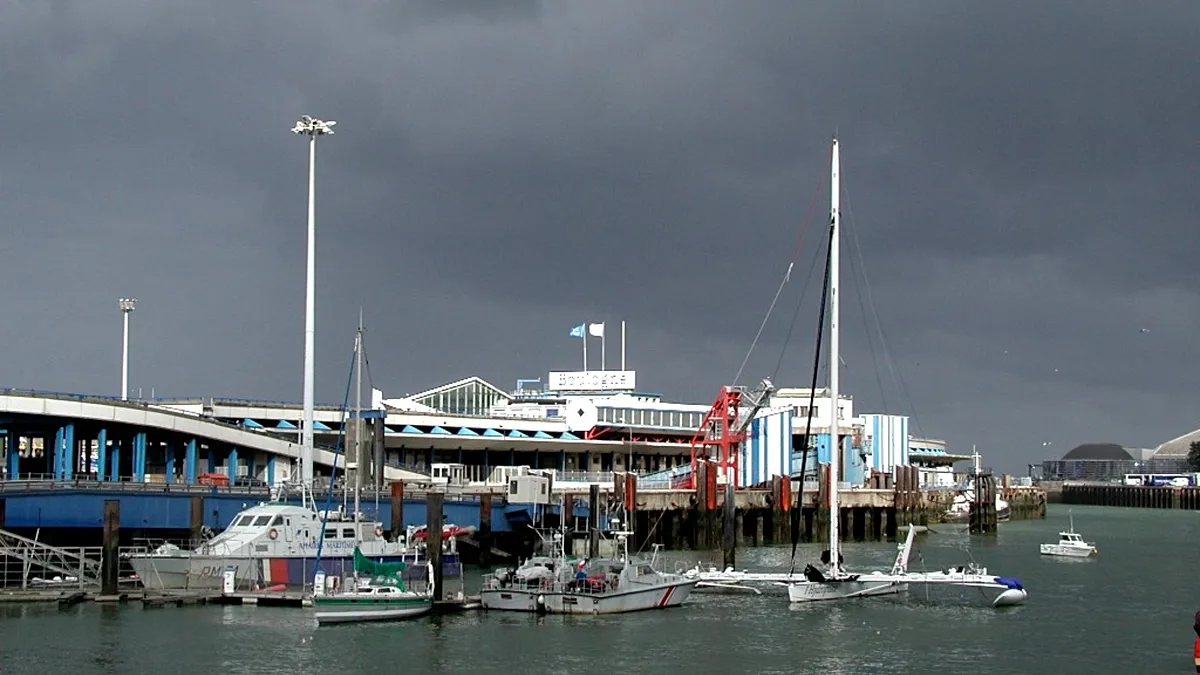
Poinews.com – On June 12, 2026, the launch of a new ferry service between France and Ireland marked a pivotal moment for Boulogne-sur-Mer, rekindling its long-dormant international connections. This service, dubbed the “New France Ireland ferry revives” initiative, reconnects the coastal port with Cork, Ireland, after a 15-year gap. The service is operated by Hibernia Line, a well-established maritime company, and is designed to facilitate both passenger and freight travel, offering an alternative to traditional routes that pass through the UK. This development not only strengthens the economic ties between the two nations but also presents travelers with a fresh option for cross-border mobility, aligning with growing interest in direct transatlantic travel links.
The Operational Details and Strategic Importance
The ferry service operates on a six-times-daily schedule from Monday to Saturday, with departures from Cork at 21:00 GMT and from Boulogne-sur-Mer at 22:00 GMT. The journey, which typically spans 21 hours, will extend to 24 hours for Saturday departures, accommodating the needs of travelers with varied time constraints. This schedule reflects the strategic importance of the route in the region’s transportation landscape, as it caters to both leisure and business travelers. The service is particularly significant in the context of post-Brexit Europe, where the reliance on UK ports has prompted a shift toward alternative routes to streamline cross-border logistics and enhance trade efficiency.
“This service represents a significant milestone, the result of years of effort and collaboration to establish a new transatlantic route from Boulogne-sur-Mer to Ireland,” wrote the mayor of Boulogne-sur-Mer, Frédéric Cuvillier, on his Facebook page. His statement underscores the collective anticipation for this revival, which promises to invigorate the local economy and reposition Boulogne as a key maritime hub.
Enhancing Travel and Trade with Advanced Ferry Technology
The two vessels, named *St Patrick* and *Akka*, are equipped with modern facilities to ensure comfort and efficiency for passengers. Each ferry can carry up to 600 travelers and accommodate 130 freight units, making it a versatile option for both personal and commercial use. This capacity is a boon for the region, as it allows for a more streamlined flow of goods and people between Boulogne-sur-Mer and Ireland. The service also introduces a foot passenger option starting July 1, a development that highlights its role in promoting tourism and reinforcing the cultural and economic bonds between the two countries. For Boulogne, this initiative represents more than just a transportation upgrade—it is a step toward reestablishing its status as a gateway to international markets.
Non-EU citizens arriving at Boulogne-sur-Mer will now need to comply with the Entry/Exit System (EES), a requirement that applies to Ireland despite its EU membership. The EES ensures secure border management, which is especially relevant for travelers from non-Schengen countries. This detail, however, has not deterred demand for the route. In fact, the service has generated considerable interest, with many citing the need to avoid UK ports as a key factor in their decision to use this new option. The New France Ireland ferry revives has become a symbol of adaptability in the face of evolving geopolitical and logistical challenges, offering a practical solution for those seeking reliable international connectivity.
Historical Context and Regional Impact
Boulogne-sur-Mer, a historic port city on the English Channel, has long been a focal point for international trade and travel. However, the closure of its ferry services to Ireland in 2011 left the city reliant on other ports for cross-border connections. The New France Ireland ferry revives marks the first time the port has restored direct links to the Emerald Isle, a development that has been eagerly awaited by locals and businesses alike. The route’s revival is part of a broader effort to diversify transportation networks in the region, reducing dependency on single points of access and enhancing resilience in global supply chains.
Experts suggest that the New France Ireland ferry revives could have a lasting impact on both economies. For Boulogne, the service opens doors to new markets, while for Ireland, it provides an alternative route to continental Europe. This connection is expected to bolster trade in goods such as agricultural products, manufactured items, and perishables, which often face delays through UK ports. Additionally, the ferry service is anticipated to stimulate local tourism, with visitors drawn to Boulogne’s cultural heritage, historic architecture, and proximity to the French countryside. The initiative has already sparked discussions about expanding the service to other destinations in the future.
Looking Ahead: Future Prospects and Challenges
As the New France Ireland ferry revives gains traction, stakeholders are optimistic about its long-term success. The service’s operators, Hibernia Line, have expressed confidence in its potential to become a regular feature of the regional transportation network. However, challenges remain, including the need to maintain consistent demand and ensure smooth integration with existing infrastructure. With the right investments and strategic planning, the ferry service could evolve into a cornerstone of cross-border mobility, offering seamless travel for a growing number of passengers and freight operators.
The launch of the New France Ireland ferry revives also highlights the importance of international collaboration in overcoming logistical hurdles. By forging partnerships between French and Irish authorities, the service demonstrates how shared goals can drive innovation in maritime transport. As the world continues to adapt to new economic and political realities, such initiatives will play a crucial role in maintaining global connectivity. The renewed route is not only a testament to Boulogne-sur-Mer’s resilience but also a beacon of hope for the future of international travel and trade in the region.