Would you pay €50 to visit Venice? New mayor is pushing for entry fee hike
Would You Pay €50 to Visit Venice? New Mayor Proposes Entry Fee Hike Would you pay 50 to visit - Would you pay €50 to visit Venice?

Would You Pay €50 to Visit Venice? New Mayor Proposes Entry Fee Hike
Poinews.com – Would you pay €50 to visit Venice? The city is facing a major shift in its tourism strategy as the newly appointed mayor, Simone Venturini, has unveiled plans to increase entry fees for certain high-traffic days. This proposal comes as a response to the growing challenges of overtourism, which have strained Venice’s infrastructure, environment, and local communities. The fee hike, set at €50 per day, targets casual visitors who arrive without prior reservations, aiming to reduce the number of last-minute tourists and ease congestion in iconic landmarks like St. Mark’s Basilica and the Grand Canal.
The Rationale Behind the Proposed Fee Hike
Venice’s current entry fee structure—€5 for advance bookings and €10 for walk-in visitors—has proven insufficient in curbing the city’s overcrowding, according to recent data. The first 42 days of the trial revealed that only 245,503 of 514,710 visitors chose the lower €5 rate, while 268,207 opted for the higher price. This discrepancy highlights the need for a more aggressive approach to managing visitor numbers. The mayor’s proposal is part of a broader initiative to implement variable pricing, with higher charges during peak hours—8:30 a.m. to 4:00 p.m.—on days when the city sees the most foot traffic, such as weekends and holidays.
“The numbers are a problem,” said Michele Zuin, Venice’s budget councillor. “The €5 and €10 difference isn’t enough to discourage people. If it were more drastic, the impact would be clearer.” Zuin’s comments underscore the urgency of the situation, as Venice continues to grapple with its status as one of the world’s most visited cities. The new fee is expected to be tested over 60 days across April, May, June, and July, with the hope that it will create a stronger incentive for tourists to plan ahead and spread out their visits.
Industry Perspectives and Public Concerns
Industry leaders have mixed reactions to the proposed €50 fee. Daniele Minotto, head of Venice’s Association of Hoteliers (AVA), believes the increase is a necessary step. “Venturini’s proposal is welcome. This could lead to a way to apply the fee as an incentive/disincentive for the most problematic days,” he remarked. Minotto also noted that the €50 rate isn’t excessive compared to tickets at global archaeological sites, which often charge similar amounts during peak seasons. However, some worry that the fee might deter budget-conscious travelers, potentially affecting the city’s economy.
Local residents have expressed both support and apprehension. While they recognize the need to protect Venice from over-tourism, concerns remain about the financial burden on everyday visitors. “If this money increases, we will invest it to counter the financial strain caused by visitors,” Zuin said, adding that the city plans to use the additional revenue to fund public services and support local businesses. The mayor also emphasized that the fee will be the third and final year of the trial, with a decision on its long-term implementation expected after the summer.
Implementation Details and Enforcement Measures
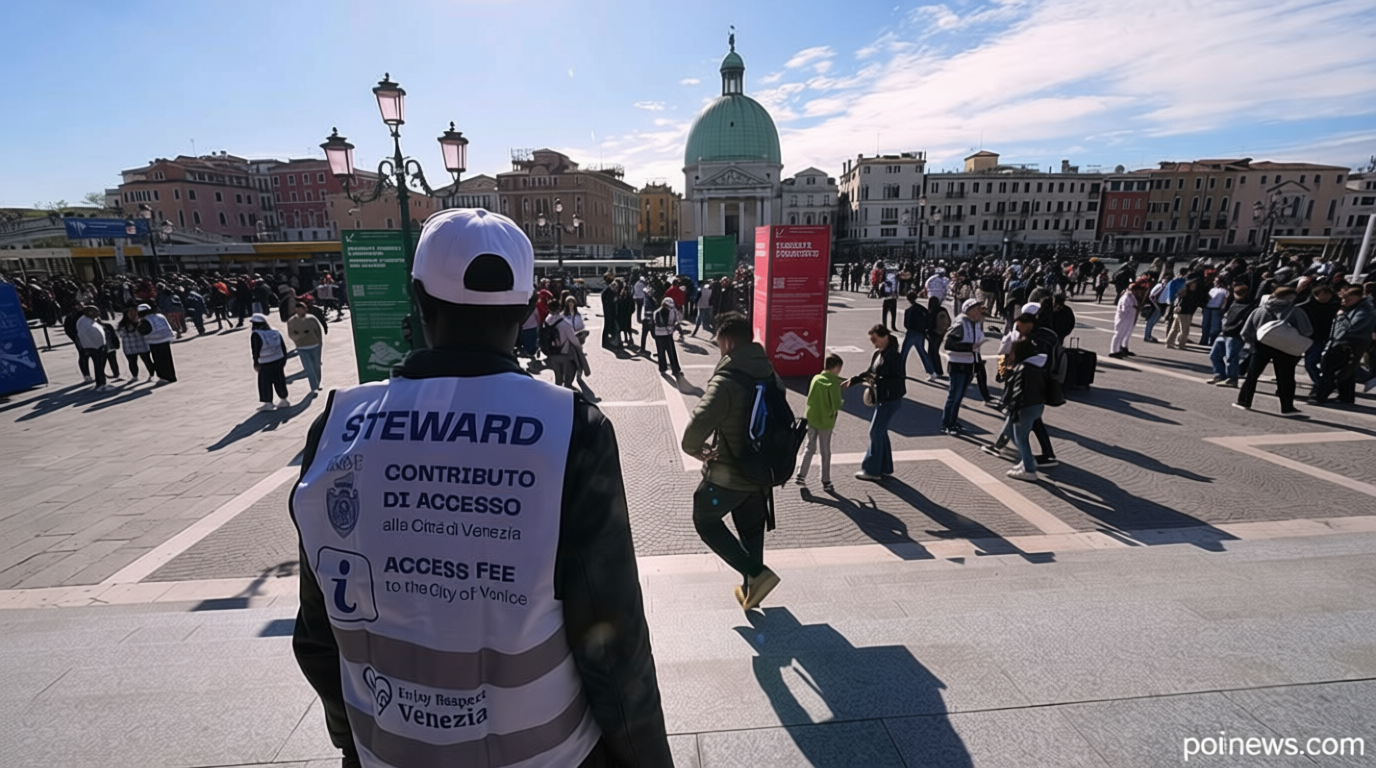
Under the new system, visitors can reserve their day through a dedicated platform to avoid the higher €50 charge. The fee applies specifically during peak hours, but it’s unclear yet whether it will extend to all high-traffic days or only a select number. Exemptions will be granted to residents, Venetian-born visitors, students, workers, and those with hotel or accommodation bookings, ensuring the policy doesn’t disproportionately affect locals. Enforcement will rely on staff checking QR codes at key locations, including the Santa Lucia railway station and popular tourist spots. Non-compliant visitors could face fines ranging from €50 to €300, adding a layer of accountability for those who arrive without prior plans.
While the proposal is still in its trial phase, its potential impact on Venice’s tourism industry is significant. The city has already seen a surge in visitors, with over 514,710 people participating in the first 42 days of the program. The €50 fee could reshape visitor behavior, encouraging more thoughtful planning and reducing the strain on Venice’s historic sites. However, the success of the policy will depend on how effectively it balances economic interests with the city’s preservation goals. As the trial continues, the mayor and local authorities will monitor the results to determine whether the fee should be expanded or adjusted for future seasons.