‘We need to talk about this,’ Kallas-Israel spat draws mixed reactions from EU leaders
Kallas-Israel Spat Sparks Mixed EU Reactions We need to talk about this - At the recent European Council summit in Brussels, a heated exchange between the

Kallas-Israel Spat Sparks Mixed EU Reactions
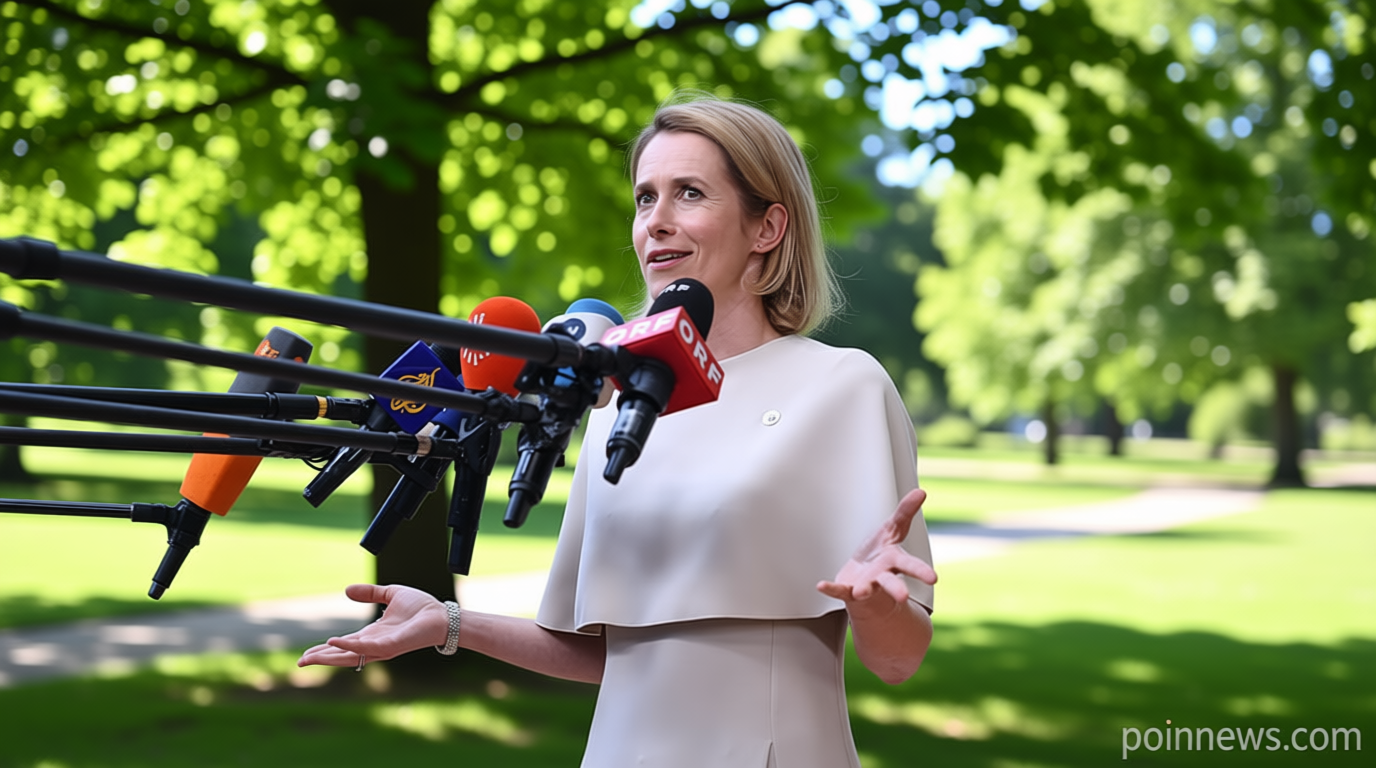
Poinews.com – At the recent European Council summit in Brussels, a heated exchange between the bloc’s chief diplomat, Kaja Kallas, and Israeli officials over her remarks comparing the Jewish state to apartheid-era South Africa has stirred up controversy. The focus keyword “We need to talk about this” has become central to the debate, as Kallas’s alleged comments—made during a visit to Mexico last month—prompted a range of responses from EU leaders. While some members of the European Parliament and diplomats supported her stance, others accused her of undermining the EU’s relationship with Israel. The dispute has not only raised questions about Kallas’s leadership but also highlighted the growing divergence in how European nations view the Israeli-Palestinian conflict.
EU Officials Divided on the Issue
The controversy intensified when Israeli Foreign Minister Gideon Sa’ar publicly called for a temporary halt in diplomatic ties with Kallas until she retracts her “blood libel” against Israel. In contrast, German Chancellor Friedrich Merz took a more measured approach, stating,
“We need to talk about this at some point, but I don’t share this characterisation at all.”
His comments underscored Germany’s cautious stance, balancing its historical ties with Israel against its growing concerns about human rights. Meanwhile, Slovenian Prime Minister Janez Janša questioned the validity of the apartheid analogy, suggesting that while the EU should remain critical, the comparison might be overstated. This divergence in perspectives reflects the broader challenge of maintaining unity in a bloc with diverse political priorities.
Irish Prime Minister Micheál Martin, known for his vocal criticism of Israel, defended Kallas’s remarks, declaring,
“It’s unacceptable. Kaja Kallas is the High Representative of the European Union.”
He argued that the EU must not shy away from addressing systemic issues, even if it risks friction with Israeli leaders. Kallas, however, has remained noncommittal, using her platform to advocate for continued dialogue and engagement with Israel. Her refusal to confirm or deny the allegations has left many wondering whether the dispute is a strategic move to strengthen the EU’s position or a genuine policy shift.
EU Unity Under Threat
The disagreement has exposed deep fractures within the EU, particularly between states that prioritize diplomatic engagement with Israel and those that are more inclined to challenge its policies. A senior EU diplomat, speaking off the record, remarked,
“We should support Kallas,”
highlighting the internal debate over whether to condemn her remarks outright or allow them to be part of a broader critique. This tension is further amplified by the EU’s recent decisions on trade restrictions and the association agreement with Israel, which has been a contentious issue among member states.
The current association agreement, signed in 2019, remains in force despite calls from twenty EU nations to suspend it due to Israel’s settlement expansion in occupied territories. Germany and Italy, key members of the Council of the EU, have blocked the suspension, citing the need for a qualified majority. This decision has drawn criticism from some quarters, with analysts arguing that it weakens the EU’s ability to apply pressure on Israel. Kallas’s comments, therefore, are seen as both a symptom and a catalyst for this broader political divide.
As the summit concludes, the dispute over Kallas’s remarks has taken on new significance. The focus keyword “We need to talk about this” now resonates across European capitals, with leaders urging clarity on the implications of her statements. Some see the spat as an opportunity to reevaluate the EU’s approach to the Israeli-Palestinian conflict, while others fear it could derail years of progress in diplomatic relations. The situation also raises questions about the role of the High Representative in shaping EU foreign policy and the extent to which national interests can override collective goals.
Broader Implications for EU-Israel Relations
The debate surrounding Kallas’s remarks has broader implications for the EU’s stance on Israel. With the bloc divided on how to address the country’s policies, the spat has reignited discussions about the EU’s commitment to a two-state solution and its willingness to criticize Israel’s actions. Estonian Prime Minister Kristen Michal, who has consistently emphasized the EU’s role as Israel’s key ally, stated,
“I hope this will be resolved between friends.”
His remarks reflect the delicate balance between solidarity and criticism, a theme that has defined EU-Israel relations in recent years.
Analysts note that the dispute may influence future negotiations, particularly in areas such as trade, security, and human rights. Kallas’s position could either strengthen the EU’s credibility as a mediator or cast doubt on its ability to maintain consistent policy. Additionally, the controversy has drawn attention to the internal dynamics of the European Commission, where reports suggest potential reforms within the diplomatic department may further shift the EU’s approach to Israel. These reforms, if implemented, could signal a more assertive stance on the country’s treatment of Palestinians, adding another layer of complexity to the ongoing debate.