Washington plans to slash fighter jets and warships to NATO in Europe, US media report
Washington to Cut Fighter Jets and Warships for NATO in Europe, US Report Washington plans to slash fighter jets - Washington is poised to significantly

Washington to Cut Fighter Jets and Warships for NATO in Europe, US Report
Poinews.com – Washington is poised to significantly reduce its military support for NATO’s European allies, with a particular focus on fighter jets and warships. According to US media reports, the Pentagon aims to slash its deep strike capabilities, including long-range bombers and naval assets, as part of a strategic shift in global defense priorities. This decision reflects a broader effort to recalibrate America’s military presence and resource allocation, emphasizing regions such as Asia and the Pacific over traditional commitments in Europe.
Scope of the Pentagon’s Military Adjustments
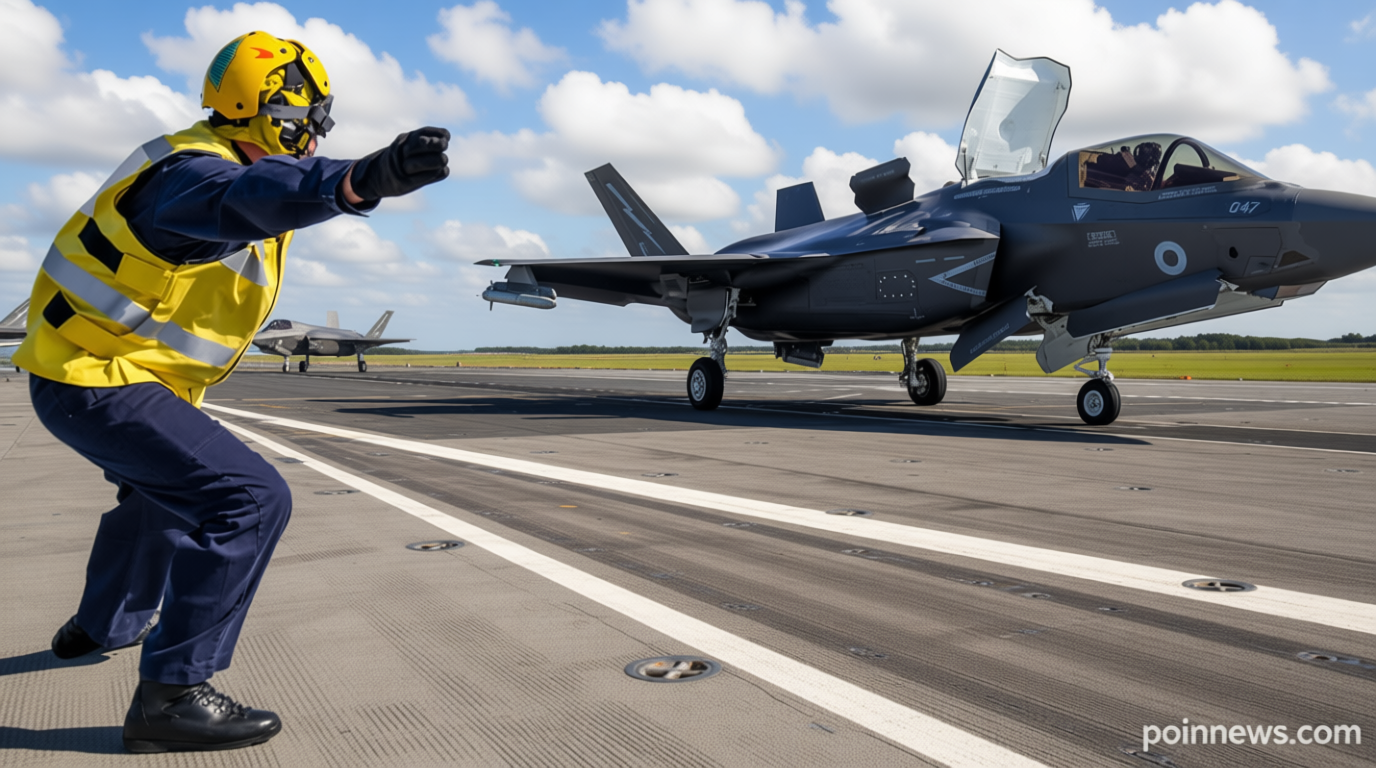
The proposed cuts target key components of the US military’s contribution to NATO’s collective defense. Reports indicate that fighter jets, such as the F-16 and F-15E models, will be reduced from approximately 150 to 100 units stationed in Europe. Additionally, maritime reconnaissance aircraft will see a decrease from 26 to 15, and all eight aerial refueling tankers currently deployed in the region will be withdrawn. These reductions are expected to streamline operations and free up resources for other strategic initiatives, according to defense analysts.
Naval assets, including missile-launching submarines and aircraft carriers, are also under consideration for scaling back. This move is seen as a response to evolving geopolitical dynamics, where the US seeks to concentrate its naval power in the Indo-Pacific to counter China’s rising influence. While the exact timeline and implementation details remain unclear, the Pentagon has signaled that this adjustment is a deliberate, long-term strategy rather than an abrupt withdrawal.
Implications for NATO’s Defense Strategy
The changes align with NATO’s Force Model, which evaluates the distribution of military capabilities based on deterrence requirements and threat assessments. By reducing its fighter jet and warship contributions, the US aims to ensure that NATO remains capable of meeting its defense goals without overburdening American resources. However, some European allies have expressed concern over the potential impact on the alliance’s readiness and response time in critical scenarios.
Despite these concerns, NATO officials have acknowledged the need for a more balanced approach. With European members increasing their defense spending and modernizing their forces, the alliance is adapting to a new era where shared responsibility is becoming more pronounced. The US European Command has stated that the cuts will not compromise NATO’s overall strength, as European allies are expected to fill the gap through their own military investments and capabilities.
Geopolitical Context and Strategic Rationale
The decision to scale back European military assets comes amid a shift in US foreign policy priorities. With growing tensions in the Middle East and the Indo-Pacific, the administration has emphasized the importance of maintaining a strong presence in regions deemed more critical to American interests. The reduction in fighter jets and warships to NATO is part of this realignment, which seeks to ensure that the US can respond effectively to emerging threats in other parts of the world.
Analysts suggest that the move is also a reflection of the US’s desire to reduce its financial burden on European allies. By trimming its military contributions, Washington can redirect funds toward domestic priorities and other global hotspots, such as the South China Sea or the Korean Peninsula. This strategy has sparked debates about the long-term implications for NATO’s cohesion and the reliability of its collective defense commitments.
Historical and Current Tensions in US-NATO Relations
“We will remember how countries like Spain, Italy, and France refused to let US planes use their airspace,” declared President Trump in March. “Without the U.S.A., NATO IS A PAPER TIGER!” He added, “COWARDS,” highlighting his frustration over allies’ reluctance to support the US in its military actions against Iran.
While Trump’s rhetoric underscores the political challenges of maintaining NATO’s unity, the current administration appears to be adopting a more pragmatic approach. The focus keyword “Washington plans to slash fighter” is now more integrated into the narrative, reflecting the administration’s commitment to modernizing its military posture. This shift has prompted discussions among NATO members about the need to strengthen their own capabilities to sustain the alliance’s effectiveness in the face of reduced US support.
Future Outlook and Alliance Adaptation
As the Pentagon finalizes its plans, the impact on NATO’s operational readiness will depend on how quickly European allies can adapt. Some nations are already investing in advanced defense systems and increasing their contributions to the alliance’s budget. This development may ease concerns about the potential reduction in US military assets, as it signals a growing sense of responsibility among European members.
The proposed cuts also highlight the importance of strategic communication within the alliance. While the US has outlined its plan to “slash fighter jets and warships,” it is crucial that NATO members understand the rationale behind these reductions. By emphasizing the need for a more flexible and efficient defense posture, the administration aims to secure continued support from its allies while maintaining the alliance’s credibility on the global stage.