Why travellers are swapping Europe’s capitals for these lesser-known ‘second cities’
Why travellers are swapping Europe’s capitals for these hidden second cities Why travellers are swapping Europe s capitals - Travel trends are shifting as

Why travellers are swapping Europe’s capitals for these hidden second cities
Poinews.com – Travel trends are shifting as more adventurers turn their attention away from Europe’s most famous capitals and toward lesser-known cities offering unique experiences. A recent report by WorldHotels highlights this growing preference, with travelers increasingly seeking authenticity over crowds. These second cities, often overlooked in favor of major urban centers, now provide a more tranquil and culturally rich alternative. Their charm lies in a mix of historical depth, natural beauty, and artistic flair, making them perfect for those craving a different kind of European escape.
Arnhem: A Hidden Gem of Nature and Design
Near the German border, Arnhem emerges as a prime example of Europe’s underrated cities. While Amsterdam steals the spotlight with its canals and museums, Arnhem offers a quieter, more immersive experience. The city is a haven for outdoor lovers, with its sprawling green spaces and scenic trails providing a stark contrast to the urban hustle. WorldHotels notes that Arnhem’s unique blend of nature and creativity has made it a top choice for travelers looking to swap Europe’s capitals for a more relaxed ambiance.
“Arnhem stands out as a place where culture and nature feel unusually close together,” said WorldHotels.
Visitors to Arnhem can explore the Modekwartier district, which is home to over 60 design studios and boutiques open in the evenings. This vibrant area, with its mix of contemporary art and historic architecture, invites a leisurely pace. For a serene retreat, the Hotel Haarhuis—founded in 1918—offers a blend of old-world charm and modern comforts, including three dining options, a city spa, and easy access to public transport. Its location ensures that travelers can enjoy both the city’s cultural offerings and its proximity to nature without sacrificing convenience.
Gouda: A Medieval Paradise with Sweet Temptations
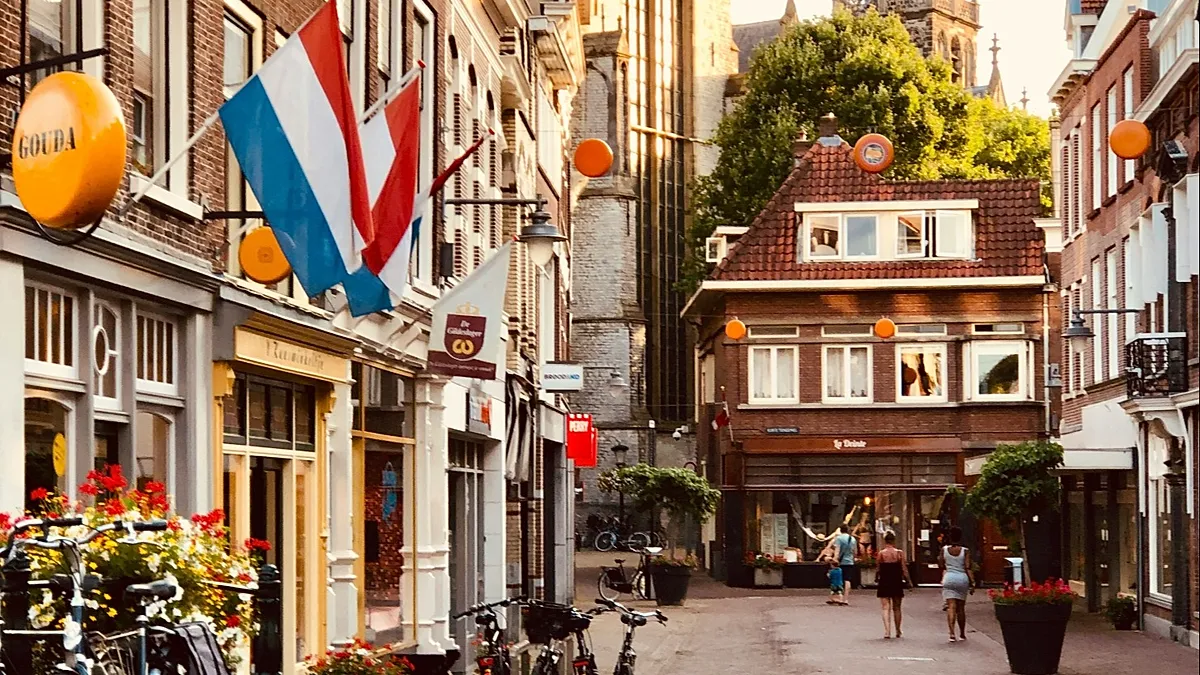
Located between Rotterdam and Utrecht, Gouda is a city where the past and present coexist seamlessly. While Brussels and Paris dominate headlines, Gouda’s medieval streets and centuries-old trading houses offer a slower, more personal journey through history. Its charm is further enhanced by the Gouda Cheese Market, an annual event that runs from April to August, allowing visitors to engage with local artisans and savor the region’s famous dairy products.
“Gouda is becoming a favorite among those who seek an intimate and walkable European experience,” remarked WorldHotels.
Staying at the City Hotel Gouda, situated near the historic Gouwe River, provides an ideal base for exploring the city’s cultural and historical treasures. The hotel’s cozy setting complements Gouda’s relaxed atmosphere, making it a top recommendation for travelers prioritizing comfort and connection. The city’s blend of medieval architecture and modern amenities ensures that visitors can enjoy both old-world elegance and contemporary conveniences without the noise of Europe’s capitals.
Kortrijk: A Village with Capital Ambitions
In Belgium, Kortrijk presents an intriguing alternative to Brussels. This Flemish city seamlessly merges the vibrancy of a larger metropolis with the charm of a small village. Its historical landmarks, such as the Broel Towers—constructed in 1385 to regulate traffic on the Leie River—offer a glimpse into the region’s rich heritage. The towers, now a cultural hub, are a key attraction for those eager to explore Europe’s lesser-known gems.
“Kortrijk’s unique mix of history and accessibility makes it a standout in Belgium’s travel scene,” added WorldHotels.
For a sweet journey, the Chocolate Trail is a must-visit. This immersive route, featuring stops at Vandenbulcke—a chocolatier established in 1949—takes travelers from raw cacao beans to decadent truffles, showcasing Belgium’s reputation as a confectionery powerhouse. The Hotel Damier, one of the oldest in the region, is ideally located near the Great Market Square, offering easy access to the city’s cultural and commercial centers while preserving its historical essence.
As travelers continue to favor the “Why travellers are swapping Europe’s capitals” trend, these cities are proving to be more than just substitutes—they’re redefining the European travel experience. With fewer tourists, deeper cultural connections, and a more personal pace, they cater to those seeking meaningful exploration over mere sightseeing. Whether it’s Arnhem’s design scene, Gouda’s medieval charm, or Kortrijk’s historical allure, each destination offers a distinct narrative that resonates with modern wanderers.
Europe’s second cities are no longer just off-the-beaten-path options—they’re becoming the go-to choice for savvy travelers. Their appeal lies in a combination of local character, accessibility, and a slower tempo, allowing visitors to savor every moment. By choosing these hidden spots, travelers can escape the over-visited capitals and discover a Europe that feels more authentic and welcoming. As the demand for unique experiences grows, these cities are set to play a pivotal role in shaping the future of European tourism.