How the ‘Attenborough effect’ is driving a surging interest in Rwanda’s gorilla tourism
The Attenborough Effect Drives Rwanda’s Gorilla Tourism Surge How the Attenborough effect is driving - Rwanda’s gorilla tourism has experienced a remarkable

The Attenborough Effect Drives Rwanda’s Gorilla Tourism Surge
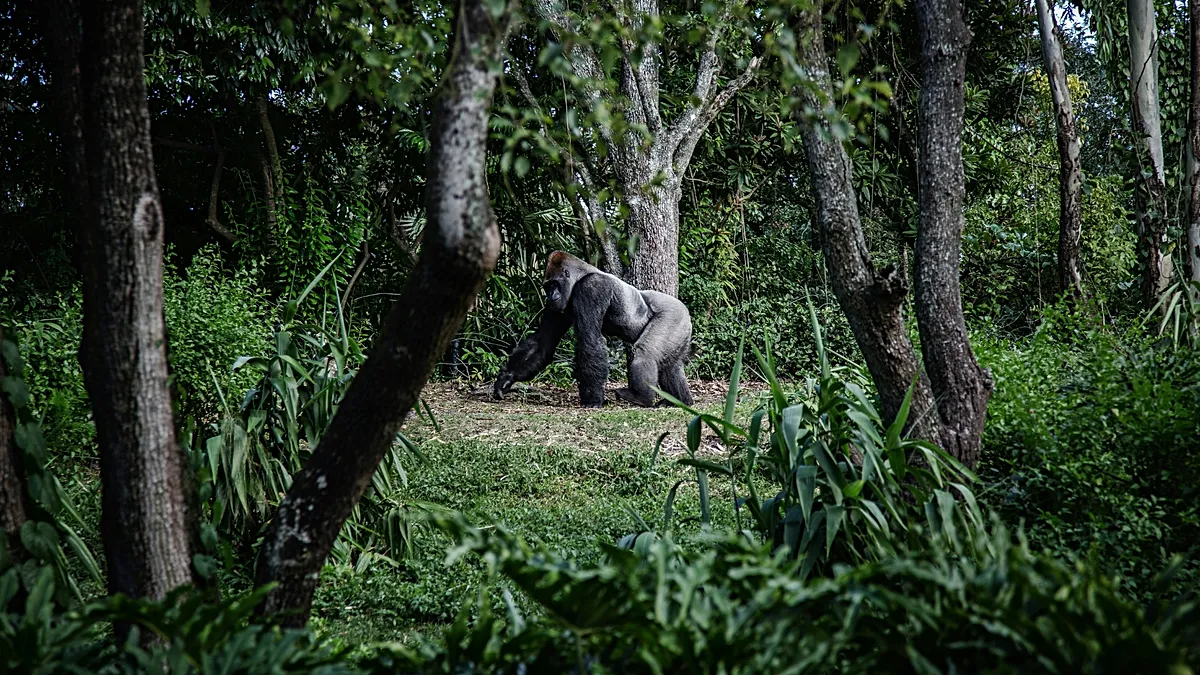
Poinews.com – Rwanda’s gorilla tourism has experienced a remarkable upswing, largely fueled by the influence of the “Attenborough effect”—a term describing the surge in eco-conscious travel inspired by nature documentaries. The phenomenon gained traction in 2026 with the release of David Attenborough’s documentary “A Gorilla Story,” which highlighted the lives of mountain gorillas in Rwanda’s Volcanoes National Park. Unlike previous instances of the effect, such as the global outcry over plastic pollution after *Blue Planet II* in 2017, Rwanda’s model emphasizes not just awareness but sustainable access to its iconic wildlife. This approach has created a unique blend of conservation and tourism, drawing attention to the region’s natural wonders while safeguarding its ecosystems.
Sustainable Access Through Controlled Permits
Rwanda’s strategy for gorilla tourism is built on strict management to ensure long-term preservation. The country limits daily permits to 100, with each costing $1,500 (€1,300), a price point that filters out casual visitors and prioritizes those committed to the experience. This cap on access allows for a more intimate encounter with the gorillas, reducing human impact on their habitat. Unlike other African wildlife destinations, where permits may be issued on a day-to-day basis, Rwanda’s system requires advance booking and adheres to a one-hour visit duration per group. Only eight travelers can accompany a single gorilla family, creating a balance between visitor engagement and environmental protection.
“The Attenborough effect is driving a new wave of travelers who are not just seeking a photo opportunity, but a deeper connection with nature,” said Lydia Eva Mpanga, founder of Nkuringo Safaris. “In Rwanda, the permit system ensures that demand remains steady and that the gorillas are not overexposed to human activity.”
Mpanga’s insights underscore a shift in traveler priorities. While the initial appeal of the documentary sparked interest, the logistics of securing permits—such as booking months in advance and aligning travel with the optimal season—have transformed the experience into a well-planned, high-value adventure. This structure also benefits local communities, as the revenue from permits is reinvested into conservation efforts and infrastructure development, making Rwanda’s model a blueprint for sustainable tourism.
The Attenborough Effect and Consumer Behavior
The documentary’s impact extends beyond mere awareness, reshaping how travelers engage with gorilla trekking. According to Mpanga, about 50% of guests now opt to visit multiple times, a trend that reflects a growing desire for immersive, meaningful experiences. This statistic highlights how the Attenborough effect is driving not just numbers, but a change in mindset—travelers are prioritizing quality over quantity, often extending their stays to fully appreciate the unique opportunities Rwanda offers. The one-hour limit per visit, combined with the exclusivity of the permit system, has encouraged a more thoughtful approach to wildlife interaction.
“The Attenborough effect is driving a surge in Rwanda’s gorilla tourism by making conservation a personal priority for travelers,” Mpanga added. “They’re not just visiting for the spectacle; they’re investing time, money, and effort to ensure their trip aligns with ecological values.”
This shift has also influenced the broader travel industry, with operators and lodges adapting to meet the demand. Rwanda’s approach, which combines the narrative power of nature documentaries with strict conservation policies, has set a precedent for how eco-tourism can thrive while maintaining ecological integrity. The country’s success in managing gorilla tourism serves as a case study for other destinations aiming to balance visitor numbers with environmental protection.
Ecological and Economic Impact
Rwanda’s model has proven effective in both ecological and economic terms. By limiting access, the country has maintained a stable gorilla population, with the species growing in numbers due to protected habitats and anti-poaching measures. The revenue generated from permits and related tourism activities has also contributed to the local economy, creating jobs and funding conservation projects. This synergy between nature and tourism has positioned Rwanda as a leader in sustainable travel, attracting eco-conscious travelers from around the world. The Attenborough effect is driving a rise in Rwanda’s gorilla tourism by aligning the public’s fascination with wildlife with actionable support for conservation.
Moreover, the documentary’s global reach has amplified Rwanda’s brand as an eco-friendly destination. The nation’s commitment to sustainability—seen in its permit system, lodge practices, and community involvement—resonates with modern travelers who seek responsible travel options. The Attenborough effect is driving not only increased interest in Rwanda’s gorillas but also a broader appreciation for the country’s conservation efforts. This has led to partnerships between tourism operators and local conservation groups, further enhancing the visitor experience while ensuring the gorillas’ future.
“The Attenborough effect is driving a cultural shift in tourism, where visitors are more informed and more invested in the preservation of the natural world,” Mpanga noted. “Rwanda’s success lies in its ability to make conservation a tangible part of the travel journey.”
Global Lessons from Rwanda’s Model
Rwanda’s approach to gorilla tourism offers valuable lessons for other wildlife destinations. By integrating the Attenborough effect into its strategy, the country has demonstrated how storytelling can drive sustainable tourism. The documentary’s portrayal of Pablo, a mountain gorilla observed by Attenborough in 1978, has sparked a deeper emotional connection with viewers, translating into tangible support for conservation. This model has not only preserved Rwanda’s gorilla population but also created a unique market for high-end, eco-conscious travel. As the Attenborough effect continues to shape global interest, Rwanda’s success highlights the importance of balancing accessibility with preservation to ensure long-term ecological and economic benefits.
While the Attenborough effect is driving a surge in Rwanda’s gorilla tourism, the nation’s framework ensures that this growth remains sustainable. The combination of high fees, limited permits, and community-driven conservation has set a standard for responsible travel. As the world becomes more aware of the need to protect biodiversity, Rwanda’s example shows how the Attenborough effect can translate into real-world impact, fostering a deeper respect for nature and a more intentional approach to tourism. This strategy is not just about numbers; it’s about creating a lasting legacy for Rwanda’s gorillas and the environment they call home.