Moscow strike on Kyiv-Pechersk Lavra ‘one of Russia’s most serious crimes against Christian culture’
ting Attack on Christian Culture Moscow strike on Kyiv Pechersk Lavra - The recent Moscow strike on Kyiv Pechersk Lavra has been labeled as one of Russia’s

Moscow Strike on Kyiv Pechersk Lavra: A Devastating Attack on Christian Culture
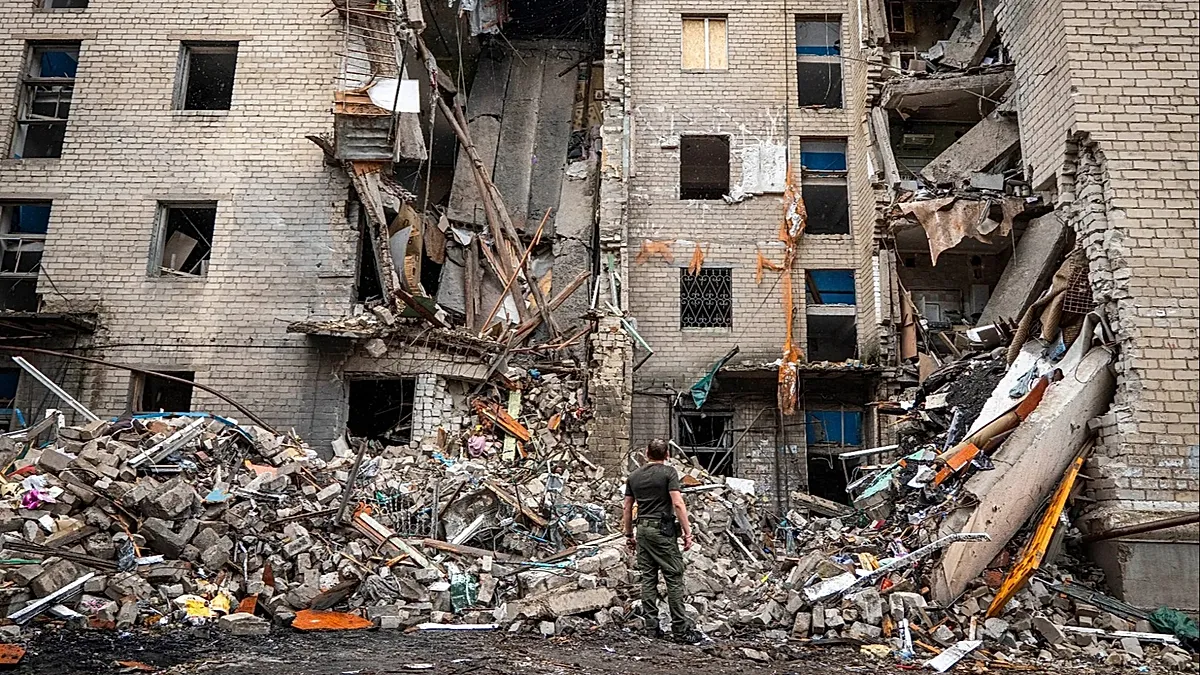
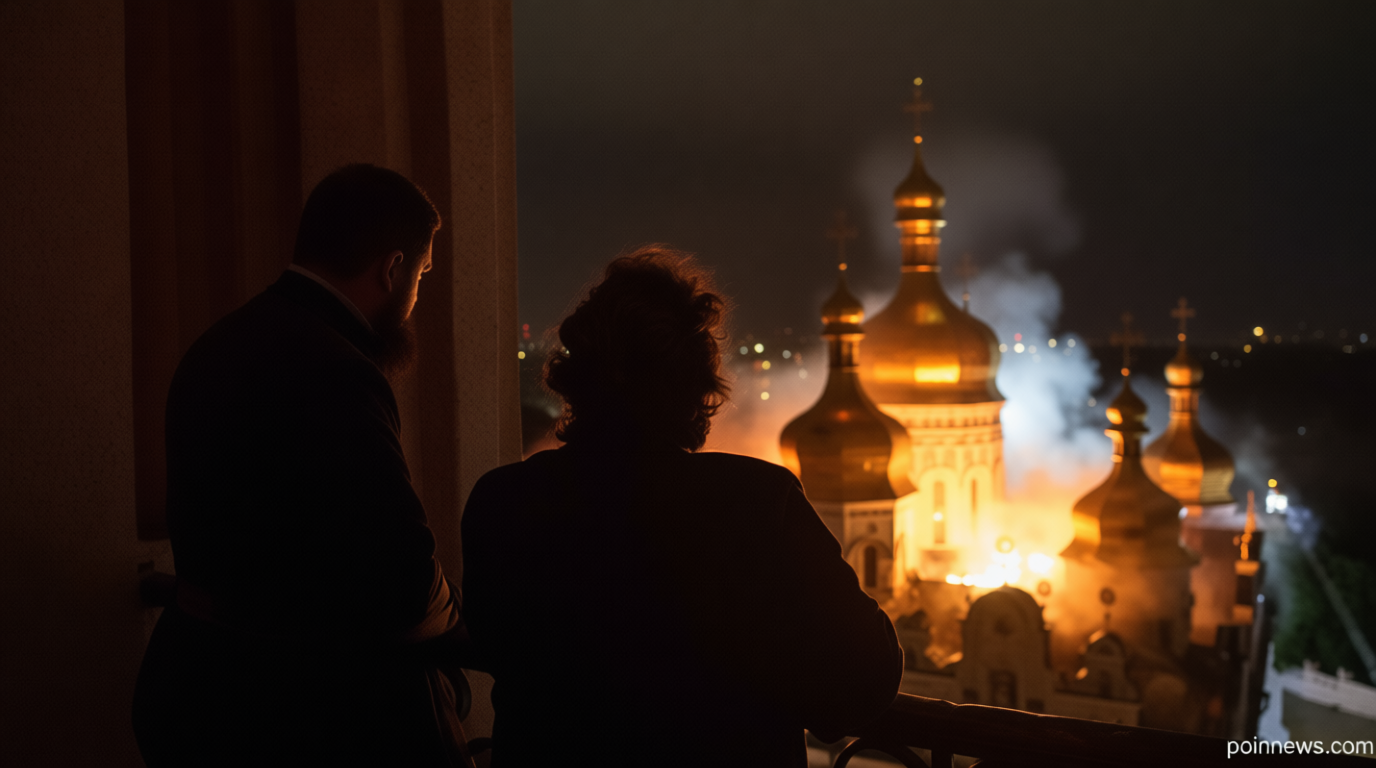
Poinews.com – The recent Moscow strike on Kyiv Pechersk Lavra has been labeled as one of Russia’s most severe crimes against Christian culture. On Monday, explosions rocked the capital, sending flames into the air and capturing global attention as the UNESCO-recognized site faced destruction. For Ukrainians displaced across the country, including thousands who sought refuge in Kyiv’s metro system, the sight of the historic monastic complex under siege was both heartbreaking and symbolic. President Volodymyr Zelenskyy described the attack as a “critical act of Russian aggression,” emphasizing its impact on the preservation of Christian heritage in Ukraine.
A Cultural Landmark Under Threat
The Kyiv Pechersk Lavra, a sprawling network of monasteries and churches, is more than just a religious site—it is a cornerstone of Ukrainian history. Its origins trace back to the 11th century, during the Kyivan Rus’ era, and it has stood as a spiritual and cultural beacon for centuries. The attack, which targeted the Dormition Cathedral, has drawn widespread condemnation, with leaders and experts alike calling it a deliberate effort to erase Ukraine’s identity. “This is not just an attack on a building,” said Metropolitan Epiphanius, the head of the Orthodox Church of Ukraine. “It’s an assault on the soul of our nation.”
“The destruction of the Kyiv Pechersk Lavra represents a calculated strike against our historical and cultural continuity,” emphasized Oleksandra Matviichuk, a Nobel Peace Prize laureate and human rights advocate. “Russia’s choice to target this site, which was built long before Moscow had any claim over it, is a clear message: they aim to rewrite the narrative of Eastern Europe.”
As rescue teams worked to save relics and artifacts, the global community rallied in support. French Foreign Minister Jean-Noel Barrot compared the attack to the 2019 Notre Dame bombing, while President Emmanuel Macron called it a “major blow to our universal heritage.” The Lavra’s UNESCO status, awarded in 1990, underscores its international significance, making the strike a focal point for discussions on cultural preservation during Russia’s ongoing conflict with Ukraine.
The Aftermath and Calls for Action
Following the attack, officials and religious leaders united in their outrage. Prime Minister Yuliia Svyrydenko stated that the strike was a “crime against humanity, history, and Christianity,” urging prayers for the site’s recovery. “This sacred place is not just a monument—it is a living testament to our faith and national pride,” she added. The incident has intensified calls for increased support for Ukraine’s air defense systems, with Zelenskyy insisting that the G7 nations must respond decisively to protect such cultural treasures.
“The use of a drone to strike the Lavra highlights the precision and intent behind this attack,” noted Foreign Minister Andrii Sybiha. “We are working closely with UNESCO and international bodies to ensure this act is recognized as a major cultural loss and to secure long-term protection for the site.”
With the destruction of the Lavra’s roof and the risk of further damage, the urgency to preserve the site has grown. Experts warn that the attack could set a precedent for future strikes on religious landmarks, signaling Russia’s broader strategy to diminish Ukraine’s Christian legacy. The site’s ancient caves, which span over 600 meters, are particularly vulnerable, as they house centuries-old icons and manuscripts that hold immense historical value.
As the world watches the damage unfold, the Kyiv Pechersk Lavra remains a powerful symbol of resilience. Despite the assault, the site continues to draw pilgrims and visitors, its enduring presence a reminder of Ukraine’s deep-rooted Christian traditions. The attack, however, has cast a long shadow over its future, with leaders and activists vowing to fight for its restoration and to hold Russia accountable for its actions. The preservation of this heritage is not just a local concern—it is a global imperative.