European Parliament lifts immunity of Italian MEP embroiled in Huawei corruption scandal
European Parliament Lifts Immunity of Italian MEP in Huawei Corruption Scandal European Parliament lifts immunity of Italian - The European Parliament has

European Parliament Lifts Immunity of Italian MEP in Huawei Corruption Scandal
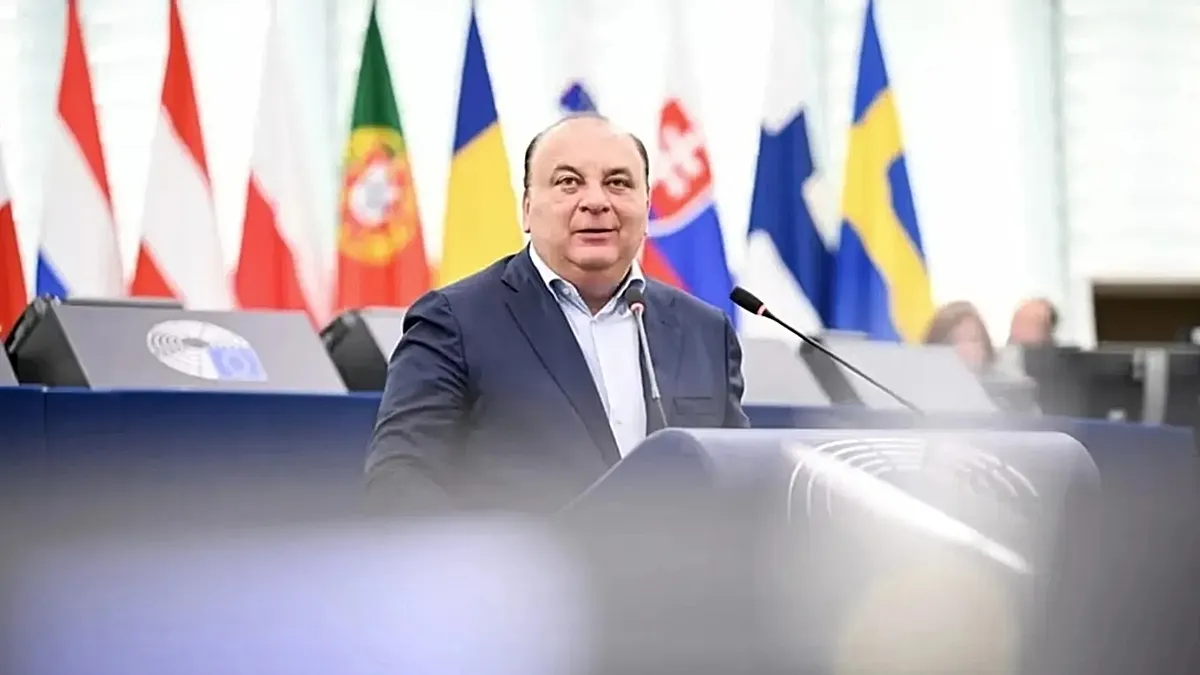
Poinews.com – The European Parliament has taken a significant step by lifting the immunity of Italian Member of the European Parliament (MEP) Fulvio Martusciello, who is at the center of a corruption investigation linked to Huawei. This decision follows growing concerns over his alleged involvement in a scheme to influence EU decision-making through bribes. The removal of his immunity allows Belgian prosecutors to pursue legal action against him, marking a pivotal moment in the ongoing probe into Huawei’s political ties. With the Parliament’s support, the case has opened the door for deeper scrutiny of how foreign entities may have shaped European policy through financial incentives.
MEP Allegedly Promoted Huawei-Friendly 5G Policy
Martusciello, a prominent member of the European People’s Party (EPP), is accused of participating in a 2021 letter that urged the EU Commission to delay a ban on 5G devices from Chinese tech giant Huawei. While the letter did not explicitly name Huawei, prosecutors argue its language was crafted to align EU policies with the company’s interests. The document, signed by eight MEPs, highlighted national security concerns as a rationale for keeping Huawei in the EU’s supply chain, despite widespread fears of espionage. This alleged collaboration with Huawei lobbyists has intensified calls for transparency in EU policymaking.
Valerio Ottati, a key Huawei lobbyist, is said to have orchestrated the scheme by funneling funds to MEPs in exchange for their support. The investigation suggests that these financial transactions were not limited to one-time donations but were part of a broader strategy to secure long-term influence over critical decisions. Martusciello’s role in this network has drawn particular attention, as his parliamentary votes and speeches were reportedly shaped by these inducements. The case underscores the challenge of balancing economic interests with political integrity in the European Union.
Immunity Removal and Legal Implications
The European Parliament’s decision to strip Martusciello of immunity was a direct response to mounting evidence of his involvement in the Huawei-linked corruption case. The vote, which saw 344 MEPs in favor, 234 against, and 25 abstentions, signifies a shift toward holding politicians accountable for alleged misconduct. This move has set a precedent, as it allows Belgian authorities to proceed with formal charges against him, potentially leading to fines, imprisonment, or other penalties. The case also highlights the EU’s growing willingness to confront corruption allegations within its own ranks.
Immunity removal is a critical tool in legal investigations, as it enables prosecutors to take action without fearing retaliation from their political peers. In Martusciello’s case, this decision came after extensive scrutiny of his activities during the 5G debate. The investigation has revealed that his actions were not isolated but part of a coordinated effort to promote Huawei’s interests. This has raised questions about the extent of foreign influence in EU decision-making and the need for stricter oversight mechanisms to prevent such scenarios.
Broader Impact on EU Policy and Huawei’s Influence
The European Parliament’s action has reignited debates about Huawei’s role in shaping EU policies. The 5G issue has been a focal point of these discussions, with some MEPs arguing that Huawei’s technology is essential for Europe’s digital infrastructure. Others, however, have warned that the company’s lobbying efforts could compromise national security. Martusciello’s case has added a layer of complexity to these arguments, as it suggests that political decisions may have been influenced by financial motives rather than objective analysis.
Analysts note that the removal of immunity from Martusciello could have ripple effects across the EU. It may encourage other MEPs to face similar investigations, particularly those with ties to Huawei or other foreign firms. The case also reflects the EU’s internal struggles between economic pragmatism and geopolitical caution. As the probe continues, it will be crucial to determine whether Huawei’s influence extends beyond individual MEPs to the broader political landscape. This could ultimately shape how the EU approaches future technology partnerships and regulatory frameworks.
“I have never received either promises or pressure to sign the letter. I may have seen Valerio Ottati in my life. He constantly invited MEPs to events, including high-level gatherings with ministers and authorities. I never attended any of them, nor did anyone from my delegation,” Martusciello stated previously to Euronews.
Belgian Prosecutors Target Political Influence Networks
Belgian authorities have been at the forefront of the Huawei corruption investigation, alleging that the company orchestrated a network to bribe MEPs and sway EU policies. The probe began with searches at Huawei’s Brussels office and the European Parliament’s premises, uncovering evidence of financial transactions linked to the 5G debate. Five individuals were charged in the initial phase, but the focus has now shifted to the MEPs involved in the alleged scheme. Martusciello’s immunity removal has amplified the case, as it allows prosecutors to pursue charges against him without the protection of parliamentary status.
The investigation has also highlighted the role of football matches and other social events in fostering relationships between Huawei lobbyists and MEPs. These gatherings, often framed as informal networking opportunities, are now under scrutiny as potential venues for corruption. The case has sparked discussions about the need for stricter conflict-of-interest rules for EU officials. As the European Parliament continues to process the evidence, the implications for future legislation and political accountability will likely be far-reaching.