Kyiv seeks license to produce Patriot systems for Ukraine and Europe
Kyiv Seeks License to Produce Patriot Systems for Ukraine and Europe Kyiv seeks license to produce Patriot - Ukraine’s capital, Kyiv, has intensified its

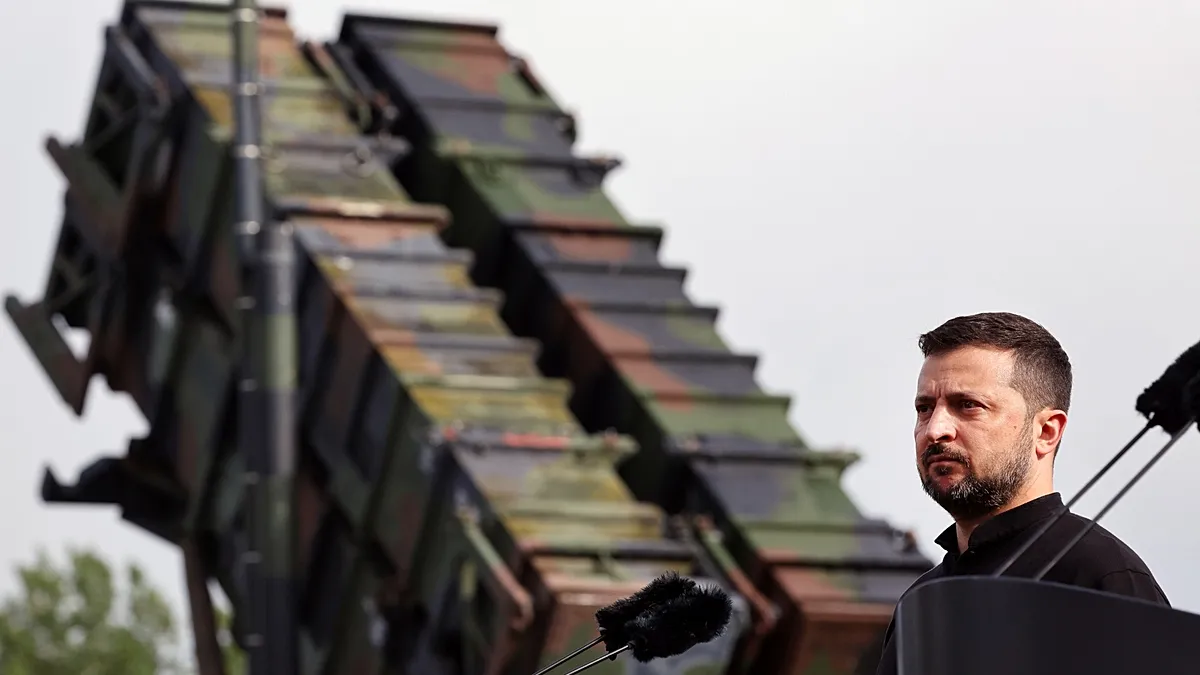
Table of Contents
Kyiv Seeks License to Produce Patriot Systems for Ukraine and Europe
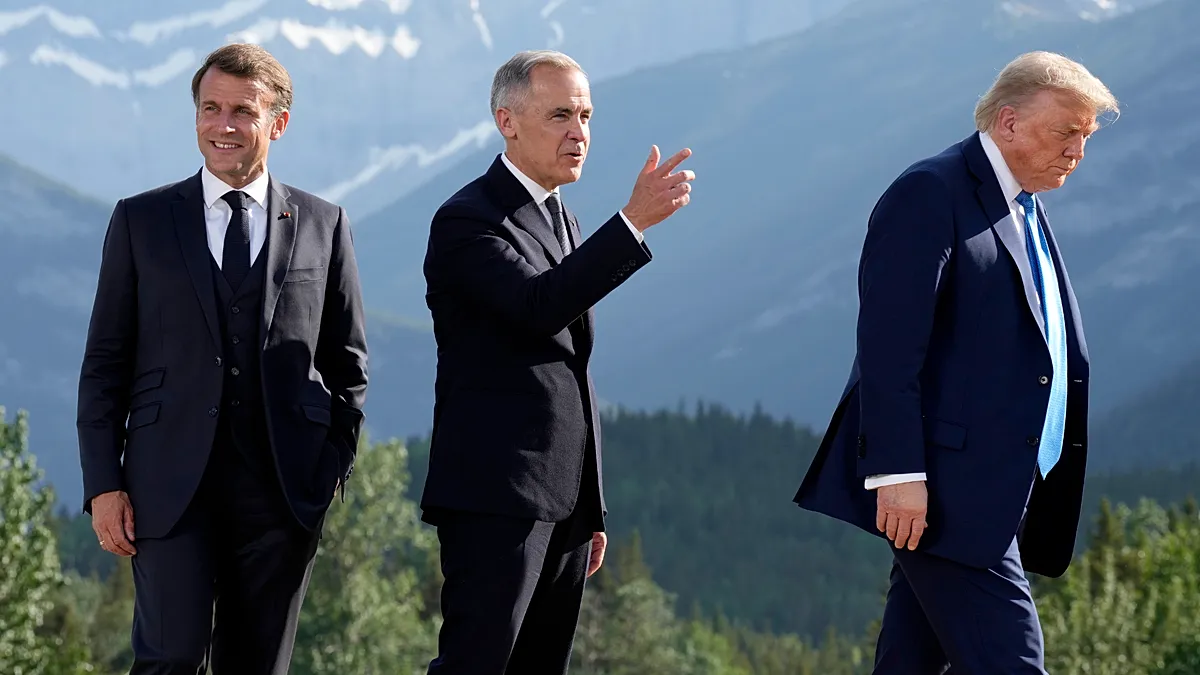
Poinews.com – Ukraine’s capital, Kyiv, has intensified its efforts to secure production licenses for the U.S.-made Patriot missile defense system, aiming to bolster its air defense capabilities both domestically and for export to European allies. During the recent G7 summit, Ukrainian President Volodymyr Zelenskyy underscored the critical need for these systems as part of a broader strategy to counter Russian aggression. He emphasized that the conflict, now in its third year, has exposed vulnerabilities in Ukraine’s defense infrastructure, particularly in the face of escalating missile threats. Zelenskyy’s call for license agreements reflects Kyiv’s desire to reduce dependency on foreign suppliers and ensure a steady supply of Patriot systems for its own forces and those of neighboring nations.
Strategic Moves and G7 Support
“Everyone sees that there is no desire on Russia’s part to end this – that it is playing games, that it is Putin who does not want to end it. But he must be forced to do so,” Zelenskyy stated in a voice message shared via his presidential WhatsApp channel.
The G7 leaders, recognizing the urgency of the situation, have aligned with Kyiv’s request. Zelenskyy highlighted that the alliance’s collective focus on strengthening air defenses has become a cornerstone of their discussions. His remarks underscore the growing consensus that the Patriot system is indispensable in deterring further Russian attacks. By securing production licenses, Kyiv hopes to establish a domestic manufacturing base, which would not only accelerate the delivery of systems to Ukraine but also enable the country to supply them to other European nations facing similar security challenges.
Production Challenges and Supply Constraints
Despite Kyiv’s proactive approach, the production of Patriot systems faces significant hurdles. The U.S. has been a primary supplier of these advanced interceptors, but recent geopolitical tensions, particularly the U.S.-Israel conflict with Iran, have strained interceptor stockpiles. According to reports, the war in the Gulf has consumed nearly a third of the available Patriot interceptors, with Gulf states alone using over 1,100 in the past several months. This has created a bottleneck in the supply chain, as Lockheed Martin, the U.S. defense contractor responsible for Patriot production, struggles to meet the heightened demand from Ukraine and its allies. Zelenskyy’s team has been working closely with the U.S. government to address this issue. During the G7 summit, the president reiterated his request to Trump for a license agreement, stating that the U.S. leader had already expressed support. “I discussed with Trump the transfer of licenses for the production of these systems,” he confirmed, noting that the decision would allow Kyiv to manufacture interceptors independently. This move could significantly enhance Ukraine’s capacity to defend itself while also supporting the broader NATO and EU efforts to secure regional stability.
The Patriot system remains Ukraine’s most effective tool against Russian ballistic missiles, which have become a dominant threat since the invasion began. With Russia launching approximately 120 missiles per night, the current production rate of 60–65 interceptors monthly has proven insufficient to maintain a defensive edge. Kyiv’s push to produce these systems locally is part of a larger initiative to diversify its defense manufacturing capabilities and reduce reliance on external logistics. This would not only ensure a more reliable supply chain but also allow Ukraine to scale production to meet the growing demand from Europe, where nations like Poland, Romania, and the Czech Republic have shown interest in acquiring the system.
Domestic Expertise and Regional Impact
Ukraine’s ability to adapt and innovate has already demonstrated its prowess in air defense. While the country has relied heavily on U.S.-supplied interceptors, its domestic production of anti-drone systems and other defensive technologies has earned international recognition. For instance, Ukrainian forces have successfully intercepted over 90% of Russian drones launched in hundreds each night, a feat achieved through a combination of homegrown weapons and tactical ingenuity. This capability has positioned Ukraine as a potential supplier of air defense systems to other regions, including the Middle East, where the demand for such technology has surged. Zelenskyy highlighted the strategic importance of these advancements during the summit. He noted that Ukraine’s leadership in counter-drone operations has drawn the attention of global partners, including Canada. The G7 has been evaluating collaboration opportunities, with Kyiv poised to finalize a major agreement that would further integrate its defense capabilities into European security frameworks. Such partnerships could pave the way for a more robust defense network across the continent, leveraging Ukraine’s experience and expertise in missile interception.
The implications of Kyiv’s license request extend beyond immediate military needs. By establishing a domestic production line for Patriot systems, the country could solidify its role as a key player in European defense. This would not only strengthen Ukraine’s own military posture but also contribute to the collective security of NATO members and other allies. The U.S. has already signaled its willingness to support this initiative, as Trump’s positive response during the summit suggests. However, the success of this plan will depend on overcoming logistical and technical challenges, including the training of Ukrainian personnel and the establishment of appropriate manufacturing facilities. As the conflict continues, the need for a reliable and scalable defense system becomes more pressing. Kyiv’s pursuit of license agreements for the Patriot system is a strategic move that aligns with its long-term goal of self-sufficiency in military production. This initiative also highlights the evolving dynamics of international arms trade, where countries like Ukraine are not only receiving equipment but also becoming capable of producing and exporting it. With the support of the G7 and the U.S., Kyiv is on the cusp of achieving a critical milestone in its defense modernization efforts.
In addition to securing production licenses, Kyiv’s strategy includes leveraging existing technologies and partnerships to expand its capabilities. The country has already demonstrated its ability to modify and deploy systems like the Stinger and other air defense platforms, suggesting that a domestic Patriot production line could be achieved relatively quickly. This would allow Ukraine to meet its own needs while also serving as a bridge for other European nations seeking to bolster their defenses. The G7’s endorsement of Kyiv’s request signals a growing acknowledgment of the country’s contributions to regional security and its potential to play a larger role in future defense collaborations. With the war showing no signs of slowing, the importance of Kyiv’s efforts to secure the Patriot system cannot be overstated. The license agreement would enable Ukraine to maintain a consistent supply of interceptors, even if geopolitical tensions disrupt U.S. production. It would also provide a blueprint for other nations to develop their own defense manufacturing industries, fostering greater resilience in the face of global conflicts. As the G7 continues to prioritize Ukraine’s security, the next steps in licensing negotiations will be crucial in determining the country’s ability to defend itself and its allies in the coming years.