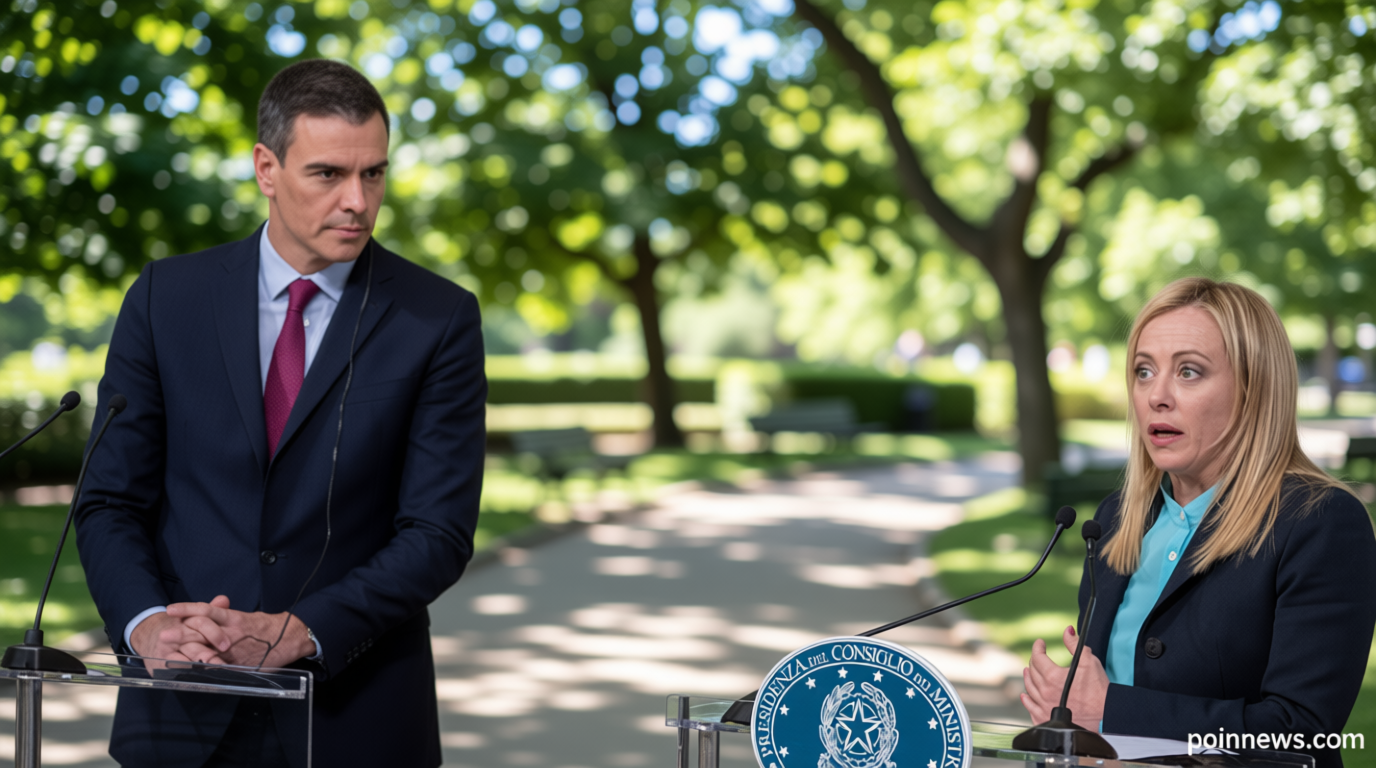
Germany reportedly prepping to take part in Strait of Hormuz safeguarding mission
cipate in Mission Safeguarding Strait of Hormuz Germany reportedly prepping to take part in a critical international effort to secure the Strait of Hormuz, a

Germany Set to Participate in Mission Safeguarding Strait of Hormuz
Poinews.com – Germany reportedly prepping to take part in a critical international effort to secure the Strait of Hormuz, a vital waterway for global energy shipments. According to Der Spiegel, the German government is actively finalizing plans to deploy its military forces as part of a coordinated operation aimed at ensuring unimpeded maritime traffic through this strategic chokepoint. The move comes amid escalating tensions in the region, with the foreign ministry and defense department having recently submitted a detailed proposal to the Bundestag for review. While the outline has been approved, Chancellor Friedrich Merz of the Christian Democratic Union (CDU) has clarified that the decision is not yet final, highlighting the ongoing deliberations within the cabinet.
Legal and Strategic Considerations
As Germany reportedly prepping to take part in the mission, the legal framework for its involvement remains a key point of discussion. Merz noted that while the UN Security Council’s March resolution offers a potential basis for the operation, its applicability is still under scrutiny. The resolution, which grants states the right to defend vessels and safeguard international waterways, has been cited by officials as a justification for collective action. However, some analysts argue that the resolution’s wording may not fully address the complexities of a prolonged mission, especially with the involvement of multiple nations.
“The Strait of Hormuz is not just a regional issue; it’s a matter of global energy security,” Der Spiegel emphasized, drawing attention to the waterway’s role in transporting over 20% of the world’s oil supply. The ongoing US-Iran conflict has intensified the need for a unified response, with France and the UK leading separate initiatives to clear mines and protect shipping lanes. Germany’s potential participation could strengthen this coalition, offering both naval and logistical support to the region’s fragile stability.
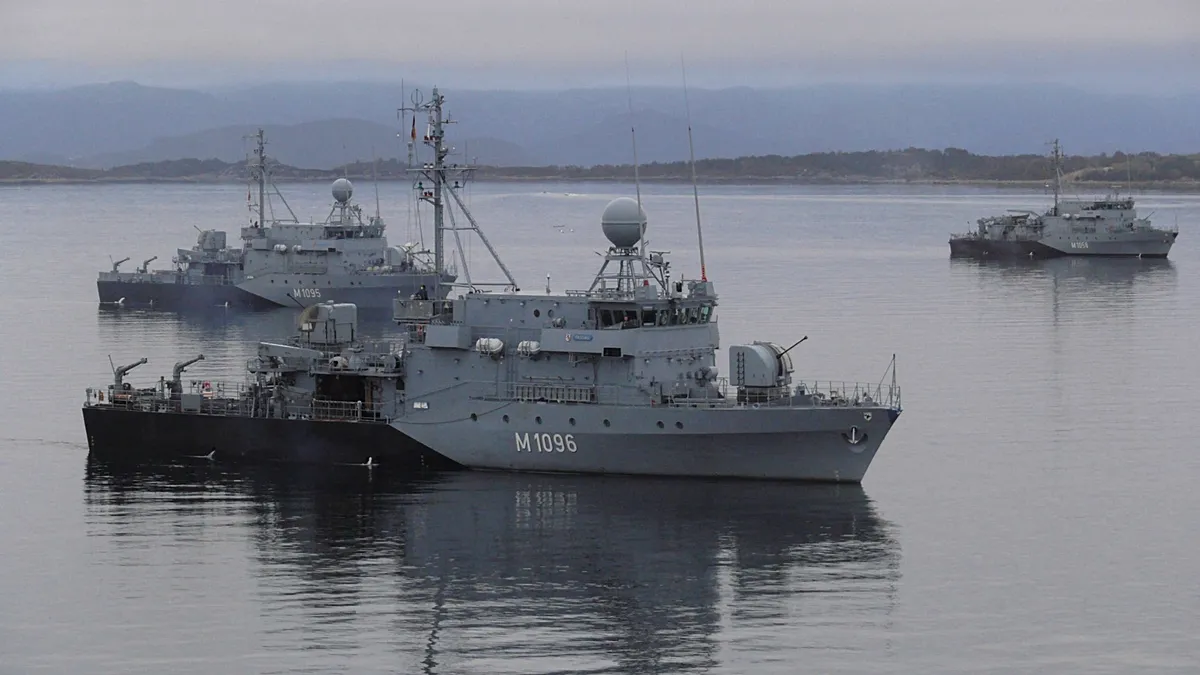
Despite the urgency of the situation, the legal groundwork for Germany’s involvement is still in flux. Some officials suggest that a new EU framework could provide a more streamlined approach, while others advocate for a broader NATO mandate. The German navy, which has been deployed in the eastern Mediterranean to support the EU’s EUNAVFOR Aspides mission, is positioned to reallocate assets quickly. Ships like the minehunter “Fulda” and supply vessel “Mosel” are already in a state of readiness, with contingency plans for rapid mobilization if the mission gains official backing.
Germany’s Military Commitment
Germany’s military is reportedly prepping to take part in the Hormuz mission as part of its broader strategy to enhance its role in international security. The Bundeswehr has been involved in several operations, including the EU’s EUNAVFOR Aspides mission, which targets Houthi attacks on commercial vessels in the Red Sea and Gulf of Aden. Additionally, it supports UNIFIL’s coastal monitoring efforts in Lebanon and contributes to NATO’s naval operations in the North Atlantic and Baltic Sea. These existing commitments demonstrate Germany’s capacity to scale up operations, but the Hormuz mission would require a new level of coordination and resource allocation.
The strategic importance of the Strait of Hormuz cannot be overstated. As a crucial link between the oil-rich Middle East and global markets, any disruption in its passage could lead to significant economic consequences. With the US-Iran conflict continuing to threaten the region, Germany’s potential involvement may signal a shift in its foreign policy priorities, aligning more closely with NATO allies and strengthening European solidarity in global security matters. Analysts suggest that the mission could also serve as a test case for Germany’s ability to lead in international naval operations, given its current operational capabilities.
“Germany’s decision to join the mission would reflect its growing commitment to international security,” said a defense analyst. “The country has been balancing its energy interests with its diplomatic approach, but the current climate demands more proactive military engagement.” This sentiment underscores the broader geopolitical implications of the move, as Germany seeks to solidify its position as a key player in global defense alliances. The potential deployment of naval assets could also provide a deterrent against further attacks, bolstering confidence among international partners.
While the focus keyword “Germany reportedly prepping to take” appears early, it should be strategically woven into the text to enhance SEO. The mission’s timing is critical, with recent incidents such as attacks on oil tankers and the deployment of Iranian naval forces near the strait heightening concerns. By reportedly prepping to take part in this safeguarding mission, Germany aims to contribute to the collective security of the region, ensuring the uninterrupted flow of energy resources. This could also signal a renewed emphasis on maritime defense within the German military, given the increasing frequency of such threats in recent months.