Newsletter: G7 aligns on Ukraine in rare moment of unity
a Notable Unity in Global Diplomacy Newsletter - The newsletter highlights a pivotal moment in international cooperation as G7 leaders converge on a unified

Brussels, June 17: G7 Consensus on Ukraine Marks a Notable Unity in Global Diplomacy
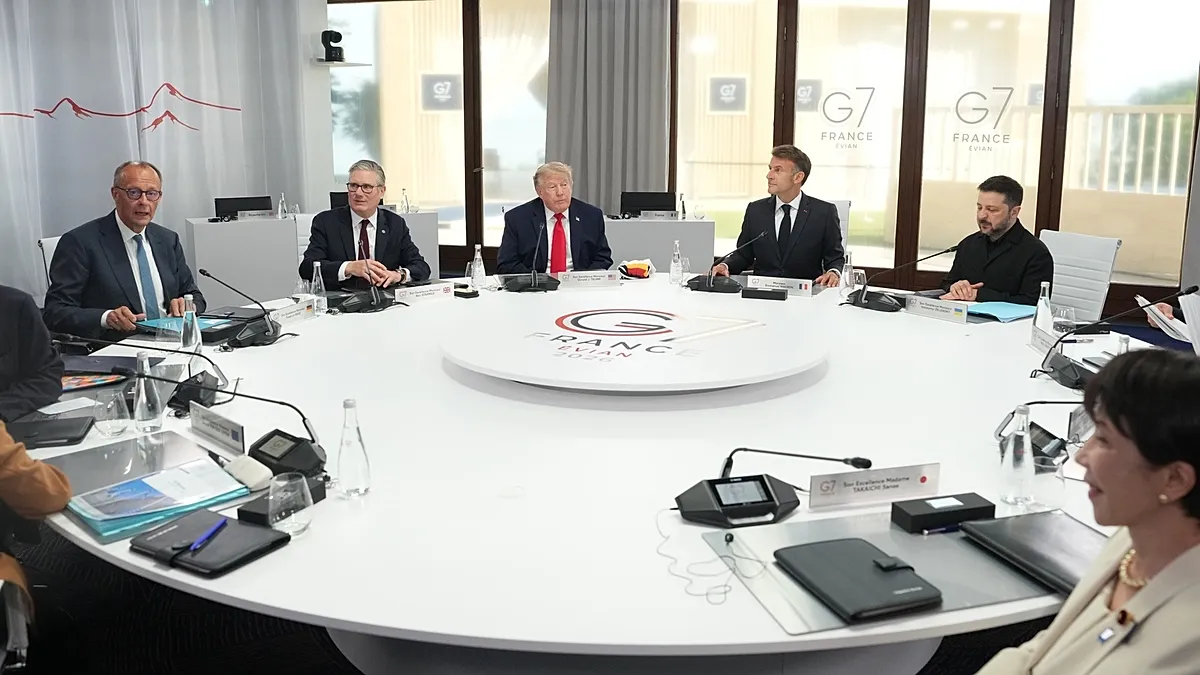
Poinews.com – The newsletter highlights a pivotal moment in international cooperation as G7 leaders converge on a unified stance regarding Ukraine’s ongoing conflict. During a summit held on the shores of Lake Geneva, the seven major economies—United States, United Kingdom, Germany, France, Italy, Canada, and Japan—agreed on a coordinated approach to support Kyiv. This consensus, outlined in the final statement released shortly after midnight, reaffirms their “unwavering commitment to Ukraine’s defense of freedom, sovereignty, and territorial integrity.” The newsletter emphasizes that this rare display of alignment underscores the growing urgency of the situation and the shared resolve to counter Russian aggression.
Escalating Sanctions and the US-Iran Strategic Shift
A key component of the G7 agreement involves intensifying economic sanctions against Russia, targeting its energy sector and critical infrastructure. The newsletter notes that the U.S. and U.K. had previously faced criticism for easing penalties on Russian oil and gas exports, a move seen as a compromise to mitigate economic pressure from the Iran conflict. However, the latest document, signed under U.S. President Donald Trump’s leadership, signals a reversal, with nations pledging to expand sanctions and impose stricter restrictions on Russian financial institutions. This decision is framed as a strategic victory for the alliance, aiming to send a stronger message to Moscow.
“We stand united in our unwavering support for Ukraine in defending its freedom, sovereignty, and territorial integrity,”
declared the joint statement, which serves as a cornerstone of the newsletter‘s coverage of the summit. The agreement also includes a plan to coordinate military aid, with Germany and France leading efforts to provide additional weaponry and logistical support to Ukraine. The newsletter underscores that this collective action represents a critical step in stabilizing the Eastern European front.
AI Governance and Tech Policy Debates
As the summit progresses, the newsletter turns its attention to the growing importance of AI governance in global politics. Tech leaders from Anthropic, OpenAI, Google, and Mistral AI are expected to address concerns about the rapid deployment of artificial intelligence, particularly after Washington blocked access to Anthropic’s Fable 5 and Mythos 5 models. This move, outlined in the newsletter, has raised alarms in Europe, where leaders worry about U.S. dominance in critical technology and the potential risks to global security.
“Fable 5 and Mythos 5 are said to have unprecedented capabilities to identify and exploit cyber vulnerabilities, making them a formidable hacking tool,”
noted the newsletter in its analysis of the AI discussions. The U.S. decision to restrict access to these models has sparked debates about tech oversight and the balance between innovation and national security. European allies are now pushing for a more collaborative framework to regulate AI development and ensure transparency in its use across borders.
Germany-Poland Defense Pact and Regional Security
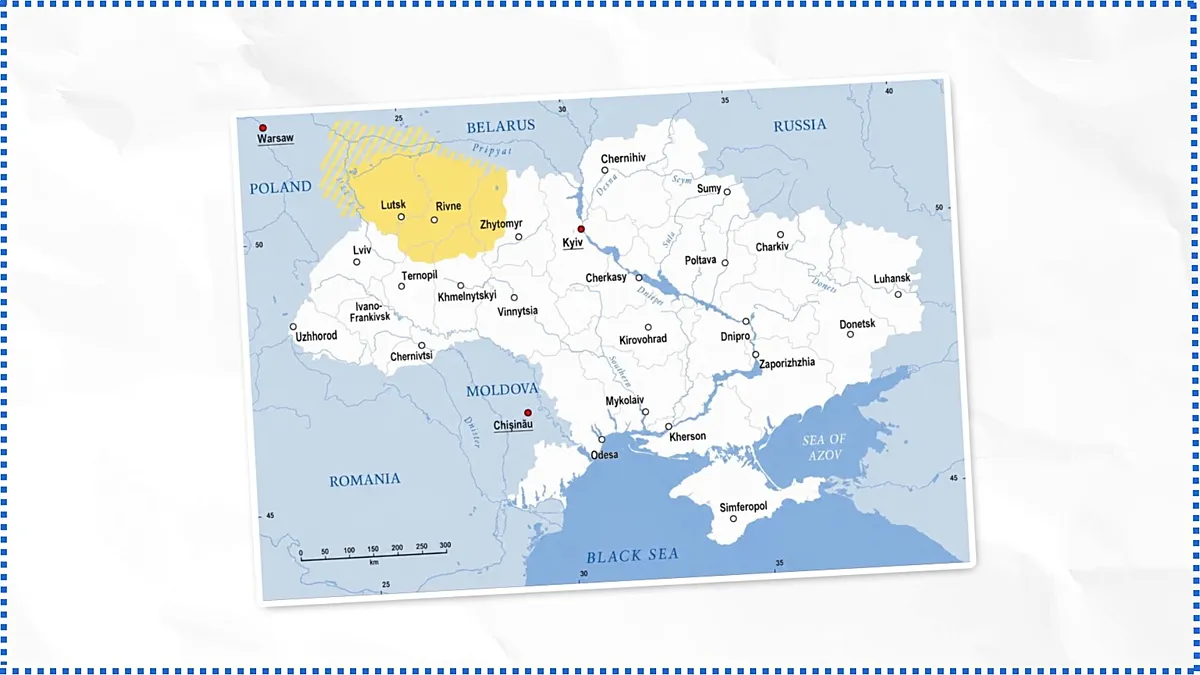
In a separate development, Germany and Poland are finalizing a landmark defense pact to enhance military collaboration in the face of escalating Russian threats. The newsletter reports that this agreement follows years of political friction, with both nations now prioritizing collective security over individual interests. Poland, under its liberal government, has emerged as a vital partner for Germany, offering strategic logistical support and demonstrating a strong commitment to NATO’s eastern flank.
“Poland is keen to ensure that major European allies take a greater role in defending the continent’s eastern flank,”
the newsletter quotes Polish officials as saying. Germany’s Chancellor Friedrich Merz is expected to leverage this partnership to modernize the Bundeswehr and strengthen Europe’s defense capabilities. The pact reflects a broader trend of regional solidarity, with nations recognizing the need for a unified response to emerging security challenges.
Belarusian Apology and Diplomatic Shifts
The newsletter also covers a notable diplomatic development: Belarusian President Aliaksandr Lukashenka’s recent apology for criticizing Ukraine. In a statement delivered during the summit, Lukashenka acknowledged his earlier remarks, which had cast doubt on Belarus’s role in the conflict, and expressed regret for labeling Ukrainian President Volodymyr Zelenskyy “young and inexperienced.” He further emphasized that his country poses no military threat to Kyiv, aligning with the G7’s stance on Ukraine’s security.
“Belarus leader Aliaksandr Lukashenka said his country poses no military threat to Ukraine and claimed his earlier statements were only in response to what Lukashenka said were threats from Kyiv,”
the newsletter summarizes. This shift in rhetoric suggests a potential thaw in Belarus’s relationship with the West, though analysts caution that the nation’s strategic position remains a critical variable in the broader geopolitical equation.
The newsletter concludes by highlighting the interconnectedness of these developments, from economic sanctions to AI governance and regional defense alliances. As the G7 leaders depart from Lake Geneva, the collective actions they have agreed upon signal a new phase in the global response to the Ukraine crisis. The newsletter will continue to monitor the implementation of these decisions, assessing their impact on both the war effort and international relations.