France is releasing millions of sterile insects to fight tiger mosquitoes
fight tiger mosquitoes France is releasing millions of sterile insects as part of a groundbreaking initiative to combat the spread of tiger mosquitoes, a

France is releasing millions of sterile insects to fight tiger mosquitoes
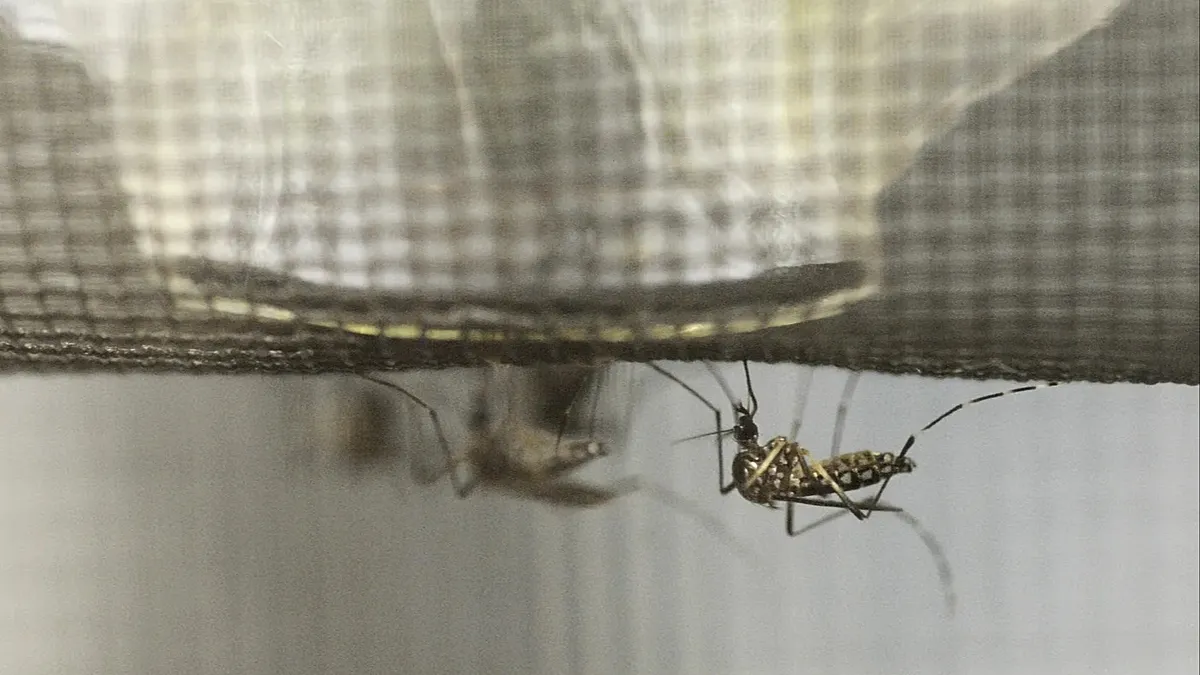
Poinews.com – France is releasing millions of sterile insects as part of a groundbreaking initiative to combat the spread of tiger mosquitoes, a growing threat to public health and ecosystems. The country has partnered with Terratis, a leading company in biological pest control, to implement the sterile insect technique (SIT) on a large scale. This method involves mass-producing and releasing sterile male mosquitoes into affected areas, aiming to significantly reduce their breeding populations. The project is currently underway in Montpellier, where the facility produces around 1.5 million sterile males weekly, targeting regions where tiger mosquitoes have established themselves as a persistent nuisance.
How the Sterile Insect Technique Works
The sterile insect method is a scientifically validated approach that leverages the natural mating behavior of mosquitoes to curb their numbers. Male tiger mosquitoes are bred in controlled environments and exposed to X-ray irradiation to render their sperm non-viable. Once sterilized, these males are released into the wild, where they compete with fertile males for mating with female mosquitoes. Since the females cannot produce offspring after mating with sterile males, the population declines over time. This method is particularly effective for species like *Aedes albopictus*, which is known for transmitting diseases such as dengue, Zika, and chikungunya.
The process begins with the collection of eggs and larvae from local tiger mosquito populations, which are then raised in specialized labs. Once the adult males reach maturity, they undergo irradiation to ensure sterility. The sterilized males are subsequently deployed in strategic locations, such as parks, residential areas, and water bodies where tiger mosquitoes tend to breed. This approach is praised for its precision, as it targets only the species in question and avoids harming beneficial insects or pollinators. France’s commitment to this method underscores its role in pioneering sustainable pest control solutions.
France’s Leadership in Sterile Insect Deployment
France is releasing millions of sterile insects as part of its broader strategy to manage invasive species and mitigate the health risks posed by tiger mosquitoes. The initiative in Montpellier is not just a local effort but a national program designed to address the growing threat of these pests, which have been linked to outbreaks of mosquito-borne illnesses. By scaling up production to 40 million sterile males per week within two years, Terratis aims to create a long-term solution that minimizes reliance on chemical pesticides. This shift aligns with France’s focus on eco-friendly approaches to pest control, emphasizing sustainability and environmental safety.
Experts note that the success of this method depends on consistent and large-scale deployment. In the Malbosc district of Montpellier, teams work tirelessly to distribute thousands of sterile mosquitoes across targeted zones. The process involves meticulous planning, including monitoring mosquito activity and adjusting release rates based on population dynamics. This ensures that the sterile males effectively outcompete fertile males without disrupting the ecosystem. The program also includes community engagement efforts to educate residents about the benefits of this method and its role in disease prevention.
“The sterile insect technique offers a promising solution to an insect that has become both a public health threat and a community annoyance,” said a researcher involved in the project. “By targeting only the tiger mosquito, we can reduce disease transmission without harming other species or the environment.”
France is releasing millions of sterile insects to create a more robust and scalable mosquito control strategy. The initiative has been met with cautious optimism, as it represents a departure from traditional methods like insecticide spraying, which can have unintended ecological consequences. The SIT method is seen as a cost-effective and long-term solution, particularly in urban areas where tiger mosquitoes thrive. Researchers are also exploring how this technique can be combined with other measures, such as habitat modification and early detection systems, to maximize its impact. As the project progresses, it is expected to serve as a model for other countries facing similar challenges with invasive mosquito species.