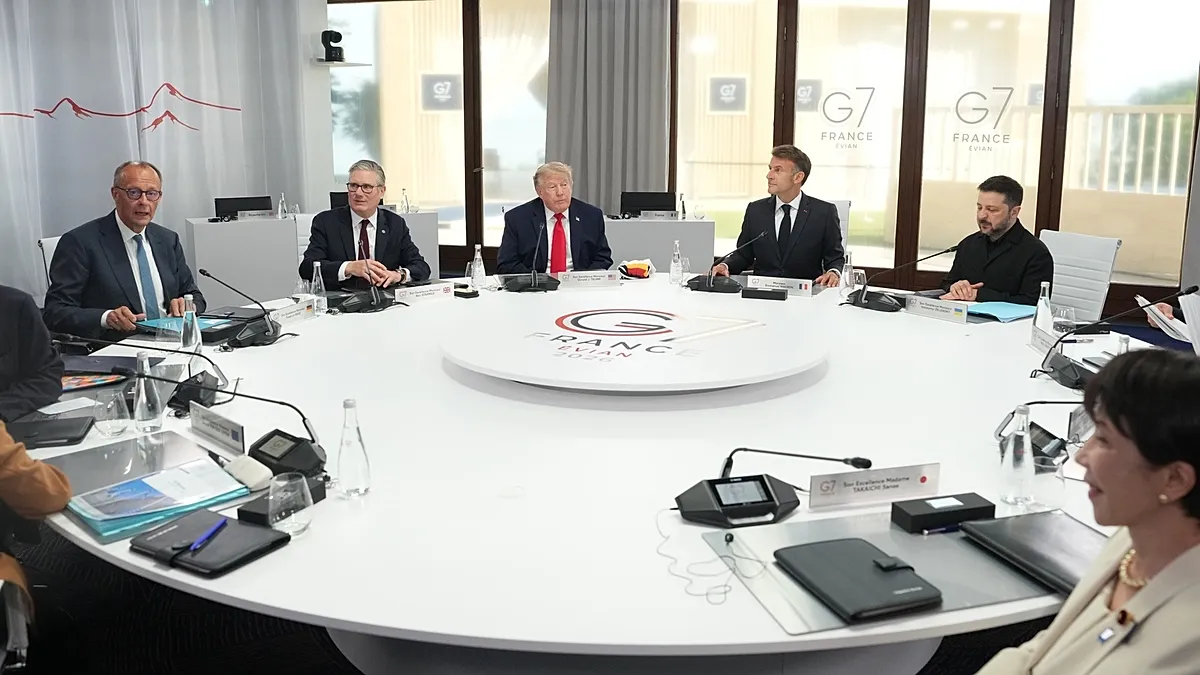
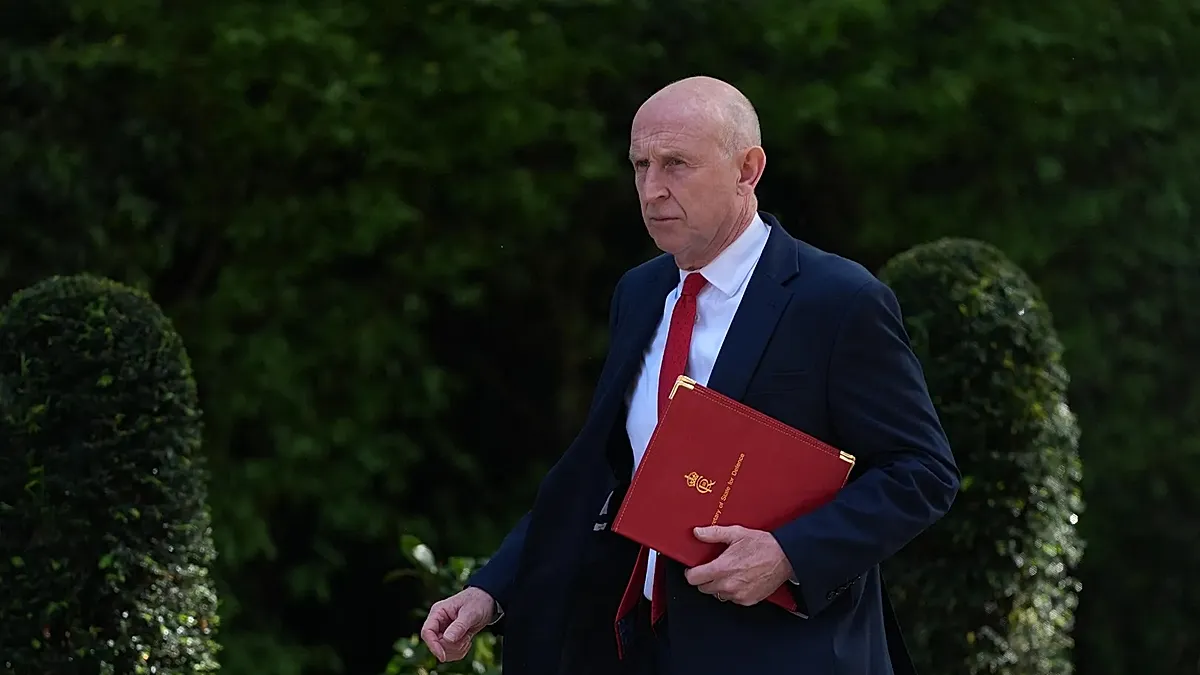
Rutte heads to Washington to smooth NATO tensions ahead of July summit
Rutte Heads to Washington to Address NATO Tensions Ahead of July Summit Transatlantic Diplomacy in Focus Rutte heads to Washington to smooth - Mark Rutte

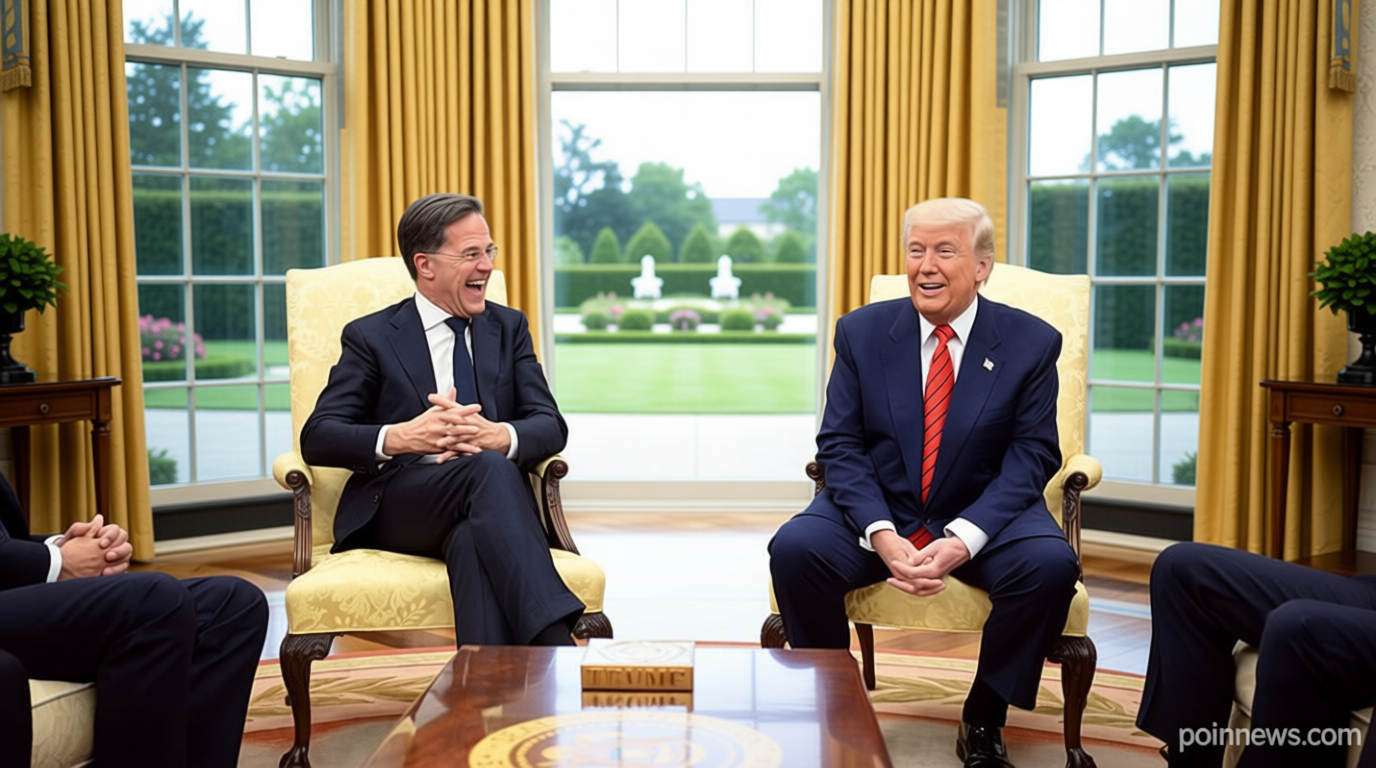
Rutte Heads to Washington to Address NATO Tensions Ahead of July Summit
Transatlantic Diplomacy in Focus
Poinews.com – Mark Rutte, NATO’s Secretary General, is set to travel to Washington this week as part of a strategic effort to Rutte heads to Washington to smooth growing disputes between the alliance and the United States before the upcoming July summit. The visit, which follows months of friction over European resistance to U.S. military interventions in the Iran conflict, aims to rebuild trust and align priorities ahead of the critical meeting in Ankara. This diplomatic initiative comes amid concerns that recent disagreements could undermine NATO’s cohesion, particularly after U.S. Defense Secretary Pete Hegseth emphasized the need for greater European collaboration during the latest defense ministers’ meeting in Brussels.
Central to Rutte’s mission is the U.S.-Iran agreement to end hostilities, which has reignited debates about European nations’ willingness to support U.S. military actions. France and the United Kingdom have spearheaded efforts to ensure unrestricted navigation through the Strait of Hormuz, a key strategic waterway, and Rutte’s discussions with U.S. officials will center on securing broader NATO backing for this initiative. The focus keyword, Rutte heads to Washington to smooth, underscores the urgency of resolving these tensions, as the July summit is poised to become a pivotal moment for shaping the alliance’s future direction.
“Our shared goal is to ensure that NATO remains united in its defense commitments, even as we navigate complex geopolitical challenges,” Rutte stated in a pre-travel press briefing. “This trip to Washington is a step toward restoring the collaborative spirit that defines our alliance.”
Shifting Security Responsibilities
As the July summit approaches, one of its primary objectives is to redefine the distribution of security responsibilities among NATO members. The U.S. has signaled a potential reduction in its military contributions, including the deployment of long-range bombers like the B-2 and B-52, and fewer F-16 and F-35 fighter jets to support NATO operations. This shift has raised concerns among European allies, who fear the U.S. may be scaling back its role in collective defense. Rutte’s visit to Washington is intended to reassure U.S. officials that Europe remains committed to shared security goals, despite recent disagreements over the use of military assets in the Iran conflict.
The friction between the U.S. and European allies has been fueled by a series of decisions that challenged American leadership. During Trump’s presidency, European nations initially hesitated to grant U.S. forces full access to bases like Ramstein Air Base in Germany, which played a crucial role in coordinating strikes against Iran. Germany, in particular, became a focal point of criticism after its government allowed the full use of the base, only to later question the justification for the operations. Trump retaliated by reducing the U.S. military presence in Germany and publicly accusing allies of lacking commitment. Rutte’s efforts to Rutte heads to Washington to smooth these tensions are essential to preventing a repeat of past disputes at the July summit.
“We are prepared to support the U.S. and our allies in this endeavor, but we need clarity on the long-term strategy,” said a NATO diplomat in Brussels. “Rutte’s trip to Washington is a proactive move to align expectations and strengthen our partnership.”
Peace Deal and Summit Outlook
The recent U.S.-Iran peace agreement has provided a temporary reprieve from the heightened tensions that dominated earlier months. While the deal has reduced the risk of direct confrontations at the July summit, it has also sparked discussions about the implications for NATO’s strategic posture. Rutte’s visit to Washington is expected to focus on how this agreement can be leveraged to secure a more stable security environment, with European leaders advocating for continued support of the initiative to open the Strait of Hormuz. The alliance hopes the summit will not only reaffirm the peace deal but also establish a framework for long-term cooperation on regional stability.
Analysts believe that the July summit will serve as a turning point for NATO’s relationship with the U.S. and its European members. With most NATO countries now on board with the European-led effort to secure the Strait of Hormuz, Rutte’s mission is to ensure the U.S. recognizes the shared interests in maintaining open maritime routes. The summit is also expected to address the defense spending target of 2% of GDP, which has been a recurring point of contention. Rutte’s presence in Washington underscores the importance of this goal, as the alliance seeks to demonstrate its financial commitment and reassure the U.S. of its dedication to collective security.
“The path to a stronger NATO requires both sides to find common ground, and Rutte’s trip is a crucial step in that process,” remarked a senior European defense official. “The focus keyword, Rutte heads to Washington to smooth, reflects the alliance’s resolve to overcome divisions and unite under a common vision for the future.”
Broader Implications for Alliance Cohesion
As Rutte prepares for his Washington visit, the broader implications of the trip for NATO’s cohesion cannot be overstated. The alliance has faced internal divisions over the U.S. military footprint in Europe, with some members advocating for a more balanced distribution of responsibilities. Rutte’s diplomatic outreach aims to address these concerns, emphasizing that the July summit will provide an opportunity to strengthen the alliance’s unity. By engaging directly with U.S. officials, he hopes to bridge the gap between American strategic priorities and European policy preferences, ensuring that NATO remains a cohesive force in global security.
The challenges facing the alliance are not limited to the Iran conflict. Ongoing debates over defense spending, energy security, and the role of the U.S. in NATO’s military operations have created a complex landscape for decision-making. Rutte’s trip to Washington is designed to foster dialogue and create a roadmap for resolving these issues, with the July summit serving as a platform to solidify agreements. The success of the mission will depend on the ability of U.S. and European leaders to find compromises, particularly in light of the recent peace deal with Iran, which has shifted the focus of NATO’s strategic priorities.
Conclusion and Future Outlook
With the July summit on the horizon, Rutte’s visit to Washington represents a vital effort to Rutte heads to Washington to smooth the alliance’s relationship with the United States. The trip is not only about addressing immediate disputes but also about setting the stage for a more cooperative and resilient NATO. As the summit approaches, the alliance is working to consolidate its positions on key issues, including the Strait of Hormuz, defense spending, and the role of collective military action. The outcome of Rutte’s diplomatic engagement will have lasting implications for the future of transatlantic relations and the effectiveness of NATO in addressing global security challenges.
Rutte’s mission highlights the importance of proactive diplomacy in maintaining the alliance’s unity. By engaging with U.S. officials early, he aims to prevent the July summit from becoming a battleground for unresolved tensions. The discussions in Washington are expected to cover a range of topics, from the implementation of the U.S.-Iran agreement to the future of NATO’s military capabilities. As the alliance prepares for this critical meeting, the focus keyword, Rutte heads to Washington to smooth, serves as a reminder of the shared goals that bind NATO members together, even in the face of challenges.