Costa defends surprise decision to open diplomatic channel with Russia
Costa Defends Sudden Move to Initiate Talks with Russia Costa defends surprise decision to open - António Costa, the President of the European Council, has

Costa Defends Sudden Move to Initiate Talks with Russia
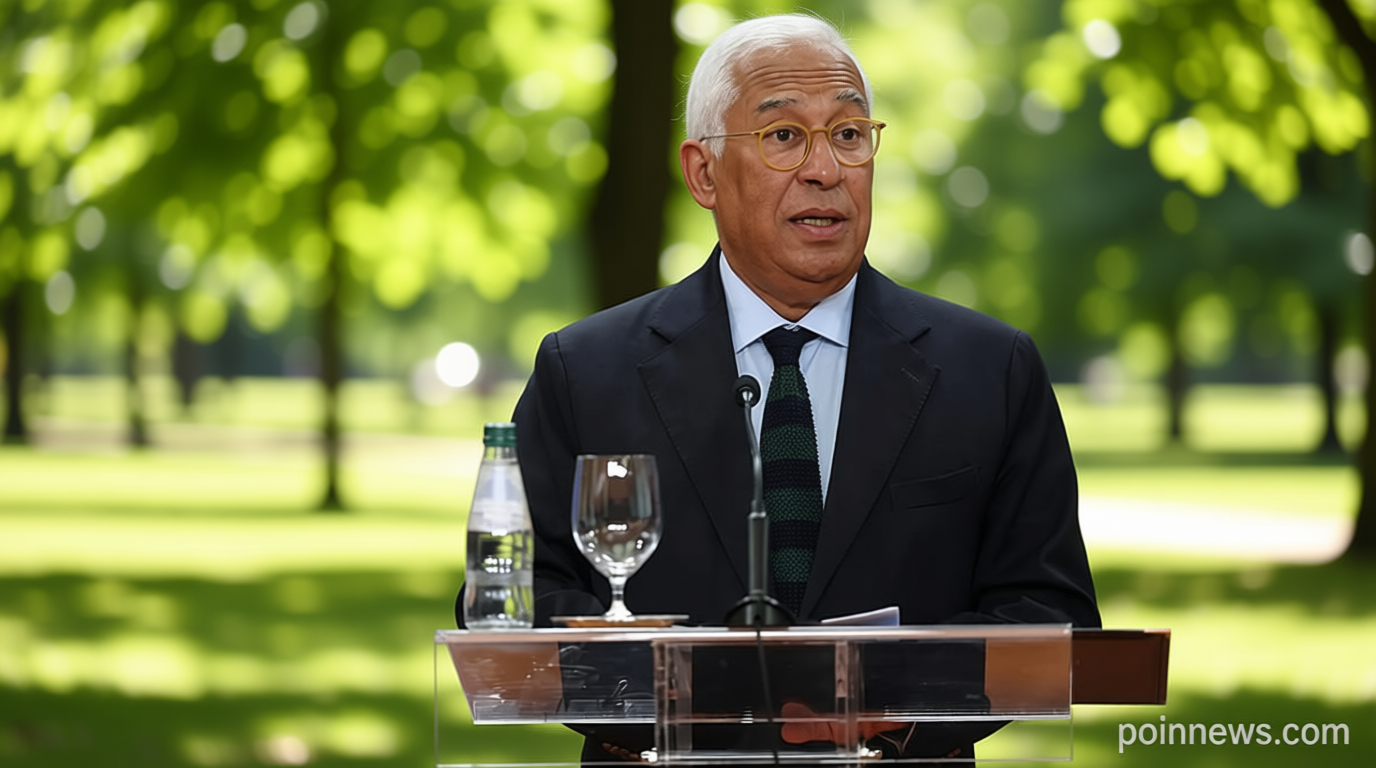
Poinews.com – António Costa, the President of the European Council, has publicly justified his unexpected decision to establish a diplomatic channel with Russia, emphasizing the need to explore peace discussions as a means of stabilizing the ongoing conflict. This strategic move, which took place during the recent EU summit in Brussels, has sparked debate among member states, with some welcoming the initiative and others questioning its timing. The focus keyword “Costa defends surprise decision to open” appears prominently in the opening paragraph, setting the tone for the article’s core theme. By prioritizing diplomatic engagement, Costa aims to ensure the EU remains agile in its approach to Russia, particularly as the situation in Ukraine continues to evolve.
Context of the Decision
The decision to open a direct line of communication with Moscow came after months of tension between the bloc and Russia, exacerbated by the war in Ukraine. Costa’s office confirmed that the move was not a formal treaty but a flexible diplomatic initiative to assess the possibility of negotiations. “We need to be prepared for any scenario, including dialogue with Russia, to safeguard our interests and promote stability,” a spokesperson for the Council explained. The initiative reflects a shift in strategy, as the EU seeks to balance its support for Ukraine with the prospect of diplomatic breakthroughs. This approach aligns with Costa’s broader goal of fostering unity among member states while maintaining flexibility in crisis management.
Reactions from EU Members
While some EU leaders have endorsed Costa’s outreach, others have expressed skepticism. Poland, the Baltic states, and Nordic nations were vocal in their concerns, arguing that the timing of the decision was premature given the ongoing military operations. A diplomat from one of these countries noted, “Opening talks with Russia while they continue to advance on the frontlines may send mixed signals to the West.” Despite this, several member states, including Slovenia, Austria, and Bulgaria, have shown support, highlighting their interest in de-escalating tensions. The mixed responses underscore the complexity of EU foreign policy and the challenges of achieving consensus in times of crisis.
“The President explained that he had asked his office to open a diplomatic channel with Russia. The aim was to be ready, when the right moment comes, to defend the EU’s interests. What we are talking about are brief contacts, with no exchange on substance and no negotiations — simply diplomats carrying out diplomatic work,” an EU official said.
Costa’s team cited Ukraine’s urgent call for a diplomatic solution as a key factor in the decision. Ukrainian President Volodymyr Zelenskyy, who has been a central figure in the EU’s discussions on Russia, recently emphasized the importance of direct engagement. “Both Ukraine and Europe have always been very clear that ultimately you will need negotiations to reach a lasting peace deal,” he stated in a recent interview. This sentiment appears to have influenced Costa’s approach, as the president seeks to position the EU as a credible partner in peace talks while maintaining the bloc’s unity.
“It is important for it to have a strong voice and presence in this process, and it is worth determining who will represent Europe specifically,” Zelenskyy added, underscoring the need for a cohesive EU stance in negotiations with Russia.
As the summit concluded, the EU’s final statements reflected a commitment to both supporting Ukraine and pursuing diplomatic avenues. However, the timing of the new channel’s initiation has raised questions about the extent of Costa’s authority and whether member states were adequately consulted. While some leaders viewed the move as a necessary step, others pointed out that it lacked transparency. “The decision was made without seeking broad input from national capitals, which could have helped build a stronger consensus,” a German official remarked. Despite this, the initiative has been framed as a pragmatic response to a rapidly changing geopolitical landscape, with the potential to reshape the EU’s relationship with Russia in the coming months.
Costa’s diplomatic outreach has also been interpreted as a strategic move to counter Russian influence in Europe. By establishing direct contacts, the EU hopes to bypass intermediaries and present a unified front in negotiations. This tactic has been praised by analysts for its boldness, though critics argue that it may dilute the EU’s collective bargaining power. As the bloc continues to navigate its dual role as a defender of Ukraine and a potential mediator, the success of this initiative will depend on its ability to balance these competing priorities. With the war showing no signs of slowing, Costa’s decision to open the channel with Russia represents a pivotal moment in the EU’s foreign policy strategy.