Trump signs initial deal to end Iran war and open Strait of Hormuz as nuclear talks continue
Trump Signs Initial Deal to End Iran War and Reopen Strait of Hormuz Trump signs initial deal to end Iran - On June 18, 2026, U.S.

Trump Signs Initial Deal to End Iran War and Reopen Strait of Hormuz
Poinews.com – On June 18, 2026, U.S. President Donald Trump finalized a significant agreement with Iran, marking a pivotal moment in the ongoing conflict. The deal, which Trump signed as part of a broader diplomatic effort, requires Tehran to reduce its stockpile of highly enriched uranium and temporarily ease sanctions imposed by Washington. This move is expected to allow Iran to resume exporting oil without restrictions, a critical step in stabilizing the global energy market. The agreement, announced in collaboration with Iranian officials, is set to take effect immediately, according to statements from both sides.
Breakthrough in Diplomatic Talks
The breakthrough came after months of tense negotiations, with Pakistani Prime Minister Shehbaz Sharif playing a crucial role as mediator. Trump’s decision to sign the deal underscores a strategic shift in U.S. foreign policy, aiming to de-escalate tensions in the region. The agreement includes a 60-day period for further discussions on Iran’s nuclear program, providing both nations time to refine the terms. While the initial steps are positive, Trump emphasized his readiness to take military action if the deal fails to meet his objectives.
Trump inked the physical document during a dinner with French President Emmanuel Macron in Versailles, a historic setting for major international accords. The planned signing ceremony in Switzerland was delayed due to conflicting updates from U.S., Iranian, and Pakistani officials, which left the formal announcement in a state of uncertainty. Despite these logistical hurdles, the deal’s core provisions remain intact, signaling a temporary truce in the Iran war.
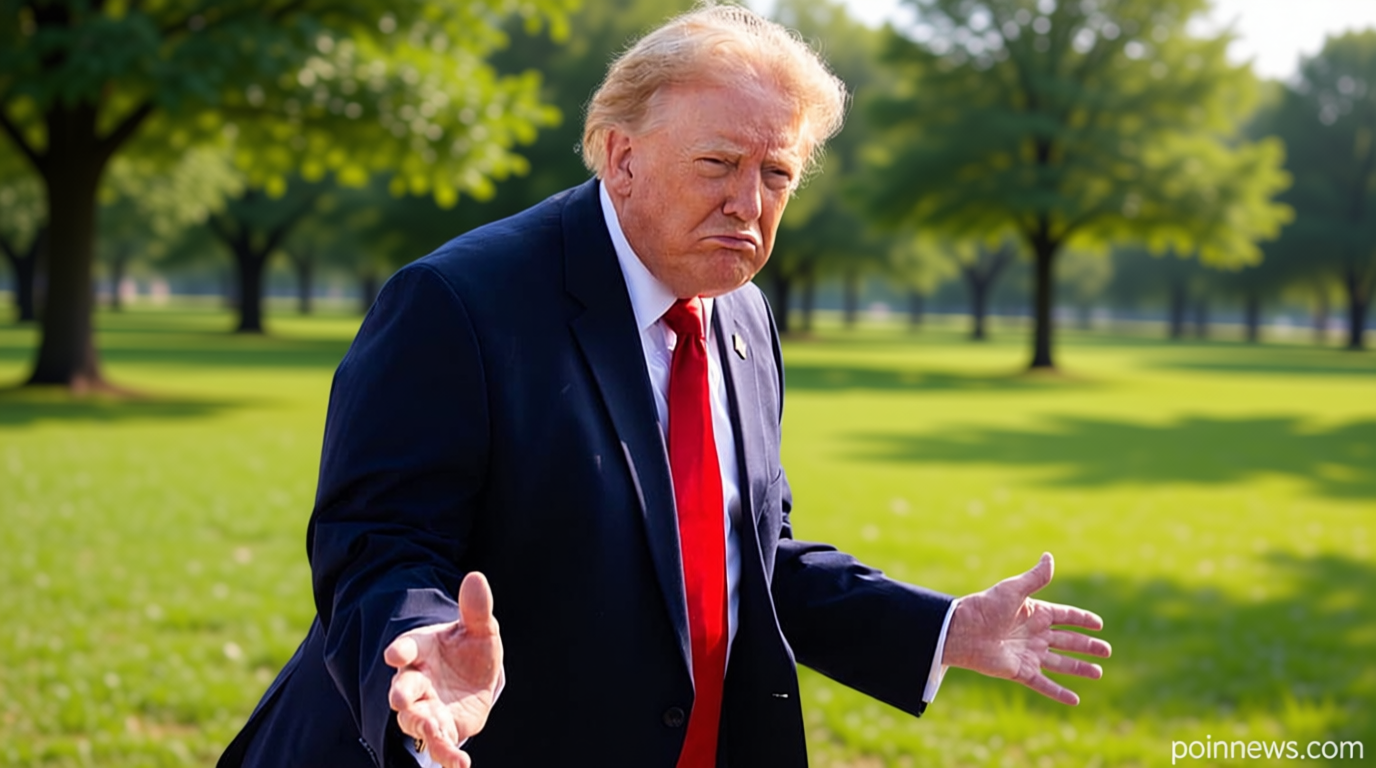
“It’s signed,” Trump declared as he left the Versailles dinner, which followed his participation in the Group of Seven summit. A White House aide’s video captured Trump signing a paper copy of the agreement, highlighting the ceremonial nature of the event. The moment was symbolic, with Trump positioning himself as a decisive leader in the negotiations.
Secretary of State Marco Rubio received the signed document from Trump, underscoring the administration’s commitment to the deal. Trump’s remarks during the signing, “This was not easy,” reflect the challenges faced in reaching an agreement. In Tehran, President Masoud Pezeshkian affixed his signature to the pact, as reported by the state-run IRNA news agency. The collaboration between the two nations marks a rare instance of cooperation in a historically adversarial relationship.
Terms and Strategic Implications
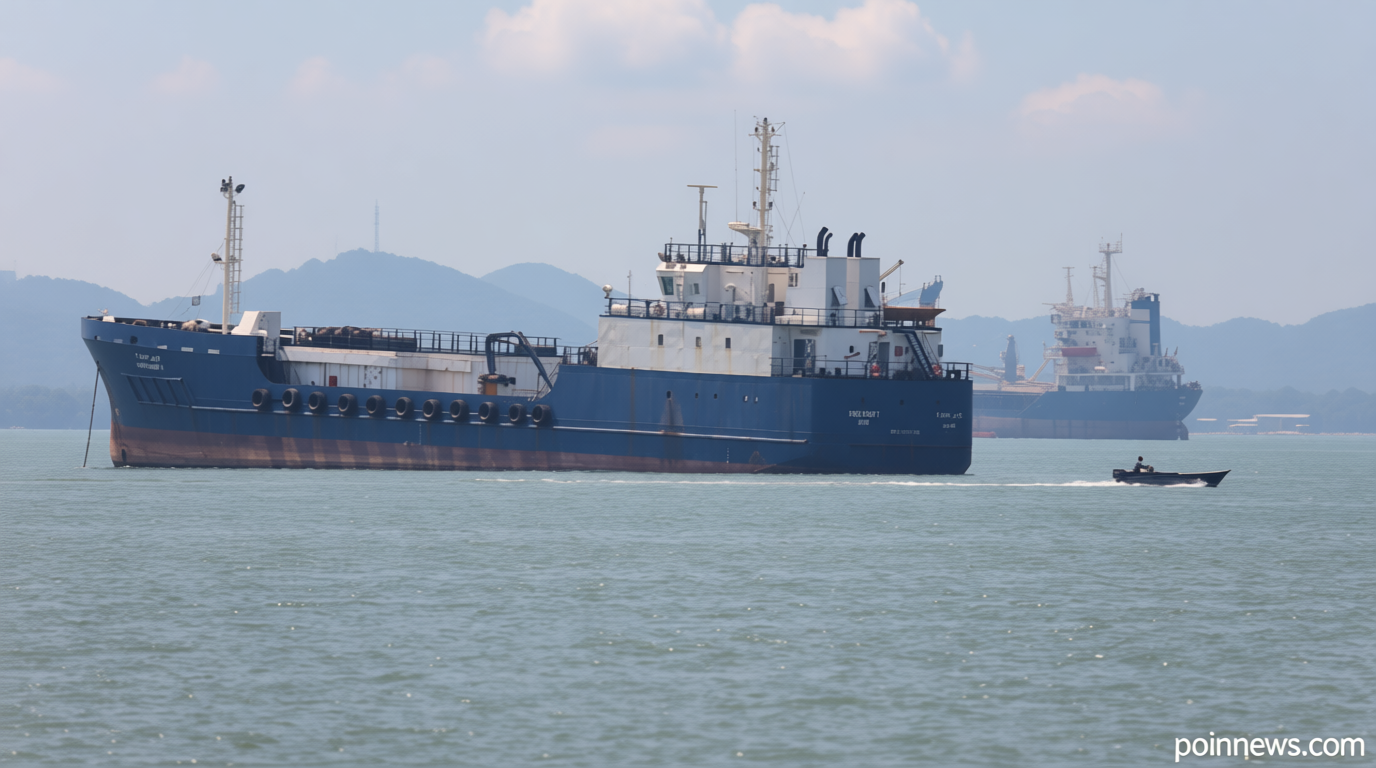
The deal’s terms, though not fully disclosed, are said to include substantial concessions from the U.S. to secure Iran’s compliance. These concessions involve halting hostilities and resuming nuclear talks, which have been stalled for years. Additionally, the agreement guarantees the reopening of the Strait of Hormuz, a critical maritime passage for global oil and gas trade, free of tolls for the next two months. This temporary relief is expected to ease supply chain pressures, though future fees remain a potential point of contention.
Trump’s decision to sign the deal has been framed as a step toward long-term peace, even as he retains the authority to withdraw from it if necessary. The Republican leader described the agreement as “very strong,” acknowledging its importance while hinting at future flexibility. Meanwhile, Iran’s compliance with the terms will be closely monitored, with experts noting that the deal could serve as a foundation for more comprehensive negotiations.
“It’s a memorandum of understanding, and if I don’t like it, we’ll go back to shooting at them, dropping bombs,” Trump stated during the summit, emphasizing his strategic approach. This remark highlights his willingness to use military force as a fallback option, ensuring leverage in the negotiations. The deal, however, is seen as a pragmatic move to stabilize the region and address immediate economic concerns.
As the agreement takes effect, analysts are closely watching its impact on both regional stability and global energy markets. The reopening of the Strait of Hormuz, in particular, is expected to boost oil prices and restore confidence in supply routes. However, the deal’s success will depend on Iran’s adherence to its commitments and the U.S.’s willingness to extend support beyond the initial terms. With nuclear talks continuing, the path toward a lasting resolution remains uncertain but promising.