Foreign aid cuts and climate change pushing up migrant flows, IOM chief warns
Foreign Aid Cuts and Climate Change Drive Migrant Flows, IOM Chief Warns The Role of Foreign Aid Cuts in Migrant Movements Foreign aid cuts and climate change

Foreign Aid Cuts and Climate Change Drive Migrant Flows, IOM Chief Warns
The Role of Foreign Aid Cuts in Migrant Movements
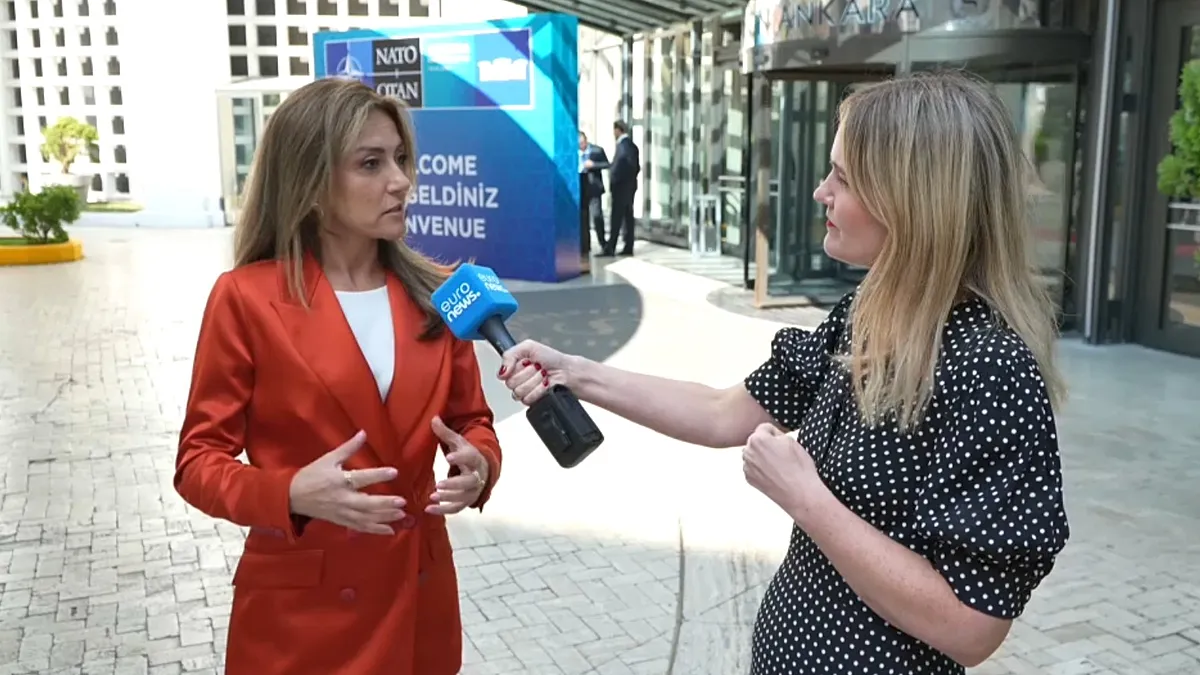
Poinews.com – At the Berlin Climate Mobility Forum, Amy Pope, head of the UN’s International Organisation for Migration (IOM), highlighted how declining foreign aid from wealthier nations is intensifying displacement from vulnerable regions. She argued that budget reductions in development assistance not only strain local economies but also increase the likelihood of people seeking better opportunities abroad. With many countries tightening their immigration policies, the combination of aid cuts and restrictive migration frameworks creates a perfect storm for rising migrant flows.
“When we see cuts in foreign aid, it directly affects the stability of communities that rely on external support,” Pope explained. “This makes them more susceptible to displacement, whether due to conflict, economic decline, or environmental crises. Sudan is a clear example, where ongoing war and dwindling aid have pushed millions into desperate situations, forcing them to leave their homes for survival.”
Recent years have seen a notable shift in how developed nations allocate resources to global development. Countries like the United States and European states have reduced their foreign aid budgets while enforcing stricter border controls. Pope pointed out that these decisions often reflect domestic political priorities, such as focusing on immediate border security over long-term investments in climate resilience and economic development. The result is a growing gap between the needs of displaced populations and the support available to them.
Climate Change as a Catalyst for Internal Displacement
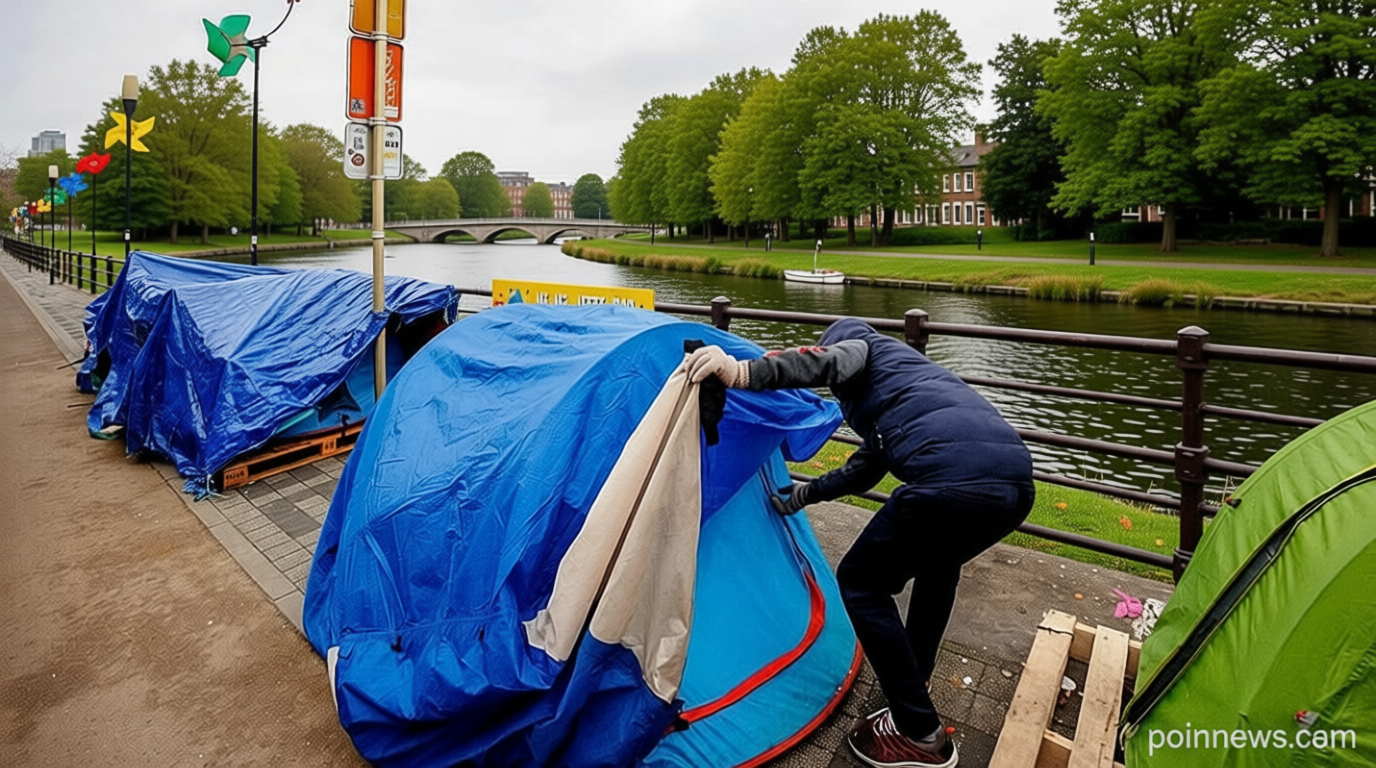
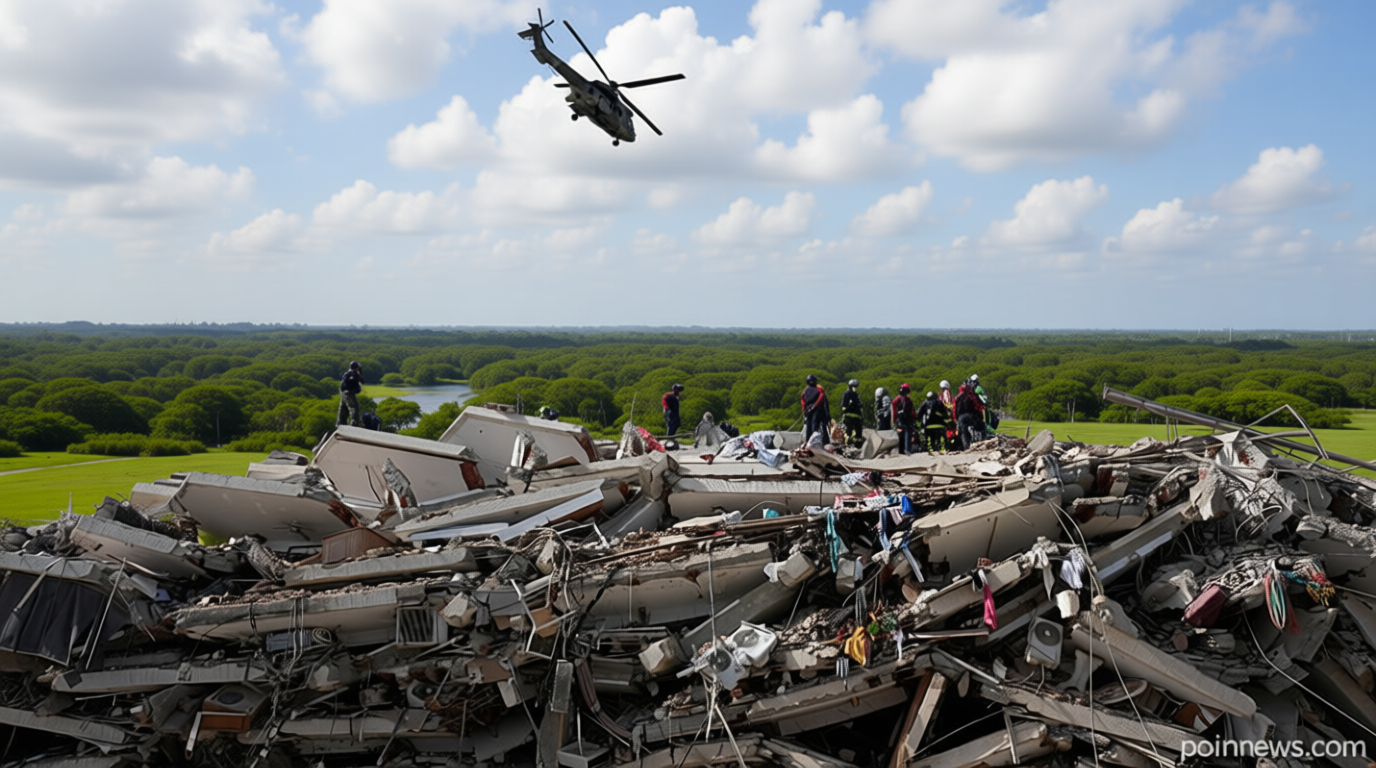
Climate change is increasingly shaping migration patterns across the globe, with environmental factors contributing to internal displacement on a massive scale. Rising sea levels, extreme weather events, and prolonged droughts are forcing communities to relocate within their own countries, often to neighboring regions. In the Pacific Islands, for instance, nations like Tuvalu face existential threats as their land becomes uninhabitable due to saltwater intrusion and coastal erosion. Similarly, in the Philippines, recurrent typhoons and floods have displaced over 10 million people in recent years, according to the IOM.
Pope emphasized that climate-driven displacement is not a new phenomenon but one that is accelerating. “The effects of climate change are becoming more pronounced, especially in low-income regions that lack the infrastructure to adapt,” she said. “Without foreign aid, these communities are left to manage the crisis on their own, which often leads to unplanned migrations and increased pressure on host countries.”
“The wealthiest nations, which are responsible for the majority of climate change, must take greater responsibility in supporting those affected,” Pope urged. “Investing in climate resilience and social safety nets now can prevent future displacement and reduce the need for large-scale migration.”
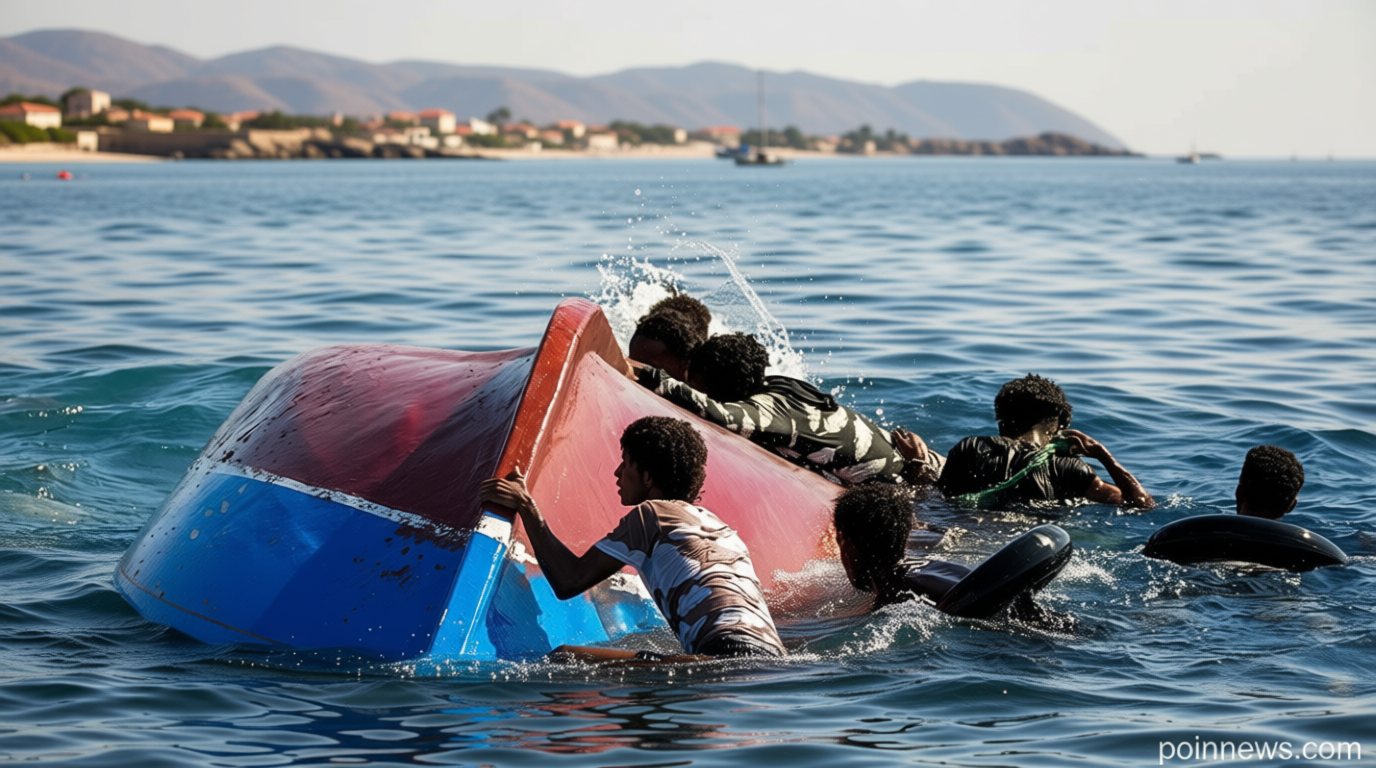
While international migration remains a significant concern, Pope noted that most displacement occurs within countries. As of mid-2024, over 700 million people are estimated to be internally displaced worldwide, compared to 304 million international migrants. This trend underscores the importance of addressing root causes of migration, such as climate change and economic instability, rather than focusing solely on border control measures.
The IOM chief called for a more integrated approach to migration policy, urging governments to prioritize long-term solutions over short-term fixes. She warned that if foreign aid continues to decline, the humanitarian impact will only worsen, leading to more people being forced into migration without adequate support. “We cannot afford to wait for crises to escalate before taking action,” Pope stressed. “Proactive investment in vulnerable regions is key to preventing future displacement.”