Europe looks at banning social media for teens, and girls are most impacted
Europe Considers Social Media Bans for Teenagers Europe looks at banning social media - Recent proposals to limit social media access for adolescents have

Europe Considers Social Media Bans for Teenagers
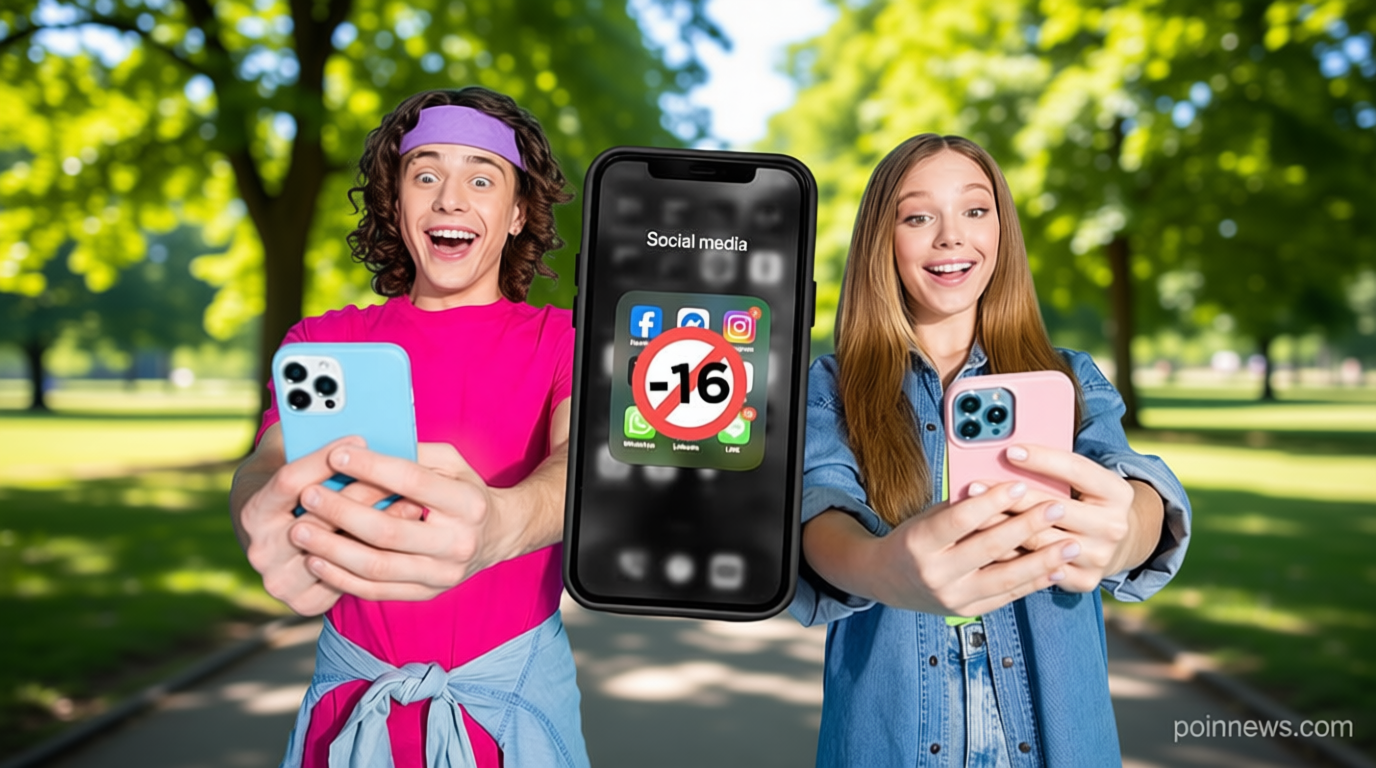
Poinews.com – Recent proposals to limit social media access for adolescents have sparked renewed discussions across the continent, with nations like France, Spain, Austria, Greece, and Denmark exploring ways to curb online exposure. The UK’s initiative has intensified the conversation, as educators and families increasingly demand safeguards to shield children from digital risks.
Concerns about cyberbullying, platform addiction, and the link between social media and mental health crises—such as suicides and self-harm—have driven these efforts. A WHO-supported study on adolescent health behavior revealed a notable rise in problematic social media use, climbing from 7% in 2018 to 11% by 2022. The research defines problematic use as behaviors involving difficulty in reducing screen time, prioritizing online interactions over other activities, and encountering negative outcomes from digital engagement.
Girls show higher rates of problematic use than boys in most surveyed countries. In Romania, 28% of 15-year-old girls reported such issues, compared to 18% of boys. Ireland and Malta also saw significant disparities, with 25% and 13% of girls affected, respectively. Conversely, nations like the Netherlands, Denmark, and Estonia reported lower levels of concern.
Girls Face Unique Challenges Online
Adolescent girls often experience greater pressure to conform to appearance standards and face higher levels of body dissatisfaction through social media. They are also more likely to encounter cyberbullying, according to the findings. The report notes that girls tend to maintain constant online connections with friends, with 44% of 15-year-olds reporting round-the-clock digital interaction, versus 29% of boys.
“Adolescent girls appear to be disproportionately affected by the social media environment, as they experience distinct pressures and virtual dynamics compared to their male peers.”
Political backing for restrictions is strong. A YouGov survey from April revealed that 79% of French citizens support banning social media for those under 16, alongside 76% in the UK, 74% in Germany, and 70% in Italy. Majorities in Spain (68%) and Poland (53%) also favor limits. Parents are especially vocal, with 79% in Britain, Italy, and Spain endorsing a ban for children.
Despite widespread support, the effectiveness of such bans remains unclear. Many proposals rely on age-verification systems, yet EU regulations complicate enforcement. National governments cannot unilaterally require apps like TikTok, Instagram, and Snapchat to block users under 16 without broader legislative changes. Long-term studies are scarce, leaving researchers to question whether these measures truly improve children’s wellbeing.