Live. G7 summit: EU sanctions remain until Iran changes behaviour, von der Leyen says
G7 Summit: EU Sanctions Stay in Place Until Iran Demonstrates Behavior Shift G7 summit - Leaders from the Group of Seven (G7) nations are gathering in Évian

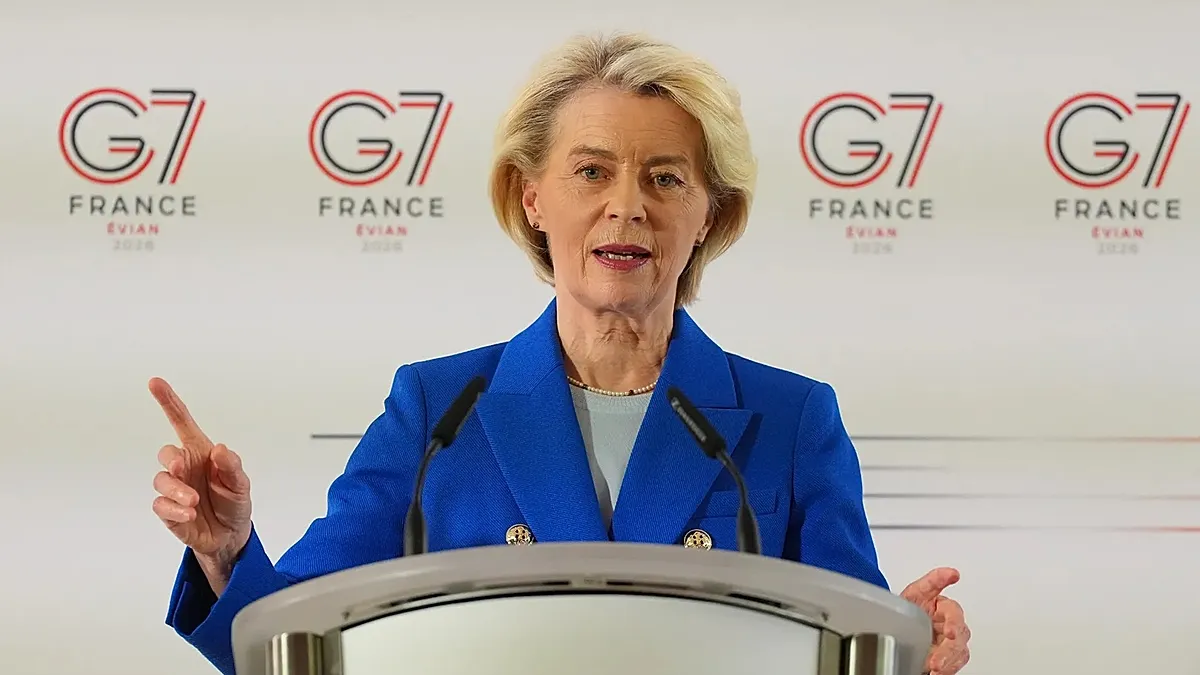
G7 Summit: EU Sanctions Stay in Place Until Iran Demonstrates Behavior Shift
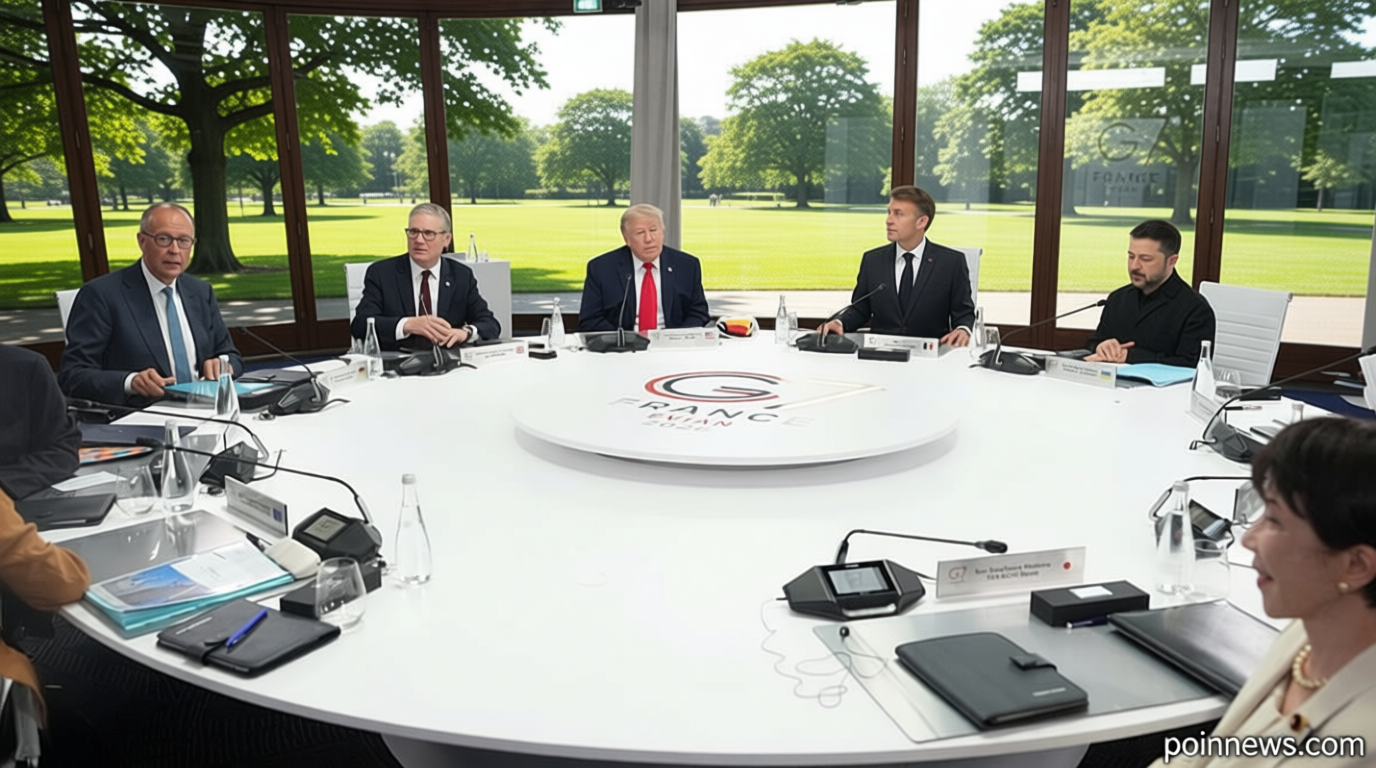
Poinews.com – Leaders from the Group of Seven (G7) nations are gathering in Évian, France, for a pivotal summit, just days after the United States and Iran unveiled a ceasefire framework aimed at halting escalating tensions. Despite this breakthrough, European Commission President Ursula von der Leyen has clarified that EU sanctions on Iran will not be lifted immediately. The summit, which will span three days, is expected to address critical global issues, including regional stability and energy security, with the EU’s position on Iran remaining firm.
EU Sanctions and Their Conditions
Von der Leyen, addressing journalists at the summit, stressed that sanctions on Iran are not a temporary measure but a strategic tool to ensure lasting behavioral change. “Our goal is not just to penalize but to incentivize Iran to align with international standards,” she stated. The European Union has imposed restrictions targeting human rights violations and the development of weapons of mass destruction, which have been in place since 2018. These measures will only be reconsidered once Iran proves its commitment to verifiable reforms, according to von der Leyen.
“Sanctions are a means to an end,” von der Leyen emphasized. “Until Iran demonstrates real progress in addressing its nuclear ambitions and regional aggression, we will maintain these sanctions.”
Energy Security as a Key Priority
Energy security has emerged as a central topic during the G7 summit, with Japan’s Prime Minister Sanae Takaichi highlighting the nation’s urgent need to diversify energy sources. The G7, including the EU, is expected to discuss strategies to mitigate risks posed by geopolitical instability in the Middle East. Takaichi noted that Japan’s focus on energy resilience has intensified since the disruption of oil supplies through the Strait of Hormuz, a vital chokepoint for global trade. The “Powerr Asia” initiative, launched in April 2026, aims to strengthen collaboration among Asian countries to ensure stable energy access.
G7’s Global Diplomatic Role
As the G7 summit unfolds, its leaders are under pressure to balance immediate concerns with long-term strategic goals. The agreement between the US and Iran has sparked debates about the role of multilateral diplomacy in resolving crises. While some members see the deal as a step toward peace, others, like the EU, remain cautious. Von der Leyen’s insistence on Iran’s behavioral changes underscores the bloc’s commitment to using economic leverage as a diplomatic tool. The summit’s discussions will also explore how to maintain pressure on Iran while fostering cooperation with regional allies.
“The G7 has always been a platform for consensus-building,” said an EU official. “But in cases like this, we need to be clear about our conditions and hold Iran accountable for its actions.”
Russia-Ukraine Dynamics and G7 Involvement
Separately, the G7 will continue its efforts to mediate the Russia-Ukraine conflict, which has remained unresolved since the invasion in 2022. Latvia’s Foreign Minister Baiba Braže noted that negotiations have stalled due to Moscow’s insistence on territorial gains and the erosion of Ukrainian sovereignty. While some G7 members advocate for a phased approach to peace, others argue that Iran’s behavior should serve as a model for Russia’s willingness to compromise. The summit will assess progress on Ukraine-related resolutions and evaluate the effectiveness of current sanctions against Russia.
Maritime Trade and the Strait of Hormuz
The recent ceasefire between the US and Iran has raised hopes for the resumption of shipping through the Strait of Hormuz, a critical artery for global oil exports. However, experts warn that full operations may not resume for several weeks due to ongoing mine-clearing efforts. The G7, particularly nations reliant on Middle Eastern energy, will monitor the situation closely. According to BIMCO’s chief safety and security officer, Jakob Larsen, the lingering threat of mines and the need for safe navigation routes could delay the restoration of normal maritime traffic.
“The Strait of Hormuz is a lifeline for energy markets, and any disruption carries significant economic consequences,” Larsen explained. “We need to ensure that all risks are mitigated before trade can fully recover.”
As the G7 summit progresses, the interplay between regional diplomacy and global economic concerns will shape its outcomes. The decisions made on Iran’s sanctions and energy security will not only reflect the bloc’s unified stance but also influence international relations and trade dynamics. With leaders from France, Germany, Italy, and other key members present, the summit is poised to address both immediate and long-term challenges, reinforcing the G7’s role as a cornerstone of global governance. The discussions will set the stage for future actions, ensuring the G7 remains a cohesive force in international affairs.