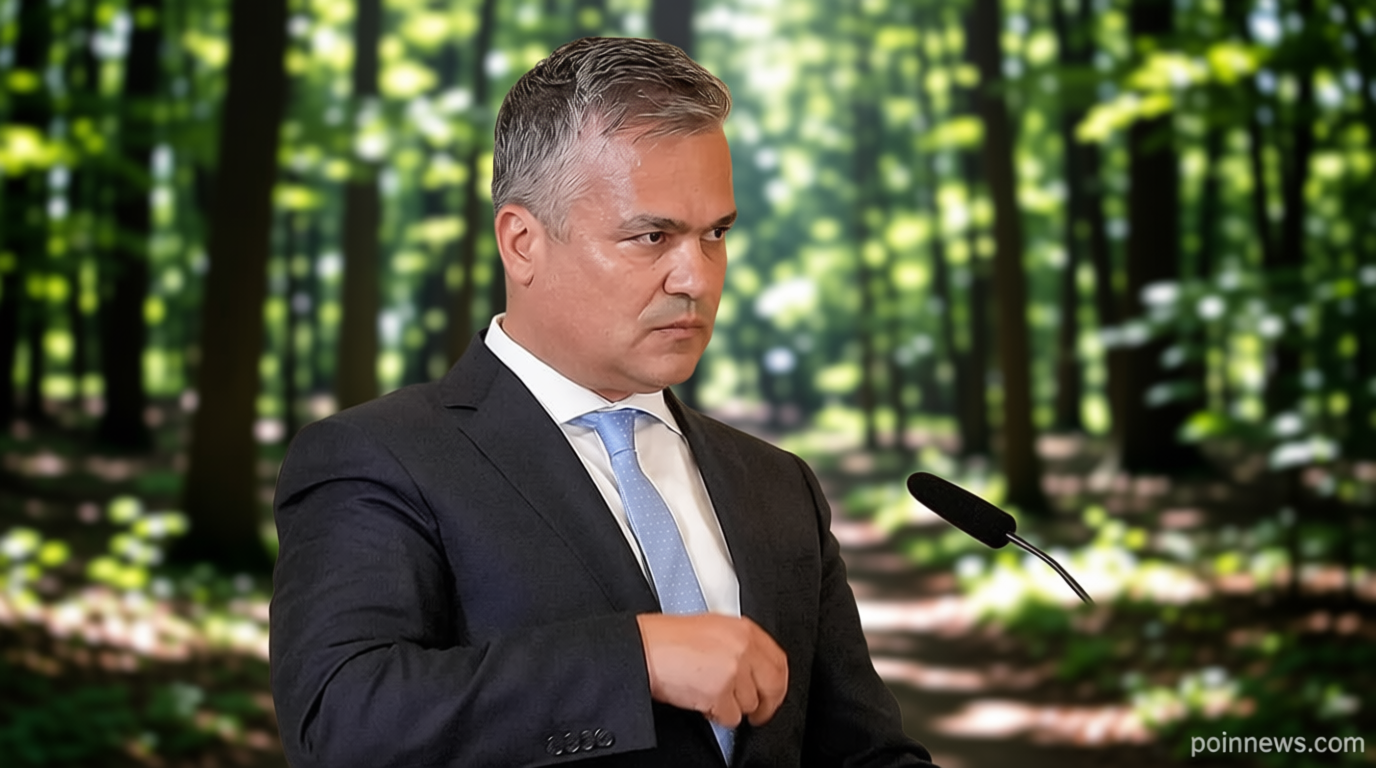
‘Not our Europe’: Macron and Sánchez slam ‘ineffective’ return hubs for migrants
'Not Our Europe': Macron and Sánchez Condemn Ineffective Return Hubs for Migrants Not our Europe - In a heated exchange during a recent European Union summit

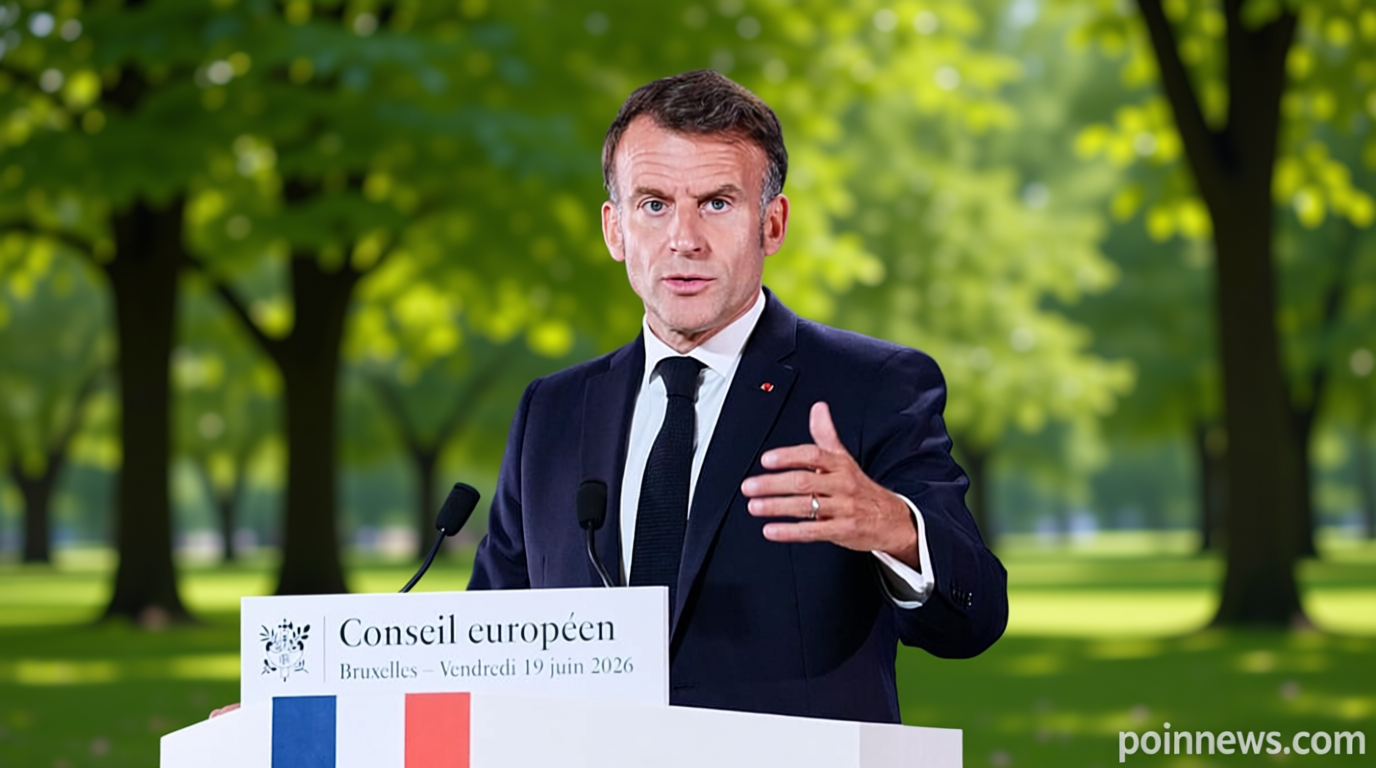
Table of Contents
‘Not Our Europe’: Macron and Sánchez Condemn Ineffective Return Hubs for Migrants
Poinews.com – In a heated exchange during a recent European Union summit, French President Emmanuel Macron and Spanish Prime Minister Pedro Sánchez have criticized the EU’s proposed return hubs for migrants, calling them a misrepresentation of European values. Their remarks, centered around the phrase “Not our Europe,” underscore a growing rift among EU leaders over how to handle migration. The summit, held on June 19, saw 19 European heads of state endorse a statement advocating for the establishment of these hubs in non-EU countries. The policy, championed by Denmark and Italy, seeks to streamline the deportation process by relying on third nations to manage rejected asylum seekers. However, Macron and Sánchez argue that this approach undermines the bloc’s commitment to human rights and solidarity.
The EU’s Proposed Deportation Hubs
The new Return Regulation, introduced under the EU’s latest migration strategy, allows for the creation of return hubs—facilities designed to expedite the deportation of migrants whose applications have been denied. These hubs aim to reduce the burden on EU member states by outsourcing the responsibility of managing asylum claims to partner countries. While supporters like Denmark and Italy frame this as a pragmatic solution to the migration crisis, critics like Macron and Sánchez view it as a step away from the EU’s foundational principles. “Not our Europe” has become a rallying cry, reflecting their belief that the policy shifts accountability to distant nations without adequate oversight or collaboration.
Macron, in particular, has questioned the effectiveness of the return hubs, citing a lack of tangible results. During the summit, he emphasized that the EU’s financial resources would not be wasted on initiatives that fail to deliver. “I’ve yet to see anyone succeed with these return hubs,” he stated, adding that the evidence clearly shows their shortcomings. His remarks echo concerns about the potential misuse of funds and the risk of alienating African partners, whose cooperation is vital for the success of such programs.
Macron’s Stance on the Policy
The French leader’s opposition to the return hubs has been rooted in both practical and ideological grounds. He argued that while innovation in migration policy is welcome, the current strategy risks compromising core European values. “I have a great deal of respect for those who attempt it, but I disagree both in practice and on principle,” Macron said, highlighting his support for stricter migration laws. However, he drew a clear line against physically relocating migrants to countries where they have no ties, a move once considered taboo but now permitted under the updated regulations. Macron’s skepticism suggests that the policy may not align with the EU’s vision of a unified and humane approach to migration.
Italy, which has been a driving force behind the return hub initiative, faces its own challenges in implementing the plan. Despite setting ambitious targets for housing and processing rejected migrants, the country has not met its goals. This has led to criticism that the policy is more symbolic than practical. Macron, a vocal advocate for innovation, pointed out that the term “innovative solutions” is being used to justify a system that lacks proven effectiveness. He questioned whether financial incentives would ensure the protection of human rights, emphasizing that the EU must balance efficiency with dignity in its approach to migration.
Sánchez’s Opposition and Concerns
Spanish Prime Minister Pedro Sánchez has been equally vocal in his criticism, labeling the return hubs as “absolutely inefficient” and “worthless” in addressing irregular migration. He argued that the policy would squander economic resources and damage Europe’s reputation as a welcoming region. “Not our Europe” encapsulates his frustration with the plan, which he sees as a threat to the EU’s ability to maintain trust with African nations. Sánchez warned that the hubs could erode diplomatic relations, particularly in regions where migration flows originate. His stance aligns with Macron’s, as both leaders stress the need for a more cohesive and values-driven strategy.
The debate over return hubs reflects a broader tension between EU nations. While some advocate for stricter measures to control borders, others fear the policy could deepen divisions within the bloc. Macron and Sánchez’s critique highlights concerns about the potential for misuse of EU funds and the risk of creating a system that prioritizes speed over fairness. Their remarks have sparked discussions about the role of African countries in the migration process and whether the EU is fully prepared to support these partnerships with the necessary resources and commitment.