Video. Heatwave nears 40C in France, forcing tourists to change routines
Heatwave Nears 40°C in France, Forcing Tourists to Change Routines Heatwave nears 40C in France forcing - As France braces for a scorching heatwave

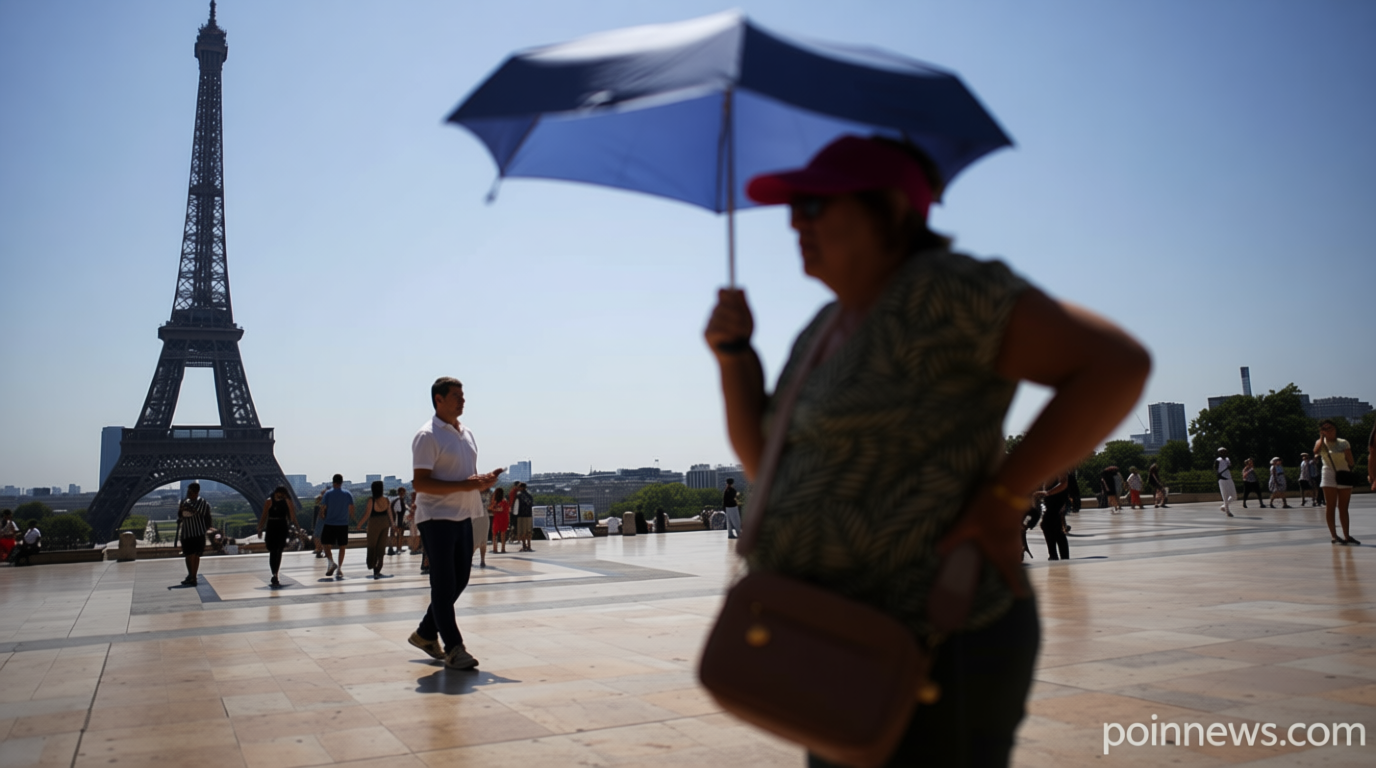
Table of Contents
Heatwave Nears 40°C in France, Forcing Tourists to Change Routines
Poinews.com – As France braces for a scorching heatwave, temperatures are projected to climb to nearly 40°C across the country, prompting tourists to rethink their travel plans and adapt to the extreme weather conditions. This summer’s heatwave, one of the most intense in recent memory, is pushing visitors to modify their routines, prioritizing indoor activities and early mornings to avoid the peak heat. With cities like Paris, Marseille, and Lyon experiencing record-breaking temperatures, the traditional rhythm of summer tourism is being disrupted. The Meteo-France has issued warnings about the prolonged heat, emphasizing that the situation could persist for several days, creating a ripple effect on both leisure and commercial sectors. As the mercury rises, travelers are increasingly seeking cooler alternatives, from shaded plazas to air-conditioned museums, while local authorities are scrambling to implement measures to ensure public safety and comfort.
Impact on Tourism and Daily Life
The heatwave’s grip on France is not only affecting outdoor experiences but also reshaping the way tourists navigate the country. In Paris, for instance, visitors to iconic landmarks such as the Eiffel Tower and the Louvre are now arriving earlier in the day to beat the sweltering heat, which can exceed 38°C by mid-afternoon. This shift has led to a noticeable change in foot traffic patterns, with museums and indoor attractions reporting higher attendance rates. Meanwhile, outdoor markets, parks, and historic sites are witnessing a decline in visitors, as the high temperatures make them less appealing. The French tourism ministry has noted a 15% drop in bookings for afternoon tours in the capital, underscoring the impact of the heatwave on the nation’s travel industry. Additionally, the heat is causing delays in sightseeing plans, with many tourists opting for shorter excursions or indoor activities to stay cool.
Across the country, the effects of the heatwave are becoming more pronounced. In southern regions like Provence, temperatures are projected to reach 40°C in the coming days, forcing locals and visitors alike to take precautions. Beachgoers in cities such as Nice and Cannes are now arriving before sunrise, while those in urban centers like Toulouse are relying on shaded structures and misting systems to combat the heat. The phenomenon is also influencing the timing of events, with festivals and open-air concerts being moved to cooler hours or even canceled altogether. Local businesses, including cafes and ice cream vendors, are experiencing a surge in demand, as tourists seek hydration and relief from the intense heat. This dynamic highlights the adaptability of the tourism sector, even in the face of extreme weather conditions.
Adaptation Strategies and Public Response
French authorities are implementing various strategies to help tourists and residents cope with the heatwave. In Paris, the city government has launched a campaign encouraging people to stay hydrated and use public cooling facilities, such as shaded parks and indoor malls. Meanwhile, regional officials are providing real-time weather updates and advising on travel plans to minimize exposure during the hottest parts of the day. These measures are part of a broader effort to ensure the safety of the population, especially vulnerable groups such as the elderly and children. Despite the challenges, many tourists are embracing the situation with a mix of humor and resilience, using fans, umbrellas, and water stations to stay comfortable. Social media platforms are abuzz with photos and videos of people navigating the heat, creating a unique narrative around the summer’s extreme weather.
Experts warn that this heatwave is a glimpse into the future of summer in France, with climate change expected to make such events more frequent. According to the French Institute of Meteorology and Oceanography, the current heatwave is part of a larger trend of rising temperatures, which has been observed across Europe. The data shows that the average summer temperature in France has increased by 2°C over the past three decades, leading to a noticeable shift in weather patterns. This warming trend is prompting discussions about the long-term implications for tourism, including the need for more resilient infrastructure and adaptive strategies. Local businesses are also exploring new ways to attract visitors, such as offering heat-resistant tours or themed experiences that cater to the changing conditions. As the heatwave continues, the focus remains on how both residents and tourists can thrive in an increasingly warmer climate.
Moreover, the heatwave is impacting the broader economy, with sectors reliant on outdoor activity facing significant challenges. In the tourism industry, this has led to a reevaluation of itineraries and services, as companies adjust to meet the demand for cooler experiences. Airlines and hotels are also seeing shifts in bookings, with a higher percentage of travelers opting for destinations with more moderate climates. The French government has called for increased collaboration between sectors to address the crisis, including the development of new cooling technologies and expanded access to shaded areas in public spaces. As the situation evolves, the focus on sustainability and climate adaptation is becoming more critical, with the heatwave serving as a catalyst for long-term planning. For now, the key message remains clear: as France nears 40°C, tourists and residents must remain vigilant and flexible in their approach to the summer heat.