Cypriot minister vows to keep ‘building’ on EU accession momentum
Cypriot Minister Commits to Sustaining EU Accession Progress Cypriot minister vows to keep building - During Cyprus’ six-month EU presidency, Deputy Minister

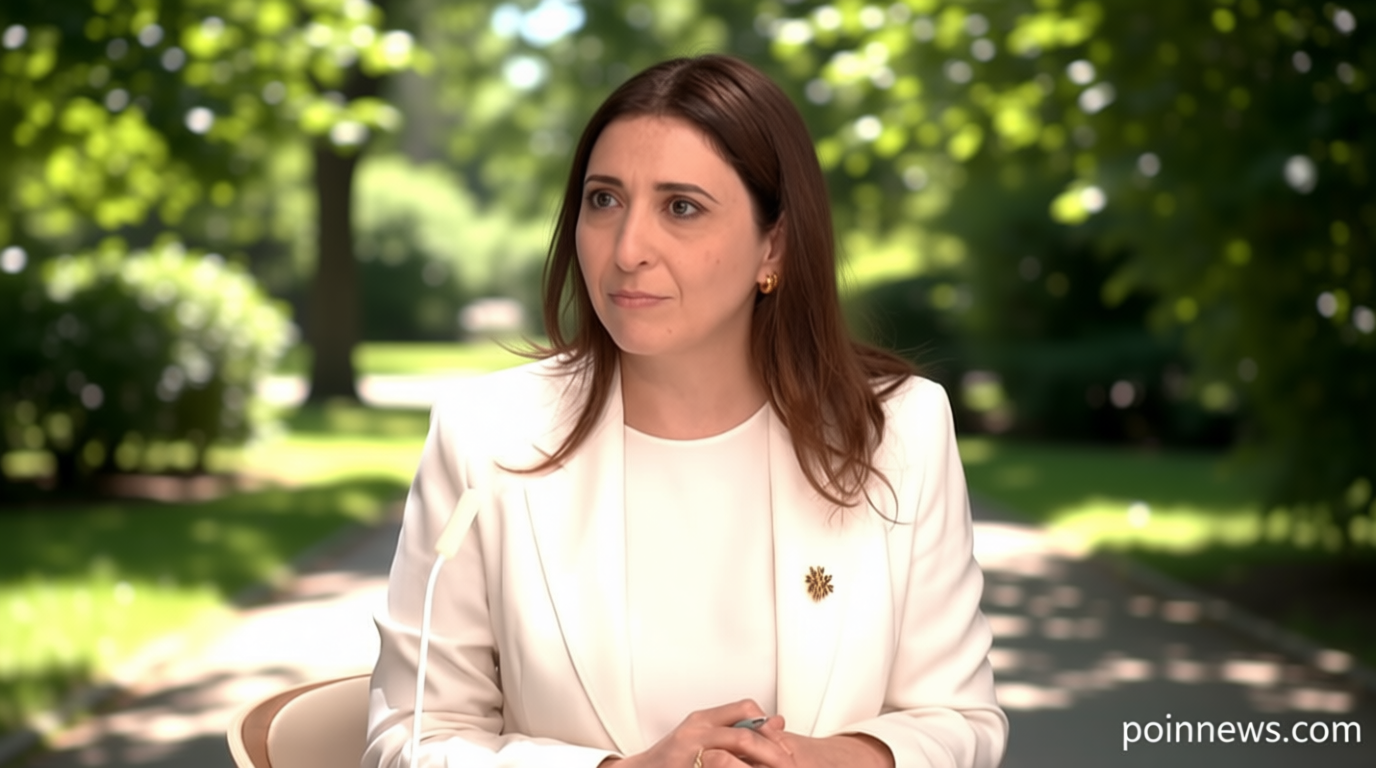
Cypriot Minister Commits to Sustaining EU Accession Progress
Poinews.com – During Cyprus’ six-month EU presidency, Deputy Minister for European Affairs Marilena Raouna has made a clear commitment to “keep building” on the momentum of European Union accession processes. Her recent statements underscore Cyprus’ dedication to advancing integration efforts, particularly with countries like Ukraine and Moldova, which are currently pursuing EU membership. Raouna emphasized that the nation will not rest on its laurels but will continue to play a proactive role in shaping the bloc’s future. The focus keyword, “Cypriot minister vows to keep,” encapsulates her pledge to maintain forward momentum in EU expansion, ensuring that Cyprus remains a key player in the Union’s evolving landscape. This commitment comes at a critical time, as the EU seeks to balance rapid enlargement with the stability of its current member states.
EU Expansion: A Strategic Priority
As part of its responsibilities during the presidency, Cyprus has positioned itself as a champion of the EU’s expansion strategy. Raouna highlighted the importance of maintaining a cohesive approach to accession talks, noting that the process is not just about admitting new members but also about reinforcing the Union’s values and unity. “We are determined to ensure that the EU accession process remains a catalyst for stronger solidarity among member states,” she stated. This sentiment aligns with the broader EU agenda, which aims to address both political and economic challenges while maintaining a clear path for countries aspiring to join. The minister’s remarks reflect a growing awareness of the need for continuity in these negotiations, especially as the EU faces increasing pressure to meet the demands of potential candidates.
“The EU’s ability to adapt and grow hinges on its capacity to keep building on the foundations of trust and cooperation,” Raouna explained.
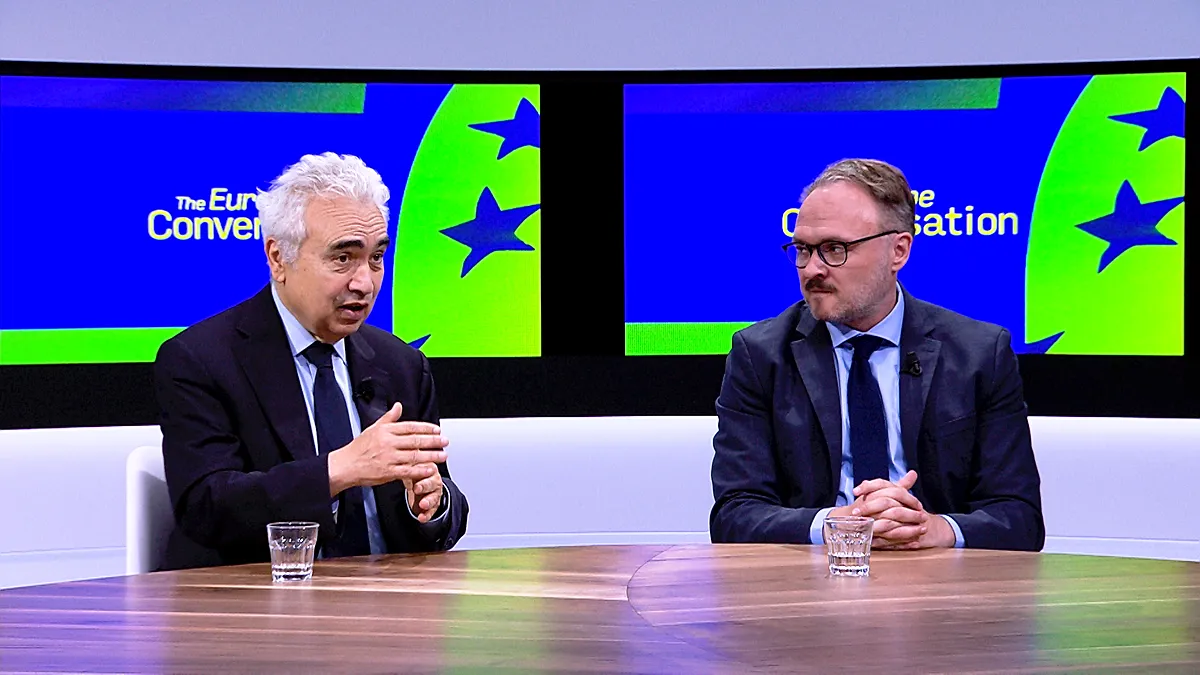
Her comments were made during an interview with Euronews’ Europe Today program, where she also addressed the role of small EU nations in driving large-scale policy decisions. The minister stressed that Cyprus, despite its size, will leverage its position to advocate for the interests of all member states, particularly those at the forefront of enlargement efforts. This includes supporting the integration of Ukraine and Moldova, which have long been seen as pivotal to the EU’s eastward expansion. Raouna’s focus on “keeping building” has already sparked discussions about the long-term implications of these talks and how they might influence the EU’s future direction.
Policy Focus: Strengthening European Integration
Throughout the EU presidency, Cyprus has prioritized policies that enhance the Union’s cohesion and resilience. Raouna outlined several key initiatives, including efforts to streamline the accession process and address concerns about the financial burden on existing members. She argued that the EU must remain agile, with a clear vision for how to incorporate new nations without compromising its stability. “The Cypriot minister vows to keep” ensuring that these discussions are not only inclusive but also forward-looking, she said. This commitment is particularly relevant as the EU navigates complex geopolitical landscapes and seeks to maintain its relevance in a rapidly changing world. By focusing on continuity and progress, Cyprus aims to solidify its role as a bridge between current and prospective members.
One of the most significant aspects of Cyprus’ presidency has been its emphasis on the EU’s financial framework, which plays a crucial role in the accession process. Raouna proposed a moderate 2% cut to certain budgetary allocations as a compromise, aiming to create more flexibility for member states while still supporting the needs of candidate countries. This proposal has been met with mixed reactions, but the minister remains confident in its potential to foster greater cooperation. “We are keeping building on the idea that shared goals can lead to shared resources,” she noted. The discussion around financial frameworks is not only a technical issue but also a political one, as it affects the EU’s ability to fund its expansion and address internal disparities. Raouna’s approach reflects a strategic understanding of these dynamics, positioning Cyprus as a leader in balancing fiscal responsibility with integration aspirations.
Legacy and Transition: Ensuring Sustained Impact
As Cyprus prepares to hand over the EU presidency to Ireland, the nation’s leadership has been keen to highlight its achievements and future plans. Raouna emphasized that the transition will not mark the end of Cyprus’ contributions but rather a continuation of its efforts to “keep building” on the Union’s progress. The minister’s statements suggest a long-term vision for the EU, where enlargement remains a central goal. “We are confident that the momentum we have created will carry forward, even as we pass the baton to our next partners,” she said. This sentiment is echoed by other EU officials, who have praised Cyprus’ ability to navigate complex negotiations and maintain a unified front. The legacy of the presidency will depend on its ability to translate these commitments into tangible outcomes, ensuring that the EU’s expansion remains a dynamic and inclusive process.
Looking ahead, the Cypriot minister vows to keep the EU’s accession momentum by addressing key challenges such as the integration of new members and the management of financial resources. She also called for greater collaboration on issues like climate change, digital transformation, and economic resilience, which are increasingly important for the Union’s long-term stability. “The Cypriot minister vows to keep” the dialogue open and the strategies adaptable, she added. This approach is essential for maintaining the EU’s credibility and ensuring that its expansion remains a model of political and economic cooperation. As the bloc moves forward, Cyprus’ commitment to these principles will serve as a reminder of the importance of perseverance and unity in the face of evolving challenges.