UK by-election: Nigel Farage faces ‘record’ number of rivals
UK By-Election: Nigel Farage Faces Record Number of Rivals in Clacton UK by election - In the UK by election set to take place in the coastal constituency of

UK By-Election: Nigel Farage Faces Record Number of Rivals in Clacton
Poinews.com – In the UK by election set to take place in the coastal constituency of Clacton, Nigel Farage, leader of the Reform UK party, is encountering an unprecedented level of competition. This by-election, which will be held on August 18, is expected to see a staggering 34 candidates vying for the seat—an all-time high surpassing the previous record of 26 in the 2008 Haltemprice and Howden by-election. The surge in candidates reflects a growing political fragmentation in the UK, with independent and smaller parties capitalizing on public dissatisfaction with traditional mainstream parties. The Tendring District Council, responsible for organizing the vote, has noted that the number of contenders is the highest in UK by-election history, making the race for Clacton a pivotal moment for political dynamics in the region.
The Rise of Independent Candidates in the UK By-Election
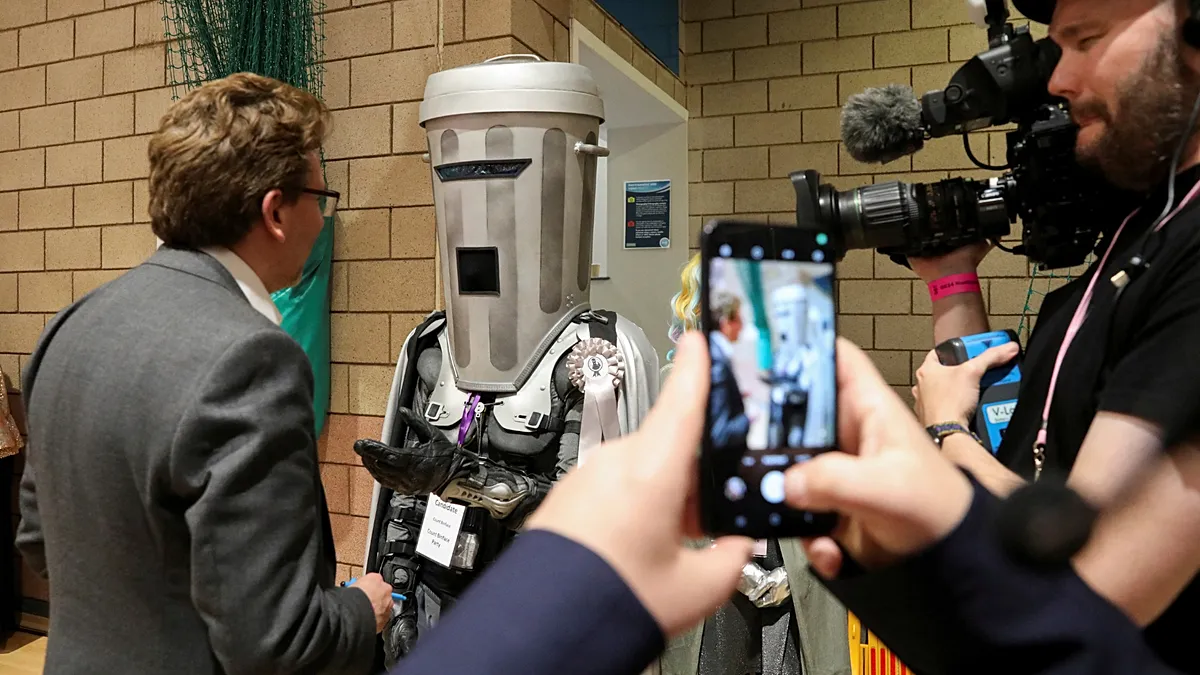
The UK by election in Clacton has drawn a diverse array of candidates, with 20 of the 34 running as independents. This significant increase in independent representation is part of a broader trend in UK politics, where grassroots movements and alternative parties are gaining traction. Notable among the independent candidates is Count Binface, a prominent figure from the Official Monster Raving Loony Party, known for his distinctive bin-shaped helmet and dramatic cape. His participation adds a layer of entertainment and satire to the UK by election, highlighting the creative approaches some candidates take to engage voters. Other independent entrants include local activists and community leaders, each bringing unique perspectives to the race.
Meanwhile, established political figures such as Laurence Fox, an actor and right-wing advocate, are also competing. Fox is running for The Reclaim Party, which he co-founded, further diversifying the political landscape. The presence of such high-profile candidates in the UK by election underscores the competitive nature of the race and the potential for a shift in the political power structure. This by-election is not just a contest for a single seat but a reflection of the evolving political scene in the UK, where traditional party lines are being challenged by a multitude of voices and ideologies.
Political Strategy and the Mainstream Parties’ Response
The decision by Nigel Farage to resign as an MP earlier this month has been a calculated political move, aimed at maximizing his visibility in the UK by election. Farage has positioned his campaign as a rebellion against the “entrenched establishment,” emphasizing his commitment to direct democracy. However, his resignation has drawn criticism from mainstream parties, who view it as an attempt to divert attention from their own challenges. Labour, for instance, has accused Reform UK of using the by-election as a publicity stunt to generate media buzz. Meanwhile, Conservative leader Kemi Badenoch has labeled Farage’s actions as a “fleeing from scrutiny,” suggesting that his resignation was a way to avoid accountability for the undisclosed £5 million gift he received.
Despite these criticisms, the UK by election has become a testing ground for Farage’s leadership and messaging. His ability to mobilize support in the face of such a large field of competitors will be critical in determining the outcome. The Reform UK party has pledged to finance the by-election, but the Ministry of Housing, Communities and Local Government has raised concerns about the use of public funds. This has led to debates over the fairness of the electoral process and whether the party’s financial contributions could influence the result. The UK by election is thus not only a political event but also a focal point for discussions about electoral integrity and transparency.
Historical Context and the Significance of the UK By-Election
The record number of candidates in the UK by election is a stark contrast to previous by-elections, which typically saw fewer contenders. The 2008 Haltemprice and Howden by-election, with its 26 candidates, was already notable for its high level of competition, but the current race in Clacton has surpassed even that. This surge in political participation is indicative of a broader shift in UK politics, where voters are increasingly drawn to parties that promise change and reform. The UK by election in Clacton is therefore seen as a barometer of public sentiment, with the results potentially signaling a decline in support for traditional parties or a rise in alternative political movements.
Farage’s performance in the 2024 general election, where Reform UK secured 46.2% of the vote in Clacton, has set the stage for this by-election. The challenge now is whether he can maintain that momentum without the backing of the mainstream parties. The UK by election will also provide insight into the effectiveness of his strategy, as he seeks to solidify his position as a key player in the political arena. With 34 candidates, the race is wide open, and the outcome remains uncertain, making the UK by election a highly anticipated event for political observers and voters alike.
As the UK by election approaches, the political landscape in Clacton is set to become more dynamic. The high number of candidates is expected to intensify competition and create a more vibrant democratic process. However, it also poses challenges for voters, who may struggle to navigate the complex array of choices. The role of media in shaping public opinion will be crucial, as each candidate seeks to highlight their platform and differentiate themselves from the others. The UK by election is not just about winning a seat; it’s about influencing the political discourse and potentially reshaping the future of UK politics.