Newsletter: Ukraine tensions and the Taliban question
Newsletter - This week's newsletter edition delves into the pressing global issues shaping international relations: the escalating Ukraine tensions and the

Newsletter: Ukraine tensions and the Taliban question
Poinews.com – This week’s newsletter edition delves into the pressing global issues shaping international relations: the escalating Ukraine tensions and the EU’s diplomatic engagement with the Taliban. As European leaders navigate geopolitical complexities, the newsletter serves as a vital resource for staying informed on developments that influence policy decisions and public discourse. Key topics include the recent disputes between Kyiv and Warsaw, the EU’s strategic discussions with the Taliban, and the broader implications for European unity.
Kyiv-Warsaw Rift: A Political Crossroads
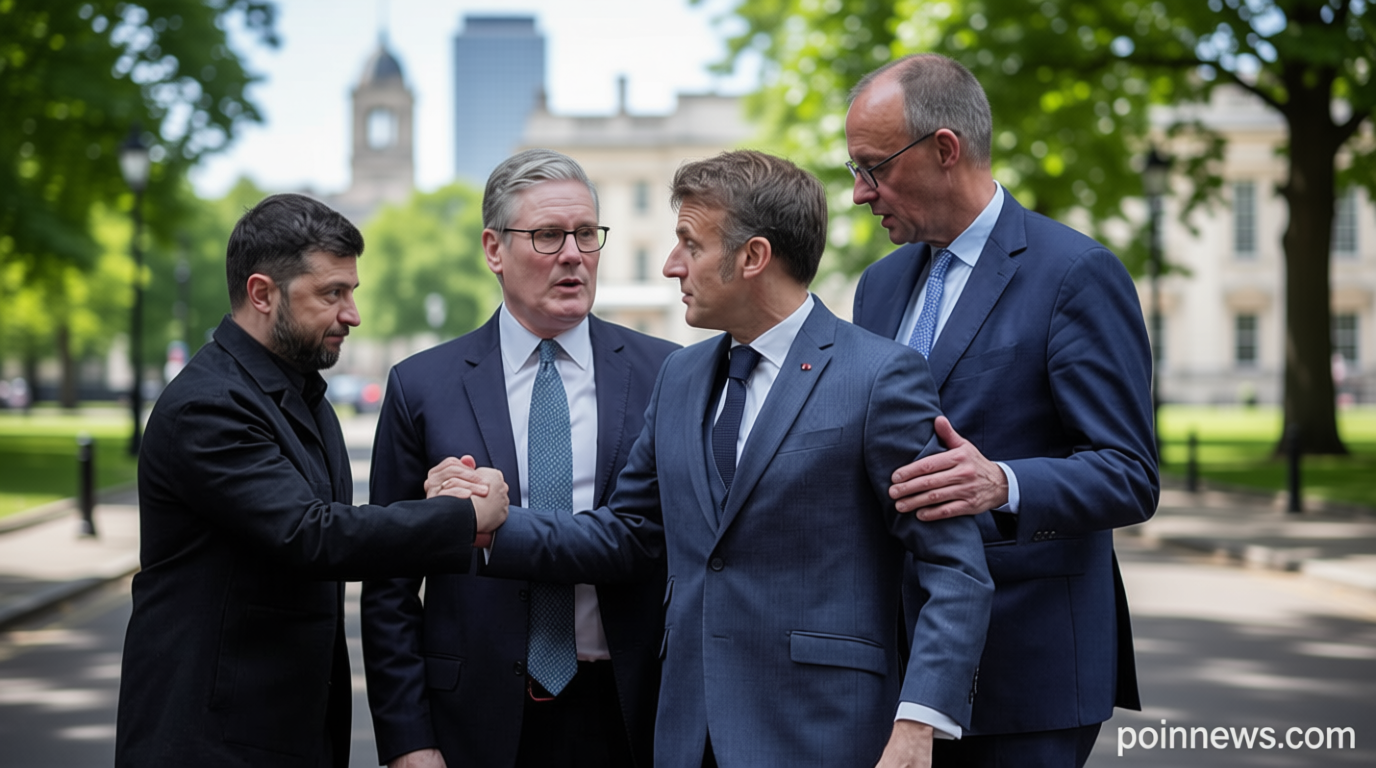
The Ukraine Recovery Conference, scheduled for 25–26 June in Gdańsk, Poland, has become a focal point for European support in rebuilding the war-torn nation. However, the event’s momentum has been challenged by growing tensions between Kyiv and Warsaw. These disputes, centered on a medal ceremony, military unit rebranding, and historical disagreements, have raised concerns about the future of Ukrainian-Polish cooperation. With President Volodymyr Zelenskyy absent and Prime Minister Yuliia Svyrydenko representing the delegation, the conference now hinges on pragmatic negotiations to bridge the divide.
“There is only one happy observer in this type of situation, and that’s the aggressor in Ukraine, so we shouldn’t be playing into their hands,” stated European Commission spokesperson Paula Pinho. This sentiment underscores the EU’s desire to maintain unity in its support for Ukraine while addressing internal disagreements. The newsletter highlights how these tensions could affect the pace of reconstruction and the EU’s ability to present a cohesive front in global diplomacy.
Recent developments have added layers of complexity to the Kyiv-Warsaw relationship. The dispute over the medal, a symbolic gesture of recognition for Ukraine’s resilience, has sparked debates about national pride and political strategy. Meanwhile, the rebranding of a military unit has ignited discussions about historical narratives, with some in Poland accusing Kyiv of downplaying its role in the conflict. The newsletter tracks these evolving narratives, offering insights into how they might shape the conference’s outcomes.
EU-Taliban Talks and Migration Concerns
Amid the Ukraine tensions, the EU has turned its attention to the Taliban, seeking to address migration concerns through diplomatic channels. A recent meeting in Brussels brought European officials together with Taliban representatives to discuss the repatriation of Afghan nationals. This initiative aims to streamline the process of returning irregular migrants, a strategy that has faced criticism from progressive lawmakers and human rights organizations. The newsletter provides a detailed analysis of these talks and their potential impact on EU-Afghan relations.
The United Nations report estimates that 21.9 million people—nearly 45% of Afghanistan’s population—will require humanitarian aid this year. Millions already live in poverty, with limited access to education, particularly for women and girls. UN Human Rights Chief Volker Türk described Afghanistan as “a graveyard for human rights,” emphasizing the dire situation exacerbated by the Taliban’s governance. The newsletter underscores how this crisis intersects with migration policies, drawing attention to the EU’s dual priorities of security and compassion.
The EU’s collaboration with the Taliban has sparked debates about the balance between pragmatic diplomacy and ideological alignment. While the focus is on repatriating Afghan nationals deemed a security threat, questions remain about the selection criteria and the long-term implications of the agreement. The newsletter explores these concerns, highlighting the challenges of maintaining alliances while addressing humanitarian and political risks.
EU Foreign Policy Divides: A New Contention
As the EU grapples with internal divisions, the recent visit of European Commissioner for the Mediterranean, Dubravka Šuica, to Israel has intensified discussions about transparency in foreign policy. This move, which was not prominently advertised on her official page, has drawn scrutiny from critics who argue for more open communication on key decisions. The newsletter reports on how such actions reflect broader tensions within the EU, with some members advocating for stronger ties with Israel and others pushing for a more cautious approach.
European Commissioner for Migration Magnus Brunner is set to address these concerns in an afternoon press conference, where he will outline plans to enhance Europol’s capabilities. The newsletter will closely examine his statements, assessing how the EU intends to manage both migration challenges and geopolitical alliances. This section of the newsletter also highlights the importance of coordinated policies in addressing crises that span continents.
The Newsletter’s Role in Shaping Understanding
By covering these interconnected issues, the newsletter plays a critical role in helping readers grasp the nuanced challenges facing the EU. From the Kyiv-Warsaw rift to the Taliban question, the newsletter provides in-depth analysis and context, ensuring that important developments are not overlooked. With each edition, the newsletter aims to foster informed discussions on how European nations navigate conflicts and partnerships in an ever-changing global landscape.
As the week progresses, the newsletter continues to highlight the multifaceted nature of these challenges. The Ukraine Recovery Conference and EU-Taliban talks represent more than isolated events—they are part of a larger narrative about Europe’s commitment to stability, security, and humanitarian values. The newsletter remains dedicated to unpacking these stories, offering readers a comprehensive view of the political and social dynamics at play.