Video. Lebanon: thousands mark Ashoura in Nabatieh amid rubble left by Israeli strikes
Lebanon Marks Ashoura Amid Israeli Strikes Lebanon - On June 26, 2026, thousands of Lebanese citizens gathered in Nabatieh to commemorate Ashoura, a deeply

Lebanon Marks Ashoura Amid Israeli Strikes
Poinews.com – On June 26, 2026, thousands of Lebanese citizens gathered in Nabatieh to commemorate Ashoura, a deeply significant Islamic observance that honors the martyrdom of Imam Hussein, the grandson of the Prophet Muhammad. Despite the remnants of recent Israeli military strikes that left the city in a state of perpetual tension, the event unfolded with a mix of solemnity and resilience. The streets of Nabatieh, once bustling with life, now bore the scars of conflict, with crumbled buildings and debris scattered across the landscape. This poignant juxtaposition of spiritual reflection and war-torn reality underscored the enduring strength of Lebanon’s Shiite community as they honored their faith in the face of adversity.
The Ashoura Ceremony in Nabatieh
The Ashoura ceremony, held in the heart of Nabatieh, drew participants from all walks of life, from elderly elders to young children, who joined in traditional processions and recitations of elegies. The event, which took place on the 10th day of Muharram—the first month of the Islamic lunar calendar—was a powerful reminder of the historical roots of the observance, tracing back to the 680 AD Battle of Karbala. As the crowd gathered, the rhythmic chants and symbolic rituals created an atmosphere thick with grief and unity, with many using the occasion to express solidarity with their fellow Lebanese citizens who have endured the relentless impact of Israeli strikes.
Symbolism of Tatbir and Community Reactions
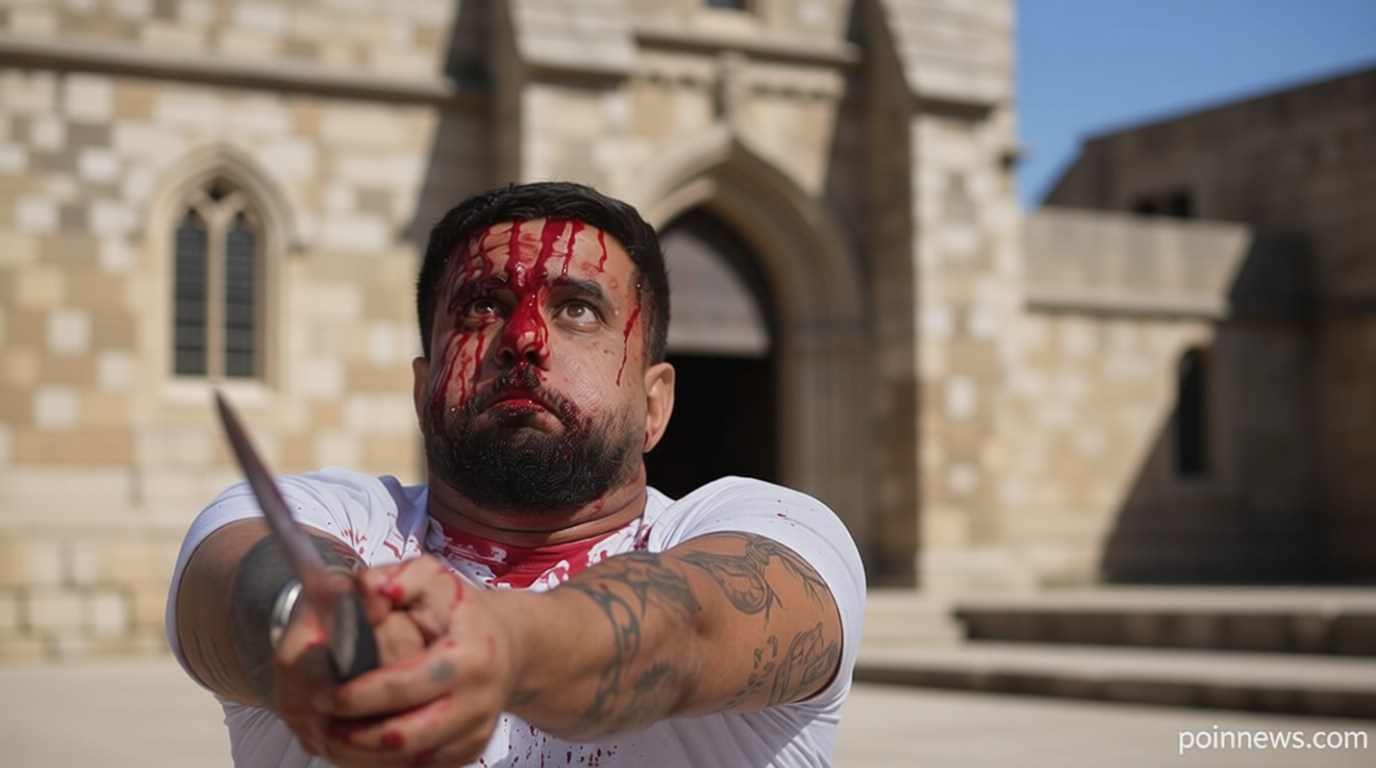
Amid the rituals, a significant portion of the participants engaged in tatbir, a practice involving self-inflicted wounds using blades to symbolize the suffering of Imam Hussein and his followers. This act, while deeply meaningful to some, sparked debate within Lebanon’s Shiite community, with varying interpretations on its role in the broader context of mourning. Hezbollah, a prominent political and military group in Lebanon, has often been seen as a key figure in promoting such rituals, though not all factions within the community share the same perspective. Some view tatbir as an essential expression of devotion, while others argue for a more measured approach to commemorate the event without escalating tensions in the region.
Impact of Israeli Strikes on the Event
Earlier in the day, Israeli strikes had targeted areas in Nabatieh, particularly Nabatieh al-Fawqa, leaving behind a trail of destruction and fear. The presence of these attacks cast a shadow over the Ashoura celebration, with many participants navigating the aftermath of the strikes as they carried religious flags and participated in age-old customs. The resilience of Lebanon’s people was evident in their determination to mark the occasion, even as the scars of conflict remained. Local leaders and community members emphasized that the Ashoura event was not only a religious observance but also a testament to Lebanon’s enduring spirit and unity in the face of ongoing challenges.
Historical Context and Global Significance
Ashoura holds a universal significance for Shiite Muslims worldwide, with millions gathering in cities across the globe to remember the martyrdom of Imam Hussein. In Lebanon, however, the event carries additional weight, as it coincides with the country’s ongoing conflict with Israel. The historical parallels between the 680 AD Battle of Karbala and the current situation in Nabatieh serve as a powerful reminder of the cyclical nature of strife and resistance. As the ceremony progressed, participants shared stories of past struggles, drawing inspiration from the legacy of Imam Hussein to sustain hope and perseverance in their own battles for peace and survival.
Community Solidarity and Future Outlook
The Ashoura event in Nabatieh became a symbol of community solidarity, with locals coming together to support one another amid the chaos of war. Despite the devastation caused by Israeli strikes, the ceremony highlighted the deep-rooted faith and determination of Lebanon’s people. As the sun set over the city, the final prayers echoed through the streets, a reminder of the enduring hope that persists even in the darkest of times. Lebanese officials have expressed that such events are crucial for maintaining morale and fostering a sense of collective identity. Looking ahead, the community remains committed to continuing these traditions, using them as a source of strength in their ongoing struggle for stability and peace in Lebanon.