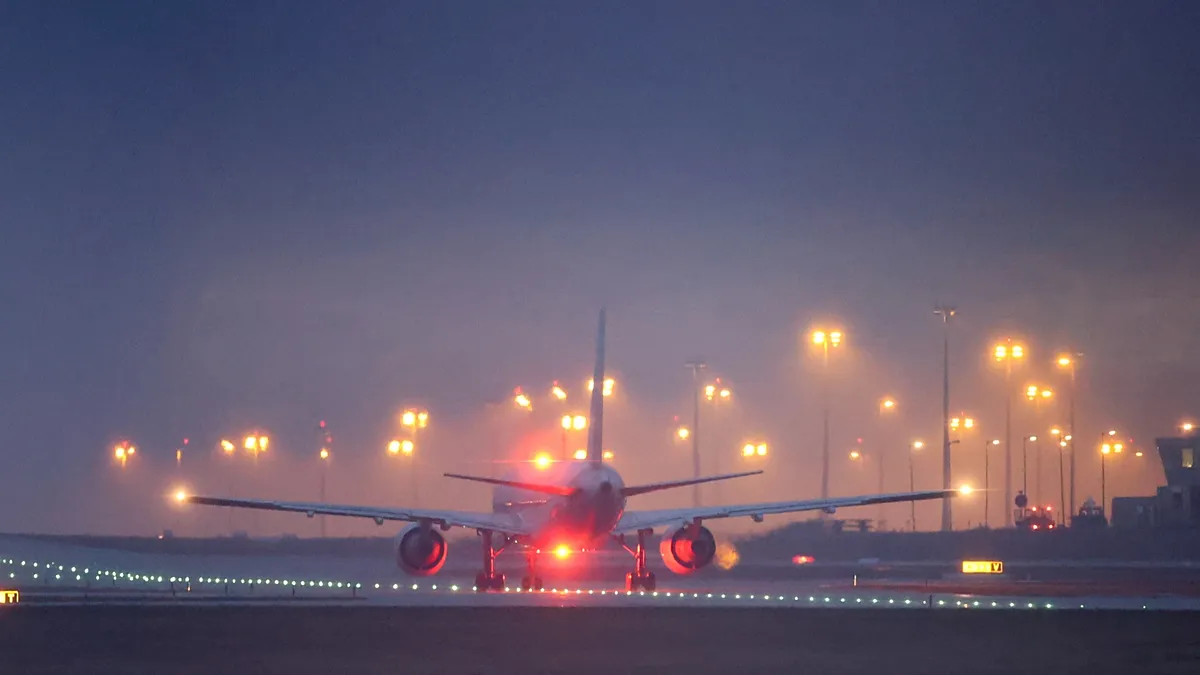
Kyiv and Moscow trade strikes as Ukraine hits arms factory deep in Russia
ting Conflict Kyiv and Moscow trade strikes as Ukraine - As the war between Kyiv and Moscow intensifies, both sides have intensified their aerial exchanges

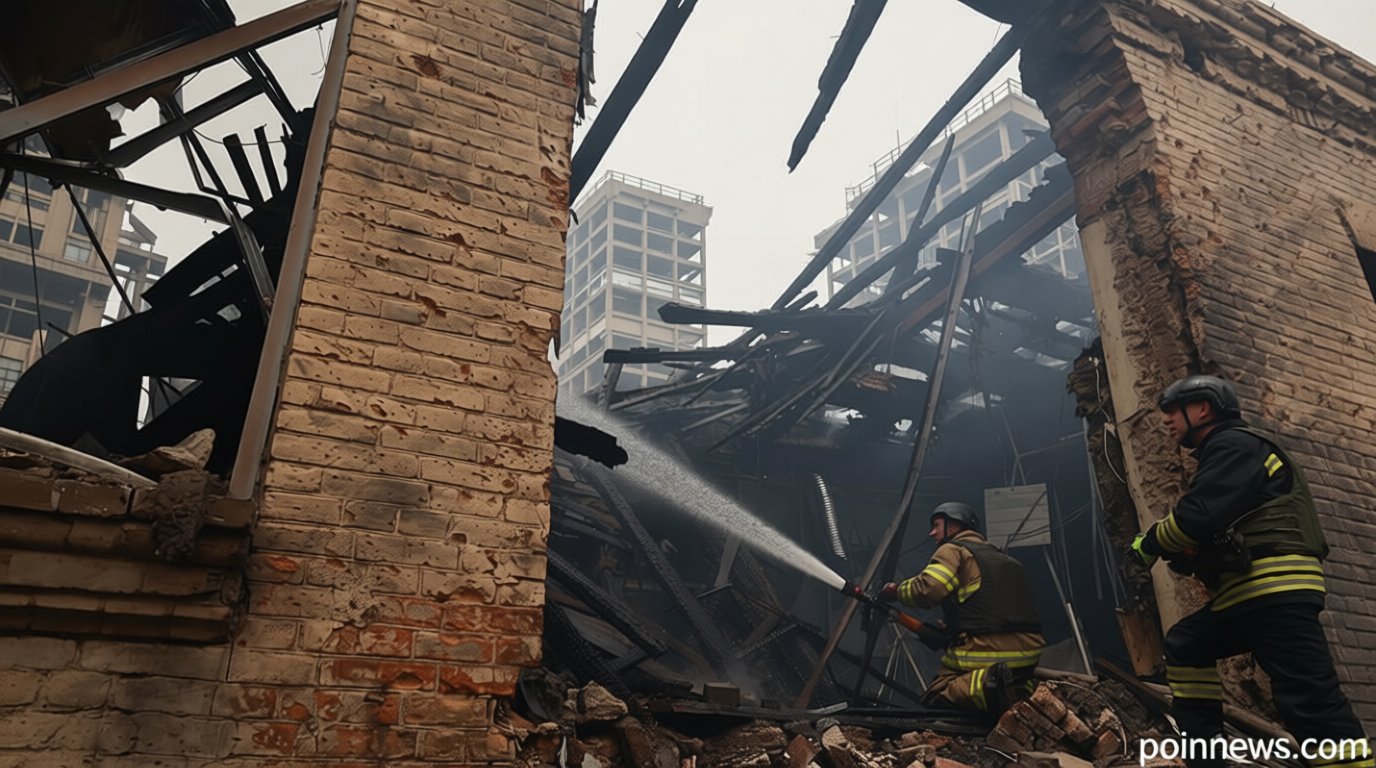
Kyiv and Moscow Exchange Strikes Amid Escalating Conflict
Poinews.com – As the war between Kyiv and Moscow intensifies, both sides have intensified their aerial exchanges, marking a new phase of direct confrontation. Ukrainian forces launched a coordinated strike on a critical Russian arms factory located deep within the country, while Russian airstrikes targeted Ukrainian cities and infrastructure. This back-and-forth pattern of attacks underscores the evolving dynamics of the conflict, with Kyiv and Moscow trade strikes now serving as a hallmark of the ongoing military standoff. The strikes, reported by multiple sources, have not only disrupted supply chains but also escalated tensions between the two nations, drawing attention to the strategic importance of each target.
Russian Strikes Target Key Infrastructure
Russian military operations have increasingly focused on critical infrastructure in Ukraine, including energy, transportation, and defense hubs. In recent days, attacks on Poltava and Kharkiv have primarily targeted facilities linked to the Naftogaz Group, a key player in Ukraine’s energy sector. Ukrainian media claimed that over 129 drones were deployed in these strikes, with 113 intercepted by defensive systems. The remaining drones reportedly struck industrial sites, causing significant damage and disrupting fuel supplies to the western regions. These coordinated attacks, which have intensified in frequency, highlight Moscow’s efforts to weaken Ukraine’s resilience through targeted infrastructure strikes.
Ukrainian Missile Action in Volgograd
Ukraine’s recent strike on the Titan-Barrikady military plant in Volgograd represents a bold move into Russian territory, as Kyiv and Moscow trade strikes continue to reshape the war’s geography. The facility, believed to produce components for the Oreshnik missile system, was hit by Flamingo cruise missiles, according to Telegram channels. The attack confirmed at least two impact points, demonstrating Ukraine’s growing capability to strike deep within Russia. President Volodymyr Zelenskyy’s statement emphasizing the targeting of Russian defense facilities underscores the strategic intent behind these strikes: to disrupt Moscow’s war machine and weaken its capacity to sustain the conflict.
“Every Russian defense facility engaged in the conflict against Ukraine is a valid target for our long-range missile strikes.”
Regional Casualties and Damage
The latest strikes have caused considerable civilian casualties and infrastructure damage across multiple regions. In the southeastern Dnipropetrovsk region, one person was killed and two injured in a drone attack, as reported by regional military administrator Oleksandr Ganja. He noted that the area had endured over 30 attacks, combining drones and aerial bombs to target industrial and residential zones. In the northern Sumy district, a 66-year-old man was among the casualties when a Russian drone struck a residential building, according to regional governor Oleg Grygorov. These incidents reflect the broader pattern of Kyiv and Moscow trade strikes, which have increasingly targeted both military and civilian areas, raising concerns about the war’s impact on everyday life.
Vtorovo Station Under Attack
The Security Service of Ukraine (SSU) confirmed that the Vtorovo oil pumping station was attacked for the second time in June, further illustrating the strategic depth of Kyiv and Moscow trade strikes. This facility, which supplies fuel to Moscow and facilitates oil exports via Baltic Sea ports, was hit by drones, according to preliminary assessments. The attack disrupted fuel supplies, potentially affecting Russia’s ability to sustain its military operations. Such strikes on critical supply lines are becoming a defining feature of the conflict, as Ukraine seeks to cripple Russia’s logistical capabilities through precision bombing.
Escalation of Aerial Campaigns
Russian bombardments have persisted across multiple Ukrainian regions, contributing to a steady rise in civilian casualties and infrastructure damage. Since the full-scale invasion began in February 2022, Moscow’s aerial campaigns have remained a constant threat, intensifying as the war enters its fourth year. The recent exchange of strikes between Kyiv and Moscow trade strikes indicates a shift toward more aggressive tactics, with both sides targeting key facilities to gain a strategic advantage. Analysts suggest that these actions are part of a broader effort to deplete resources and pressure the other side into negotiations, though the conflict shows no signs of slowing.
As the conflict continues, the balance of power between Kyiv and Moscow trade strikes remains a critical factor in determining the war’s outcome. Ukraine’s ability to strike deep within Russia has forced Moscow to rethink its strategy, while the consistent Russian attacks on Ukrainian territory have kept the pressure on Kyiv’s defenses. The interplay of these strikes has become a defining aspect of the war, with each side leveraging its military capabilities to assert dominance. As the conflict evolves, the frequency and scale of Kyiv and Moscow trade strikes are expected to increase, further complicating the already dire situation for both nations.