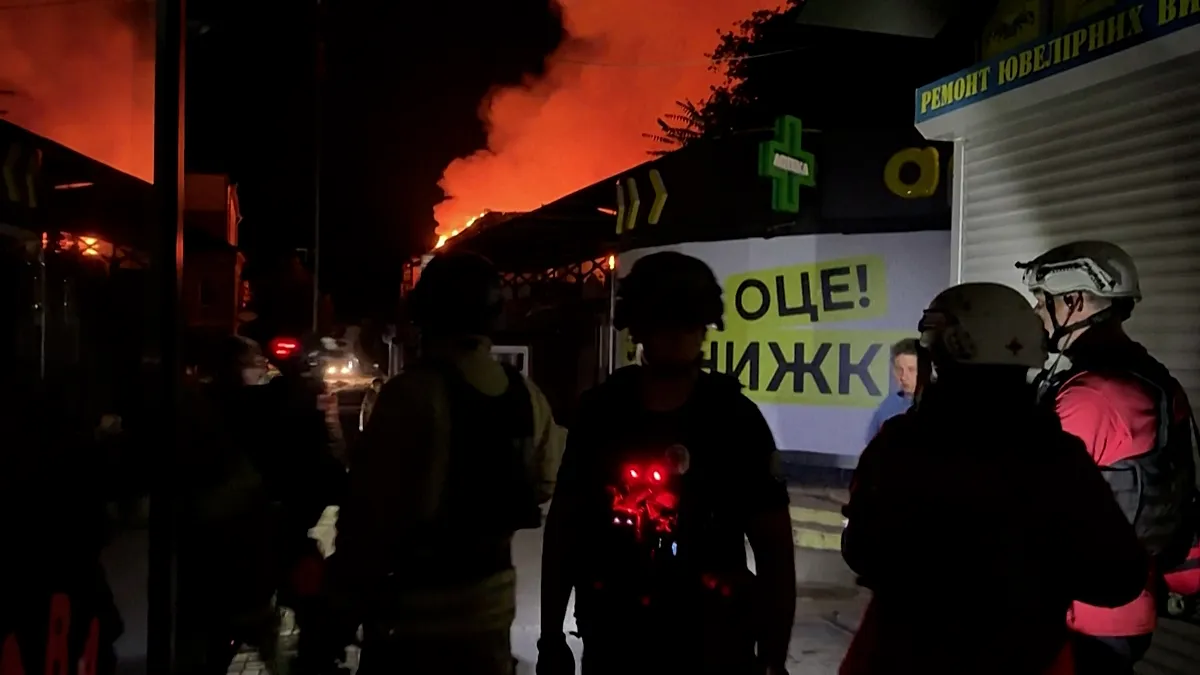
Video. Pakistan airstrikes leave homes in ruins in Afghanistan
e Afghan Homes in Paktia Province Pakistan airstrikes leave homes in ruins - Recent Pakistan airstrikes have left homes in ruins in Afghanistan, escalating

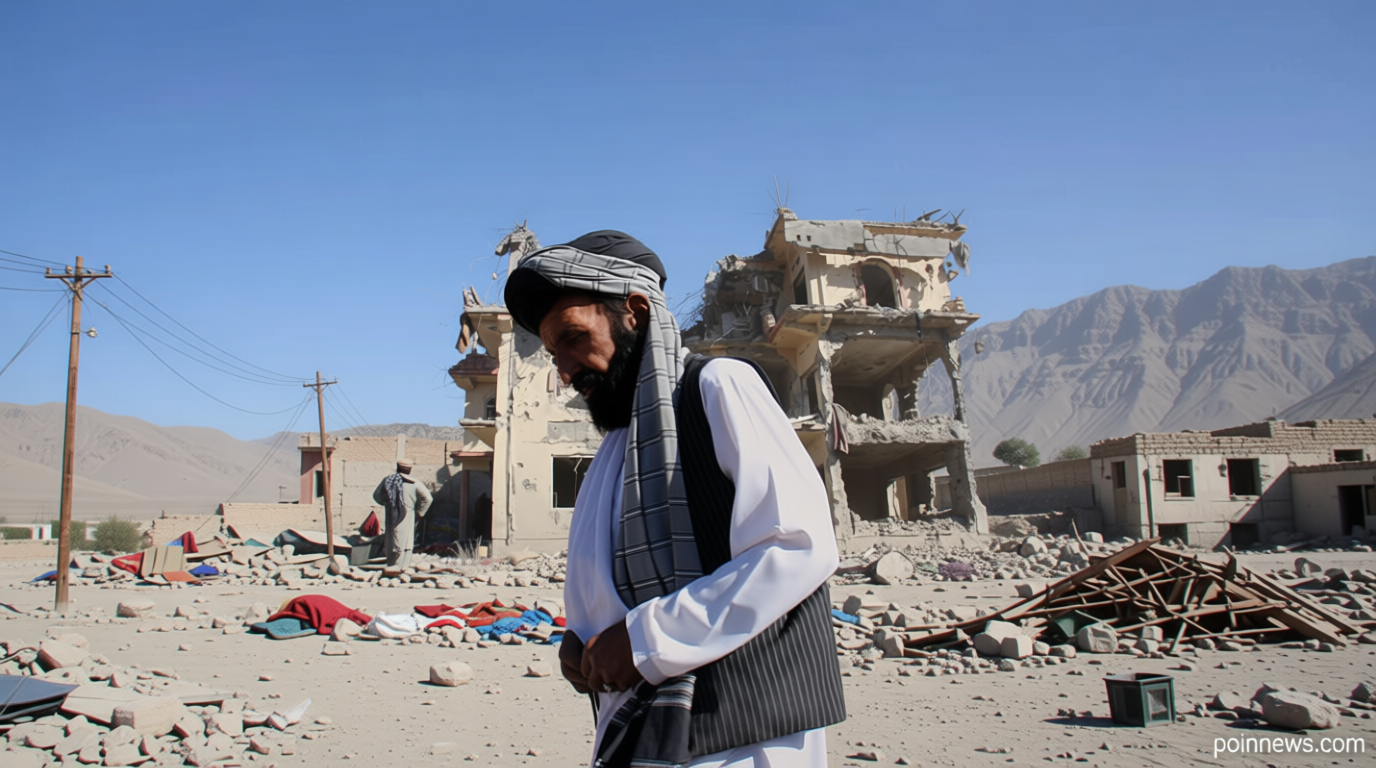
Pakistan Airstrikes Devastate Afghan Homes in Paktia Province
Poinews.com – Recent Pakistan airstrikes have left homes in ruins in Afghanistan, escalating tensions between the two neighboring nations. The attacks, which targeted areas in the Paktia region, have caused significant destruction, with multiple buildings reduced to rubble and countless families displaced. Local officials reported that the strikes occurred overnight, leaving communities in shock as they navigated the aftermath of the devastation. The incident has reignited debates about the role of cross-border military operations in the ongoing conflict, raising concerns about civilian casualties and the impact on daily life.
Immediate Impact and Casualty Reports
Afghan officials confirmed that the airstrikes resulted in 36 civilian deaths and over 160 injuries, with many trapped under collapsed structures. The targeted areas, located near the border, were reportedly hit with precision, but the damage has been extensive, with entire neighborhoods left in ruins. Families are now struggling to recover belongings, with children seen crying amidst the debris and elders attempting to salvage personal items from the wreckage.
The destruction has not only caused physical harm but also deepened the emotional trauma of the affected residents. In the aftermath, rescue teams worked around the clock to locate survivors and provide emergency shelter. Local hospitals reported a surge in patients, with many suffering from severe injuries. The humanitarian crisis is expected to worsen as the situation stabilizes, with aid organizations preparing to assist those in need.
Strategic Justification and Pakistani Claims
Pakistan defended the airstrikes, stating that they targeted militant hideouts in response to recent attacks within its borders. Officials claimed that dozens of militants were killed during the operation, which was aimed at disrupting their activities and preventing further threats to national security. The government emphasized that the strikes were necessary to protect its citizens and maintain stability in the region.
Despite Pakistan’s claims, the attack has sparked outrage in Afghanistan, where leaders view it as an act of aggression. The Paktia region, known for its strategic location, has long been a hotspot for militant activity, but the scale of the destruction has raised questions about the accuracy of Pakistan’s targeting. Reports suggest that the strikes hit both militant and civilian areas, underscoring the challenges of distinguishing between combatants and non-combatants in such operations.
International observers have called for transparency, urging both nations to share detailed information about the strike locations and casualties. The incident has drawn attention to the broader conflict between Pakistan and Afghanistan, which has been fueled by decades of territorial disputes and mutual accusations of supporting insurgent groups. Analysts warn that such attacks could further strain diplomatic relations and increase the risk of retaliatory measures.
Historical Context of Cross-Border Tensions
The current airstrikes are part of a pattern of cross-border military actions that have characterized the relationship between Pakistan and Afghanistan for years. Historically, Pakistan has been accused of harboring Taliban militants, who have launched attacks into Afghanistan, often targeting government and civilian infrastructure. In response, Afghan forces have periodically retaliated, with airstrikes and drone attacks striking back into Pakistani territory.
This cycle of retaliation has created a volatile situation, with both nations using each other as a proxy in the larger fight against extremism. The Paktia region, situated along the border, has become a focal point of this conflict due to its proximity to militant strongholds. The airstrikes highlight the ongoing struggle to balance military objectives with the protection of civilian populations, a challenge that has plagued the region for years.
Experts argue that while Pakistan’s actions are justified as a counterinsurgency measure, the human cost remains a critical issue. The destruction of homes and the loss of life have not only affected local communities but also intensified the humanitarian crisis in Afghanistan. With over 20 million people already displaced due to the war, these strikes could push the situation to a breaking point, forcing international aid efforts to scale up.
As the dust settles in Paktia, the focus remains on the immediate aftermath and the long-term implications of the airstrikes. The destruction of homes in ruins has become a symbol of the broader conflict, with both sides pointing to the other as the primary cause of the suffering. The incident has also prompted discussions about the need for a unified strategy to address the root causes of the violence and ensure the safety of civilians in the region.