Video. Thousands of migrants queue for repatriation in South African camps
Video: Thousands of Migrants Queue for Repatriation in South African Camps Thousands of migrants queue for repatriation - In the bustling outskirts of Durban

Video: Thousands of Migrants Queue for Repatriation in South African Camps
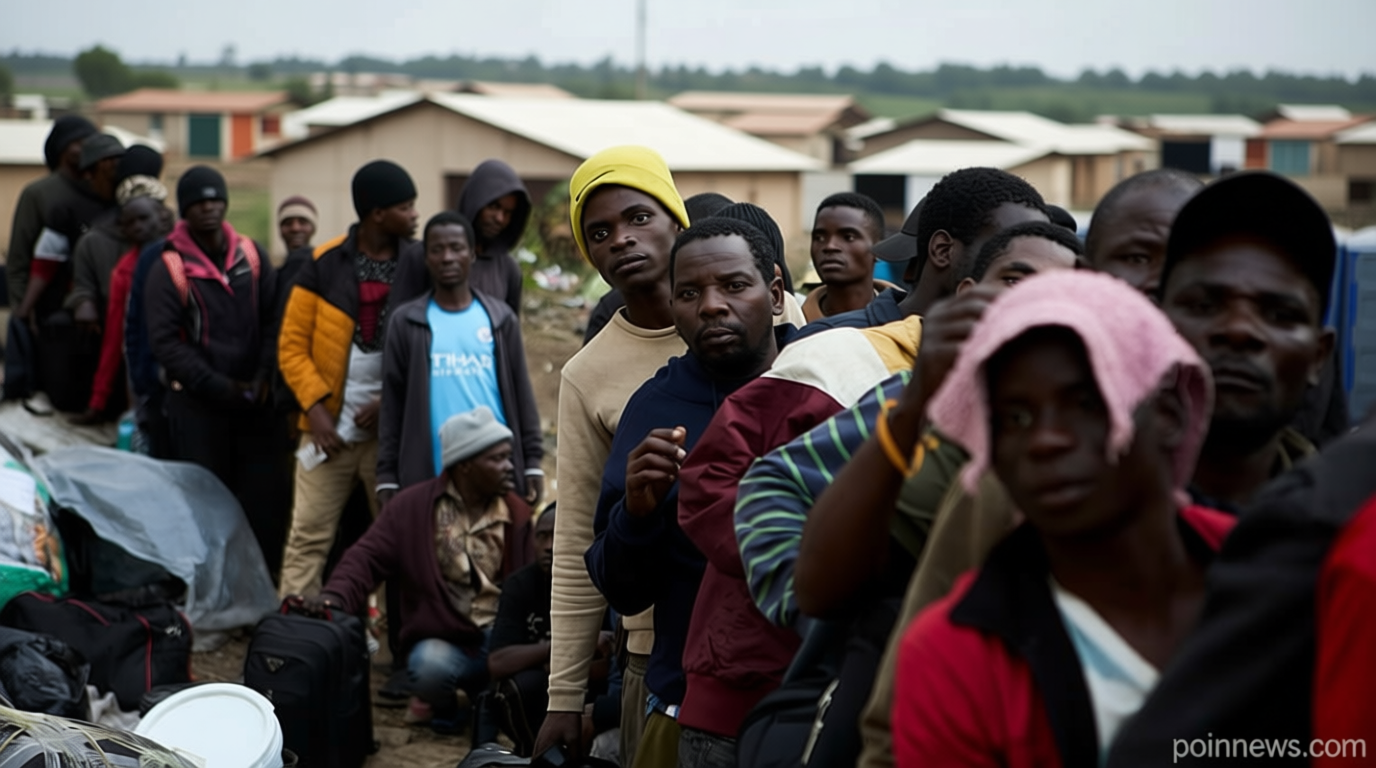
Poinews.com – In the bustling outskirts of Durban, South Africa, a striking scene unfolded as thousands of migrants gathered in orderly lines at makeshift camps, awaiting their turn to embark on repatriation journeys back to their home countries. The focus keyword thousands of migrants queue for repatriation highlights a growing trend in the region, where migration has become a central issue. These camps, often set up in response to shifting policies, serve as temporary hubs where families, including children, gather with personal belongings, preparing for long journeys. The sight of hundreds of people waiting patiently in the heat underscores the human dimension of this logistical challenge, as officials and volunteers work tirelessly to streamline the process.
The Repatriation Process and Its Implications
Repatriation efforts in South Africa have intensified in recent months, driven by a combination of economic pressures and political decisions. Officials are reviewing identification documents, while volunteers ensure that essential supplies like food and water are distributed to those in line. The process, which involves multiple steps, reflects the country’s determination to manage its migrant population efficiently. Despite the challenges of the journey, the focus remains on facilitating the return of undocumented migrants, with regional governments collaborating to create structured exit plans. This shift has sparked debates about the balance between border control and humanitarian considerations.
Escalating Tensions and Policy Drivers
As thousands of migrants queue for repatriation, the situation in South African camps has become a focal point for rising tensions. An unofficial deadline, announced in late June, has accelerated the departure of approximately 15,000 Malawian migrants, many of whom lack valid documentation. This policy-driven urgency has created a climate of anxiety, with families scrambling to prepare for the journey. Officials emphasize that the repatriation initiative aims to alleviate pressure on local resources and address concerns about overcrowding. However, critics argue that the timeline may be too rigid, leaving some migrants without sufficient time to settle their affairs.
Meanwhile, the repatriation process has drawn attention to the broader migration crisis affecting the region. With South Africa serving as a transit point for migrants from neighboring countries, the camps have become microcosms of the larger challenges faced by displaced populations. Migrants, who have often traveled long distances with limited means, now face the added burden of coordinating their return. The interplay between personal aspirations and governmental mandates has created a complex dynamic, where individuals navigate bureaucratic hurdles while seeking stability. This highlights the intersection of migration policies and the lived experiences of those impacted.
Conditions in the Camps and Human Impact
Conditions in these camps are challenging, marked by dense crowds, unmanaged waste, and restricted access to basic services.
The hardships faced by migrants are evident in the overcrowded spaces and limited resources. Despite the efforts to organize the queue, many individuals struggle with the physical and emotional toll of the repatriation process. Children, in particular, are visible in the crowds, their faces often weary from long waits and the uncertainty of their return. The camps, which have become temporary sanctuaries, are also testaments to the resilience of those seeking to reunite with families in their home countries.
The thousands of migrants queue for repatriation phenomenon has underscored the importance of community support. Volunteers, often local residents or humanitarian workers, play a crucial role in ensuring that migrants receive guidance and sustenance during this transitional phase. However, the sheer scale of the effort has also exposed gaps in infrastructure and resources. With limited facilities, many migrants rely on shared spaces for rest and shelter, creating a sense of solidarity amid adversity. The situation has sparked discussions about the need for more sustainable solutions to manage the flow of migrants and reduce the strain on temporary camps.
Regional Collaboration and Security Measures
Enhanced security measures have been implemented in response to recent incidents targeting foreign nationals, with regional governments collaborating to strengthen the repatriation process. The initiative involves not only South Africa but also neighboring countries like Malawi and Mozambique, which have established coordination mechanisms to facilitate the return of their citizens. This regional effort has helped to create a more efficient system, though challenges remain in ensuring the safety of migrants during transit. The repatriation process has also led to the deployment of additional personnel at border checkpoints, with the goal of expediting departures and preventing overcrowding.
As the thousands of migrants queue for repatriation, the camps have become a symbol of both urgency and organization. The logistics of moving such a large number of people require careful planning, with buses and transportation hubs operating on strict schedules. This level of coordination has improved the efficiency of the repatriation process, but it has also highlighted the need for long-term strategies to address the root causes of migration. The situation in South African camps serves as a microcosm of the global challenge, where human movement is shaped by a mix of economic, political, and social factors.
The repatriation initiative has sparked conversations about the future of migration policies in the region. While the immediate goal is to manage the influx of migrants, the long-term implications remain uncertain. Some argue that the program will help reduce the number of undocumented migrants, while others warn that it may lead to a new wave of displacement if the underlying issues—such as unemployment and poverty—remain unaddressed. As thousands of migrants queue for repatriation, the human stories behind the numbers continue to shape the narrative, reminding the world of the personal stakes involved in these large-scale efforts.