Starmer sets out to strengthen UK and European defence with cash for drones and AI systems
Starmer seeks to bolster UK and European defense with funding for drones and AI systems Starmer sets out to strengthen UK - Prime Minister Keir Starmer has

Starmer seeks to bolster UK and European defense with funding for drones and AI systems
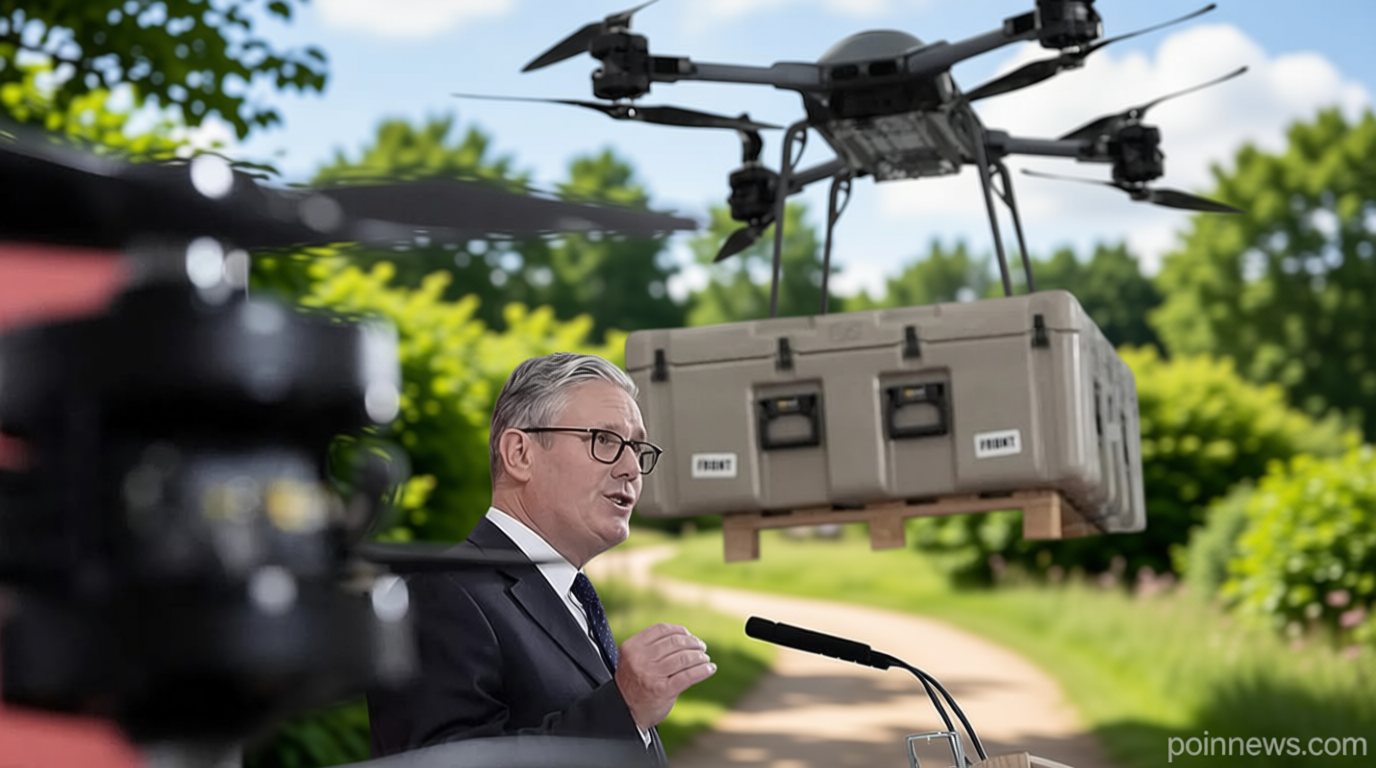
Poinews.com – Prime Minister Keir Starmer has launched a comprehensive defense initiative aimed at enhancing the UK’s military capabilities and strengthening ties with European allies. The plan, unveiled through the Defence Investment Plan, commits to raising defense spending to £80 billion (€92.8 billion) by 2029. This strategy focuses on modernizing the armed forces with advanced technologies like stealth fighter jets, submarines, and precision-guided warheads, while allocating £5 billion (€5.8 billion) specifically to drone development. Starmer highlighted that this investment marks the largest ever UK commitment to unmanned systems, signaling a shift toward autonomous and intelligent warfare.
Revolutionizing warfare with AI and drones
The plan underscores the growing importance of artificial intelligence and unmanned aerial vehicles in contemporary military operations. Starmer emphasized that the integration of AI into defense systems will enable faster decision-making and improved surveillance. During a press conference, he outlined the vision for “hybrid” naval vessels equipped with AI capabilities, which will work in tandem with smaller, radar-evading drones to conduct covert missions. These drones will complement the RAF’s Typhoon fighters, offering real-time data and targeting support. The initiative also includes a focus on “deep precision strike weapons,” which Starmer claimed will enhance the UK’s ability to respond to emerging threats in Europe.
“We will build an army that is ten times more lethal, with attack drones flying alongside our Apache helicopters, a new fleet of surveillance drones collecting intelligence and finding targets, and a surge in low-cost one-way attack drones which have proved so effective in Ukraine,” Starmer stated.
The UK’s investment in drones is part of a broader effort to align with European defense priorities. Starmer’s plan includes collaboration with nations like Germany to develop shared capabilities, such as AI-driven command systems and drone networks. This partnership is seen as critical for addressing Russia’s expanding military presence in the region. The Ministry of Defence has also announced the creation of the “Uncrewed Systems Centre,” a 50,632 square metre facility dedicated to testing and innovating drone technology. The center is expected to become a hub for European research and development, fostering cross-border cooperation in defense tech.
Healey’s resignation and strategic concerns
Starmer’s defense plan came into focus just days after Defence Secretary John Healey resigned, citing concerns over the initial budget’s adequacy. Healey argued that the current funding levels would not meet NATO’s 3.5 percent GDP defense spending target by 2035, a key benchmark for collective security. In his resignation letter, he warned that the UK’s military posture remains “well short” of what is needed to counter growing threats. Starmer, however, defended the plan, stating that the increased investment will allow for stronger European defense coordination and greater autonomy in strategic decision-making.
At a parliamentary session following the plan’s release, Healey reiterated his warnings, stressing the urgency of securing a “clear, credible funding plan” before potential Russian aggression. He highlighted the importance of sustained financial commitment, noting that the UK must demonstrate leadership in the face of global instability. Despite these concerns, Starmer remains confident that the proposed measures will not only secure the nation’s defenses but also reinforce alliances across Europe. The plan’s timing coincides with the upcoming NATO summit in Ankara, where leaders will discuss strategies to meet defense spending goals and address evolving security challenges.
The Defence Investment Plan is part of a larger vision to reposition the UK as a key player in European defense. By investing in AI and drones, the government aims to bridge gaps in traditional military capabilities while fostering innovation. Starmer’s emphasis on autonomous systems reflects a recognition of the changing battlefield, where speed and precision often determine outcomes. The funding for drones is expected to accelerate the UK’s transition from manned to unmanned operations, with potential applications in surveillance, logistics, and combat. This shift could redefine the role of European nations in collective security, emphasizing technological synergy over conventional troop deployments.