Death toll from Venezuela earthquakes climbs to 1,943
Death Toll from Venezuela Earthquakes Reaches 1,943 Death toll from Venezuela earthquakes climbs - The death toll from Venezuela earthquakes has surged to

Death Toll from Venezuela Earthquakes Reaches 1,943
Poinews.com – The death toll from Venezuela earthquakes has surged to 1,943, according to officials, as the country grapples with the aftermath of two devastating seismic events that struck the northern region in late June. The magnitude 7.2 and 7.5 earthquakes, which occurred on June 24, have not only claimed lives but also left thousands injured and displaced, highlighting the severity of the crisis. The government, led by Acting President Delcy Rodríguez, has been working to coordinate relief efforts, while international organizations have pledged support to address the widespread damage and humanitarian needs.
Earthquakes and Aftershocks: A Timeline of Catastrophe
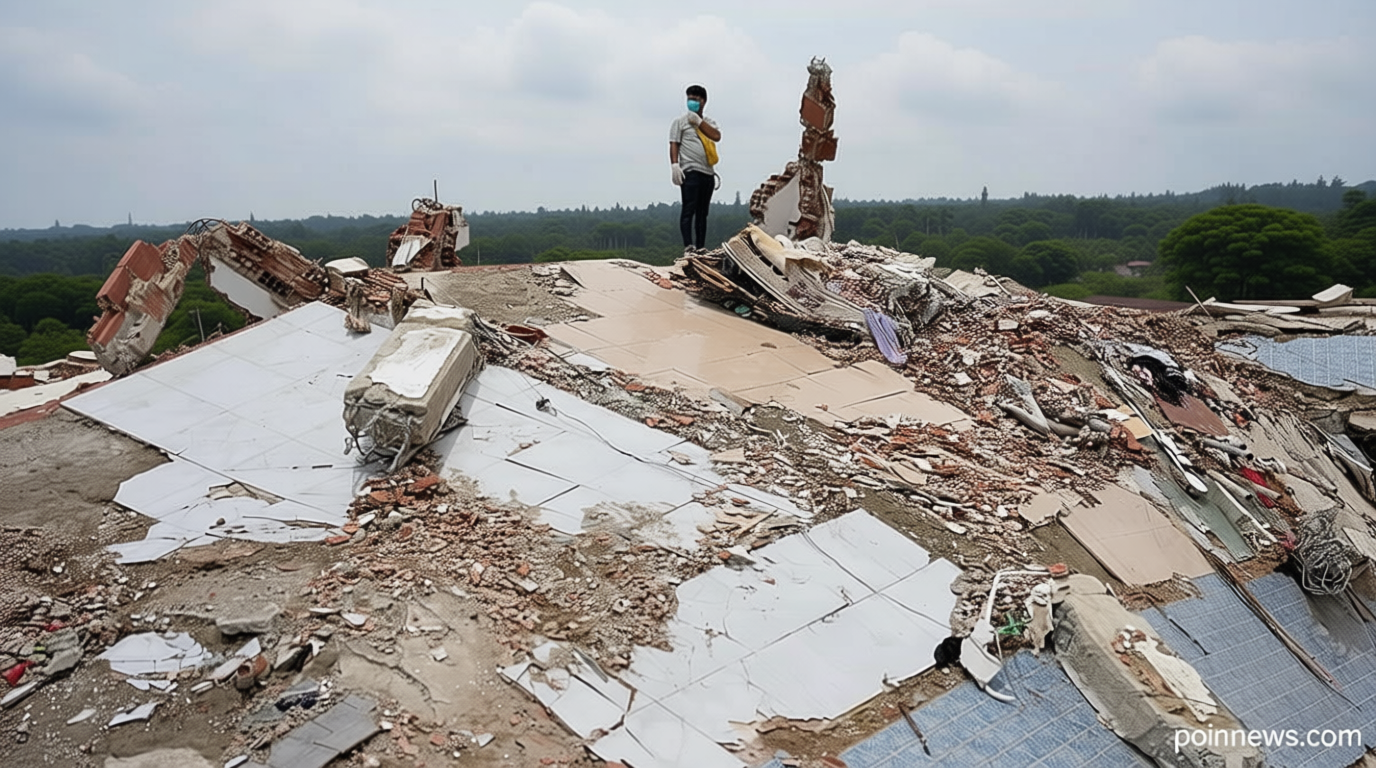
The first earthquake, measuring 7.2 on the Richter scale, struck at 8:45 p.m. local time on June 24, shaking the cities of Maracaibo and Cariaco. The second, more powerful tremor with a magnitude of 7.5, followed within hours, triggering massive structural collapses and triggering a series of aftershocks that continued for days. These quakes, the strongest to hit Venezuela in over a decade, have caused widespread devastation in regions already vulnerable to natural disasters due to their geographical location and aging infrastructure.
“The earthquakes have left 10,571 individuals injured and 28,380 receiving medical attention in hospitals or temporary shelters,” stated Jorge Rodríguez, the head of Venezuela’s National Assembly. The scale of the disaster has underscored the urgent need for both immediate response and long-term recovery planning, as the death toll from Venezuela earthquakes continues to rise.
Authorities have confirmed that the death toll from Venezuela earthquakes has climbed steadily since the initial tremors, with search and rescue operations still ongoing. The first 72-hour window, critical for survival, has now passed, yet many victims remain trapped under rubble, prompting calls for increased international assistance. The National Emergency Commission has reported that over 6,450 people have been rescued so far, but thousands are still missing, raising concerns about the potential for further casualties as debris continues to shift and buildings collapse.
Rescue Operations and International Support: A Global Effort
Emergency teams, including military personnel and volunteers, have been tirelessly working to locate survivors in the rubble-strewn cities of northern Venezuela. With the death toll from Venezuela earthquakes now at 1,943, the scale of the operation has necessitated a coordinated effort between local authorities and international agencies. Over 3,681 rescuers from 30 countries have joined the mission, bringing advanced equipment and expertise to the region. This global collaboration has been crucial in navigating the unstable terrain and accessing hard-to-reach areas where survivors are still being found.
“3,681 rescuers from 30 countries have joined the search efforts,” noted Delcy Rodríguez, Venezuela’s acting president. The international support has also extended to the delivery of over 1,000 tons of supplies, 27 vehicles, and 118 search dogs, which have been deployed to aid in the rescue and recovery operations. These efforts reflect the severity of the disaster and the importance of maintaining a strong focus on the death toll from Venezuela earthquakes as the situation evolves.
As the search for survivors continues, the death toll from Venezuela earthquakes remains a central concern for both the government and the global community. The affected regions, including the states of Zulia and Falcón, have seen a dramatic increase in casualties, with many families forced to relocate to makeshift shelters. The ongoing operations have also revealed the challenges of coordinating relief in a country with limited resources, emphasizing the need for sustained international aid and cooperation.
Humanitarian Impact: The Struggle for Survival
The humanitarian crisis in Venezuela following the earthquakes has intensified, with over 1.8 million people estimated to require urgent aid, including 680,000 children. The United Nations Development Programme has calculated that the direct physical damage from the death toll from Venezuela earthquakes could cost an estimated $6.7 billion, affecting critical infrastructure such as homes, schools, and hospitals. The destruction has left many without access to clean water, electricity, and basic medical care, compounding the challenges faced by communities already struggling with economic hardship.
“The earthquakes have left a devastating impact on the country’s infrastructure and population,” said UNICEF officials. The organization has been working closely with the government to assess the needs of affected families and distribute essential supplies. As the death toll from Venezuela earthquakes climbs, the focus remains on providing relief to those displaced and ensuring their access to food, shelter, and healthcare in the wake of the disaster.
Thousands of Venezuelans have been forced to seek refuge in crowded shelters, with reports indicating that the number of displaced individuals has exceeded 150,000. The government has prioritized the distribution of blankets, food, and water, while local NGOs have stepped in to provide additional support. However, the logistical challenges of delivering aid to remote areas have slowed progress, prompting calls for more resources and better coordination to meet the growing demands of the crisis.
Community Response and Resilience: Stories from the Ground
Amid the chaos of the death toll from Venezuela earthquakes, communities in northern Venezuela have shown remarkable resilience. Local residents have taken it upon themselves to organize relief efforts, sharing resources and forming support networks to help their neighbors. In Maracaibo, for example, volunteers have been manually clearing debris from collapsed buildings, while families have pooled their savings to fund temporary shelters. These grassroots efforts have been critical in the absence of immediate government support, though the scale of the disaster has overwhelmed even the most dedicated individuals.
“We are working day and night to save our loved ones,” said one survivor in Cariaco. The emotional toll of the death toll from Venezuela earthquakes has been equally significant, with many families mourning the loss of relatives and grappling with the uncertainty of their own safety. Despite the devastation, there is a strong sense of solidarity among Venezuelans, who are determined to rebuild their lives and communities in the face of adversity.
Religious leaders and community organizations have also played a key role in providing emotional and spiritual support to those affected. Masses have been held in makeshift shelters to offer comfort and hope, while churches have distributed food and medical supplies to the most vulnerable. These efforts, though not a substitute for government action, have helped maintain morale and ensure that the death toll from Venezuela earthquakes is not the only measure of the disaster’s impact.
Looking Ahead: The Road to Recovery
As the death toll from Venezuela earthquakes stabilizes, attention is shifting toward long-term recovery and rebuilding efforts. The government has announced plans to allocate additional funds for reconstruction, though the economic challenges of the country may hinder progress. International donors have also expressed interest in supporting the recovery, with some pledging financial aid to help restore infrastructure and provide long-term aid to affected families.
Experts warn that the death toll from Venezuela earthquakes may continue to rise in the coming days as more casualties are identified. The region’s vulnerability to aftershocks and the slow pace of rescue operations have left many in fear. Scientists have also called for increased monitoring of seismic activity to better predict future tremors and prepare communities for potential further damage. The earthquakes have served as a stark reminder of the importance of disaster preparedness and the need for robust emergency response systems in Venezuela.
With the death toll from Venezuela earthquakes now at 1,943, the situation remains dire, but there is cautious optimism about the international support pouring in. The collaboration between local and global efforts has not only saved lives but also provided a glimmer of hope for the future. As the nation begins the long process of recovery, the resilience of Venezuelans and the solidarity of the international community will be essential in mitigating the long-term effects of the disaster.