France’s Emmanuel Macron speaks out against global rise in executions
France's Emmanuel Macron Speaks Out Against Global Rise in Executions France s Emmanuel Macron speaks out against - During a pivotal address at the ninth

France’s Emmanuel Macron Speaks Out Against Global Rise in Executions
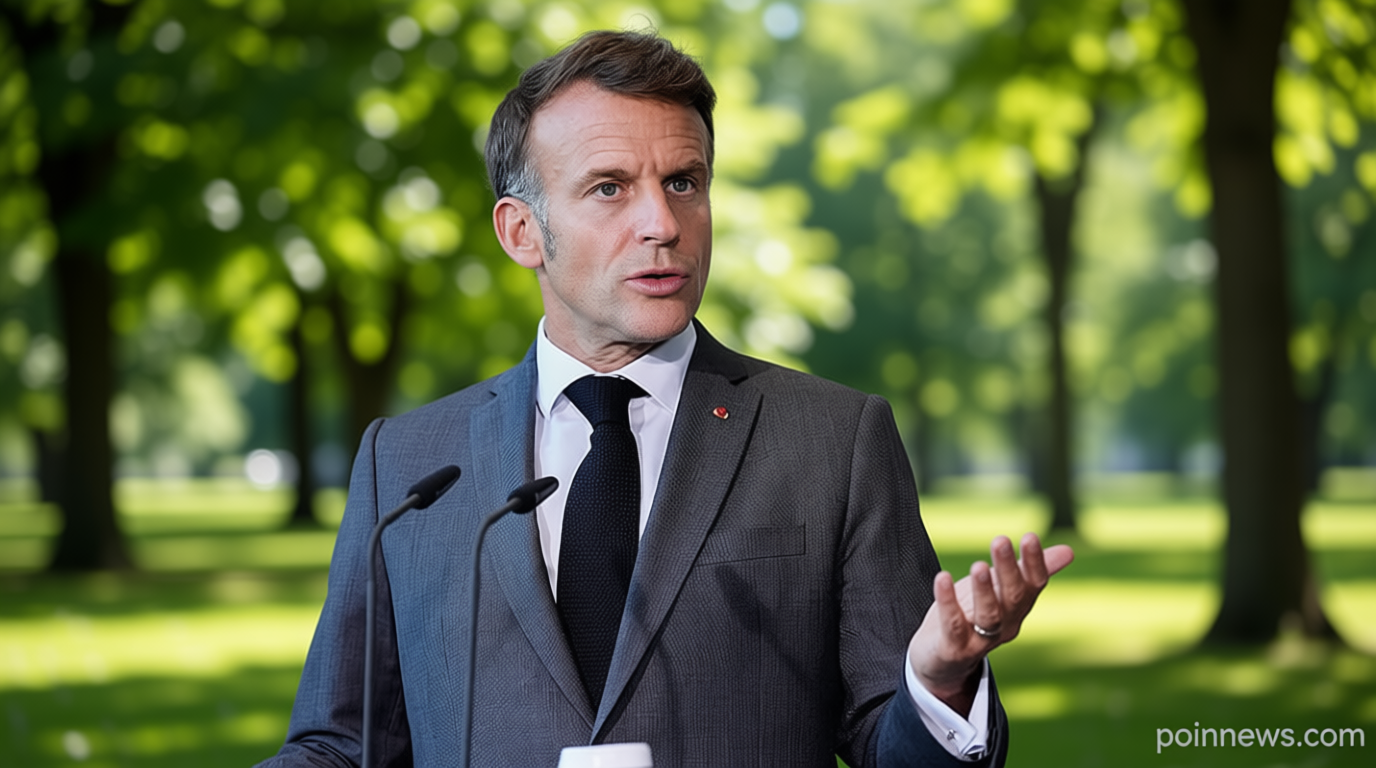
Poinews.com – During a pivotal address at the ninth World Congress Against the Death Penalty in Paris, French President Emmanuel Macron delivered a strong critique of the escalating global use of capital punishment. The event, organized by the NGO Together Against the Death Penalty, brought together international leaders, activists, and legal experts to examine the persistence of executions in various regions. Macron’s remarks underscored his commitment to human rights, as he highlighted the growing number of executions worldwide and called for a unified global effort to abolish the practice. His speech emphasized that France’s leader remains a vocal advocate for ending the death penalty, even as its resurgence in certain countries raises concerns about its continued relevance in modern justice systems.
Global Execution Trends and Key Players
Recent reports from the congress revealed a significant increase in the number of executions, reaching a level not seen since 1981. In 2024 alone, 2,707 individuals were executed across 17 nations, with China, Iran, Saudi Arabia, and Iraq leading the way. China’s execution rate alone accounted for nearly half of the total, while Iran’s figure of 1,639 marked the highest since 1989. These statistics, shared by the Iran Human Rights NGO and other monitoring groups, paint a picture of a global trend where authoritarian regimes and countries with traditional legal systems are increasingly turning to the death penalty. Macron pointed out that this surge is not just a regional issue but a challenge to international human rights progress.
“The death penalty has never made a society safer,” Macron asserted, noting that its use lacks the deterrent effect many governments claim. “It’s crazy. It has been demonstrated, observed, and measured that the death penalty does not act as a deterrent, and it’s often used to justify harsher punishments in politically charged cases.” His argument aligns with findings from international studies, which suggest that the death penalty is more symbolic than practical in reducing crime. Macron’s emphasis on this point aimed to challenge the notion that executions are a necessary tool for justice in the modern era.
Regional Concerns and Legislative Developments
Macron also voiced alarm over recent legislative moves in regions like the Sahel and Israel, where the death penalty is being reintroduced or expanded. In March 2024, the Israeli parliament passed a law that reinstated the death penalty for Palestinians convicted of terrorism-related offenses, sparking debates about its fairness and proportionality. Meanwhile, in December 2023, Burkina Faso’s military junta overturned a moratorium on executions, reigniting fears of a return to brutal justice practices. These developments prompted Macron to stress the importance of maintaining international standards for human rights, urging other nations to follow France’s example in the fight against capital punishment.
France, which abolished the death penalty in 1981, has long been a leader in advocating for its global elimination. Macron’s speech reinforced this legacy, positioning France as a key player in international human rights diplomacy. He cited recent progress in countries like Zambia and Zimbabwe, which joined the global abolition movement by formally ending the death penalty in 2023. However, he also acknowledged that challenges remain, particularly in regions where political instability or cultural traditions support its use. Macron’s remarks aimed to inspire further action, emphasizing that while the death penalty is still prevalent, its abolition is within reach for all nations.
Macron’s Advocacy and International Collaborations
Earlier in the congress, French Foreign Minister Jean-Noël Barrot had engaged in discussions with the United Nations High Commissioner for Human Rights, Volker Türk, underscoring France’s dedication to human rights advocacy. Barrot reaffirmed France’s support for the High Commissioner’s office, which works to document violations and promote justice worldwide. This collaboration aligns with Macron’s broader strategy to strengthen international alliances against the death penalty. He also endorsed the launch of the Global Alliance for Human Rights, a coalition designed to unite nations in their efforts to uphold fundamental rights and reduce reliance on capital punishment. Such initiatives reflect France’s commitment to leading by example in the global fight for human rights.
The French president’s speech highlighted the need for continued dialogue and action, as the death penalty remains a contentious issue across the globe. While some countries have made strides toward abolition, others continue to rely on it for punishment. Macron argued that the global rise in executions threatens to undermine decades of progress, calling for a renewed focus on justice, equality, and the protection of human rights. His words, delivered with a blend of urgency and hope, resonated with attendees, many of whom shared his vision of a world where executions are a relic of the past. As the congress concluded, the pressure for reform grew, with Macron’s leadership serving as a catalyst for renewed international efforts.
With the death penalty still prevalent in parts of the world, Macron’s advocacy underscores the importance of sustained political will and public awareness. He urged nations to consider the long-term implications of capital punishment, emphasizing that its use often perpetuates cycles of violence and inequality. By speaking out against the global rise in executions, France’s leader has reinforced the country’s position as a champion of human rights, while also highlighting the need for collective action to protect vulnerable populations from state-sanctioned killing. The congress, therefore, not only served as a platform for Macron’s message but also as a reminder that the fight against the death penalty is far from over, requiring the participation of leaders, activists, and citizens alike.