MEPs clash in The Ring over the right answers to Europe’s scorching heat dome
s and Climate Action MEPs clash in The Ring over - MEPs clash in The Ring as they debate the EU’s response to Europe’s escalating heat crisis, a phenomenon

MEPs Clash in The Ring Over Europe’s Heat Crisis and Climate Action
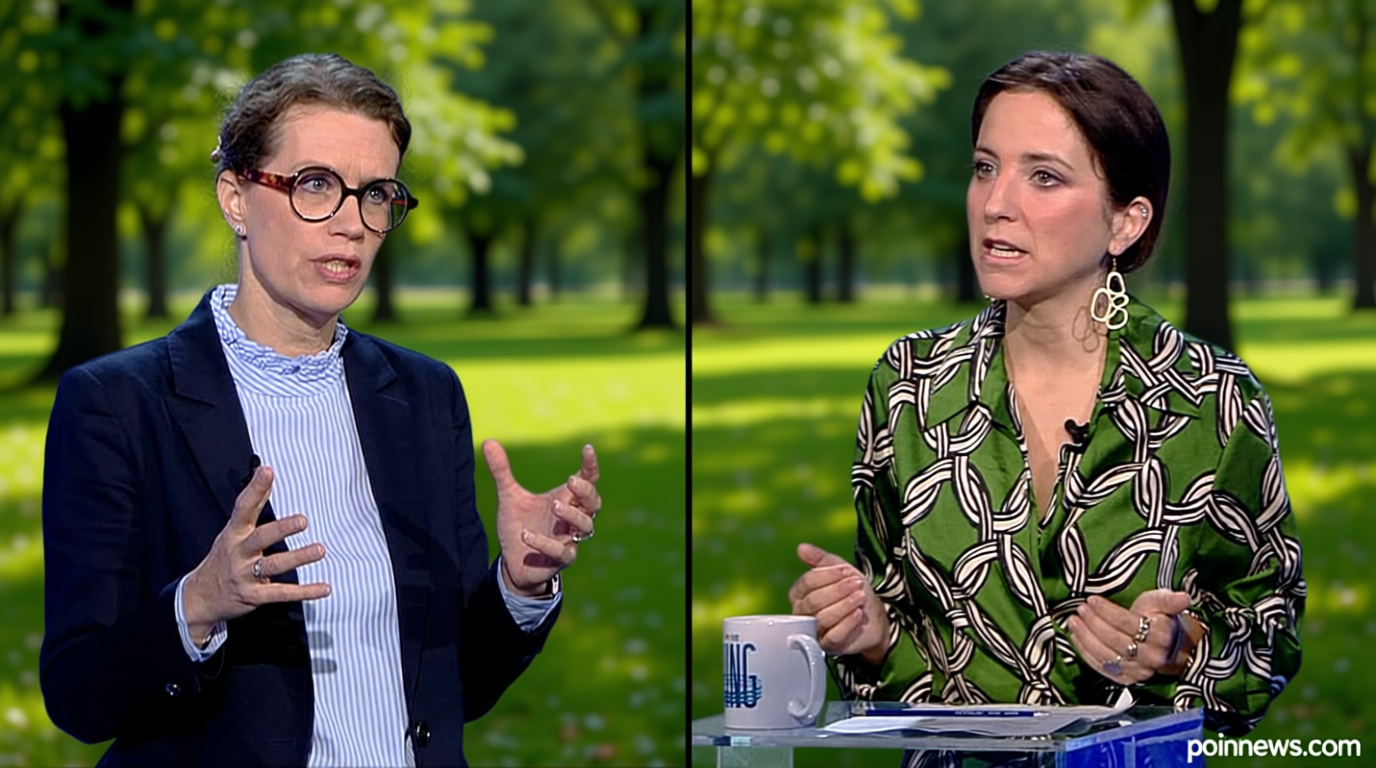
Poinews.com – MEPs clash in The Ring as they debate the EU’s response to Europe’s escalating heat crisis, a phenomenon exacerbated by the continent’s rapid warming. With temperatures soaring to record highs, the European Parliament’s platform has become a battleground for contrasting visions on how to address the environmental emergency. The latest episode of The Ring features intense exchanges between Italian Green MEP Benedetta Scuderi and German EPP Andrea Wechsler, highlighting the deepening ideological rift over climate strategies. As the heat dome intensifies, the stakes for policy decisions have never been higher, forcing lawmakers to confront the urgent need for sustainable solutions.
The Growing Urgency of Europe’s Climate Challenges
Europe’s scorching heat dome has emerged as a critical test for climate resilience, with scientists warning of unprecedented consequences if action is delayed. The European Environment Agency recently reported that the continent is warming at twice the global average, making it the fastest-heating region in the world. This trend has already disrupted agriculture, strained energy grids, and threatened public health, underscoring the need for immediate and coordinated measures. The Ring’s debate reflects a broader conversation about how the EU can balance economic growth with environmental protection, a challenge that has become increasingly complex in the face of rising temperatures.
The episode underscores the tension between short-term relief and long-term sustainability, with MEPs divided on whether to prioritize technologies like air conditioning or invest in renewable energy infrastructure. Scuderi argued that the EU must embrace transformative changes, emphasizing the importance of shifting to clean energy sources. Meanwhile, Wechsler defended a more pragmatic approach, suggesting that a blend of traditional and modern energy systems could offer a balanced solution. These contrasting perspectives reveal the difficulty of aligning political priorities with the demands of a climate crisis that shows no signs of slowing down.
MEPs Clash in The Ring: A Battle of Ideologies
MEPs clash in The Ring with starkly different visions for the future of the EU’s climate policy. Scuderi accused the EPP of compromising on climate goals by aligning with right-wing factions that favor fossil fuel reliance. “How can we expect to lead global efforts if we’re the first to retreat from our commitments?” she asked, calling for stricter emissions targets and accelerated renewable energy adoption. In response, Wechsler contended that the Greens’ focus on green energy could neglect economic and social factors, potentially alienating key stakeholders. “We need to embrace not just electrons, but also molecules,” she asserted, suggesting a more flexible approach to decarbonization.
Scuderi’s arguments were backed by recent data showing the EU’s vulnerability to extreme weather events, which are projected to become more frequent. She stressed that without decisive action, the region could face devastating impacts, including water shortages and food insecurity. Wechsler, however, highlighted the importance of energy affordability for citizens, arguing that abrupt transitions to renewables could lead to higher costs and reduced public support. The debate has reignited discussions about the role of public investment in climate adaptation, with both MEPs agreeing that the EU must act swiftly to mitigate risks.
“Extreme heat will worsen unless we stop burning massive quantities of coal, oil, and gas,” said Simon Stiell, Executive Secretary of the UN Framework Convention on Climate Change. “Other climate disasters, like floods and wildfires, will intensify each year without decisive action.”
The clash in The Ring also touched on the broader implications of climate policy for EU cohesion. Scuderi criticized the EPP for sidelining social protections in favor of market-driven solutions, while Wechsler argued that such measures were necessary to ensure economic competitiveness. The debate has drawn attention to the political dynamics within the European Parliament, where climate action is often framed as a test of leadership and compromise. As the conversation continues, the role of public opinion and media coverage in shaping these debates remains a key factor in the EU’s climate strategy.
Public Engagement and the Role of Media
MEPs clash in The Ring not only among themselves but also with the public, whose concerns about the heat crisis are growing. The debate has sparked widespread discussions on social media, with citizens demanding more transparency and accountability from policymakers. Media coverage of The Ring has amplified these voices, framing the event as a pivotal moment for European climate leadership. Analysts note that the platform’s ability to distill complex issues into accessible formats has made it a valuable tool for engaging the public, though some argue that it sometimes oversimplifies nuanced policy debates.
The episode also highlighted the importance of cross-border cooperation in addressing the heat crisis, which knows no national boundaries. Scuderi called for a unified EU approach, warning that fragmented policies could leave vulnerable regions at greater risk. Wechsler, however, emphasized the need for member states to tailor solutions to their specific needs, a stance that reflects the diversity of challenges across the continent. This divergence in strategy has reignited debates about the EU’s role in climate governance, with participants questioning whether centralized mandates or decentralized initiatives are more effective in the face of extreme weather events.
Towards a Consensus on Climate Resilience
Despite their differences, MEPs in The Ring have acknowledged the urgency of reducing fossil fuel dependence. The discussion has sparked renewed interest in EU-wide initiatives to modernize energy infrastructure, improve public transportation, and enhance urban cooling systems. Scuderi and Wechsler, while at odds on the specifics, agree that the EU must prioritize climate resilience in its long-term planning. This shared understanding offers a glimmer of hope for finding common ground, even as the debate over the best path forward remains fierce.
“We must strike a balance between immediate relief and sustainable transformation,” said Vassilis Glynos, the episode’s editor. “The Ring is not just a forum for debate—it’s a mirror reflecting the challenges and opportunities of our time.”
As the European Parliament continues to host The Ring, the event is becoming a key venue for shaping the EU’s climate agenda. The clash in The Ring has drawn attention to the need for innovative policies, public engagement, and international collaboration. With the heat dome serving as a stark reminder of the urgency of action, MEPs are under pressure to deliver solutions that address both environmental and socio-economic concerns. The outcome of these debates will likely define Europe’s approach to climate resilience in the years to come.