Venezuela’s interim leader defends earthquake response as death toll tops 2,500
Venezuela's Interim Leader Defends Earthquake Response Amid Rising Casualties Venezuela s interim leader defends earthquake - Venezuela's interim leader

Venezuela’s Interim Leader Defends Earthquake Response Amid Rising Casualties
Poinews.com – Venezuela’s interim leader defends the government’s handling of the recent earthquake disaster, which has claimed over 2,500 lives and left thousands missing. Acting President Delcy Rodríguez has emphasized the swift mobilization of resources and the dedication of rescue teams, despite widespread criticism of the initial response’s efficiency. The June 24 earthquakes, measuring 7.2 and 7.5 on the Richter scale, triggered catastrophic damage in Caracas and La Guaira, collapsing nearly 200 buildings. While some satellite data suggests the actual destruction may be even more severe, Rodríguez has dismissed concerns about underreporting, positioning her administration as proactive in the crisis.
Disputes Over Response Speed and Coordination
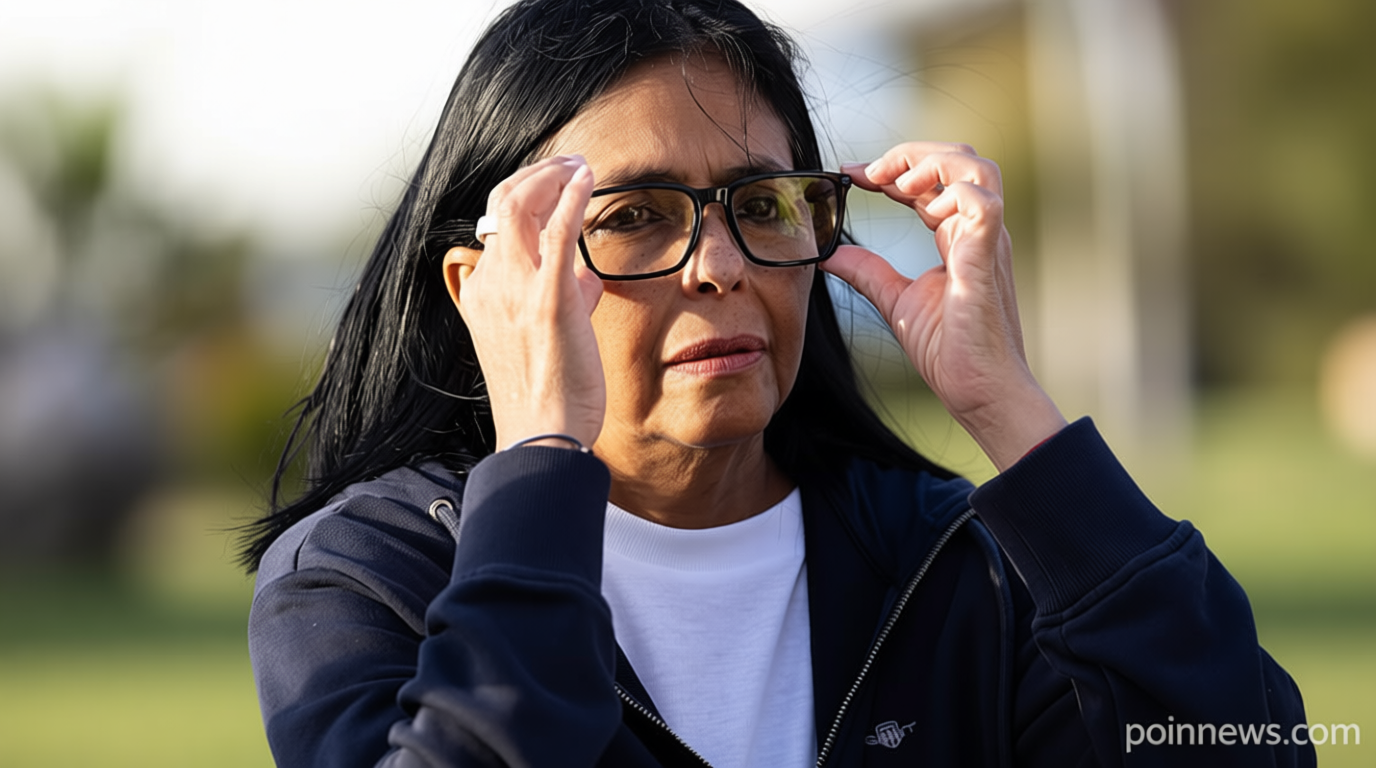
Rodríguez, who has been a central figure in the disaster’s aftermath, defended the government’s actions during a press conference in Caracas. She wore a black mourning ribbon but claimed the response was immediate, asserting, “We did not wait one day, two days, or three days. We activated immediately.” This statement came amid allegations that survivors were left without essential tools like equipment or trained personnel to search for victims. Critics argue that the lack of coordination and delayed supply chains exacerbated the situation, but Rodríguez accused the media of using the tragedy to discredit the government’s efforts.
“We did not wait one day, two days or three days. We activated immediately,” Rodríguez said, accusing the media of weaponizing the tragedy.
Death Toll and International Aid
The death toll from the earthquakes has surpassed 2,500, with rescue teams projecting it could climb to 2,600 by Friday. Thousands of people remain unaccounted for, and an opposition-led website has documented over 38,000 missing persons reports. The United Nations is coordinating the distribution of 10,000 body bags to assist with the recovery process, while international aid has begun to flow in. Rodríguez has welcomed support from U.S. President Donald Trump and Secretary of State Marco Rubio, as well as Ecuador and Israel, highlighting the government’s commitment to collaboration. However, the scale of the disaster has also exposed the vulnerabilities in Venezuela’s infrastructure and emergency preparedness.
By the ninth day of rescue operations, teams from 27 countries had to suspend efforts due to a relentless heatwave and the passage of the critical 72-hour window for survival. The final survivor, Hernán Alberto Gil Flores, a 43-year-old security guard, was rescued from an air pocket under a collapsed seven-story mall in Catia La Mar. After this breakthrough, no further signs of life were found, leading to the official end of active search operations. This marked a somber milestone, as families faced the grim reality of their losses and the slow pace of recovery.
Infrastructure Strain and Identification Challenges
The sheer volume of casualties has strained Venezuela’s already fragile infrastructure and emergency systems. Forensic teams reported that some bodies were so badly damaged they could not be identified, forcing families to rely on tattoos, clothing, or personal belongings for recognition. Over 200 bodies were temporarily stored in a hospital parking lot before being moved to a makeshift morgue at the seaport, where private firms donated refrigerated containers to aid in preservation. The process has been emotionally taxing for grieving families, many of whom have had to bear the burden of identifying loved ones without adequate state support.
Families also face significant financial strain, with private funeral homes charging up to $450 per service. While some have received free cemetery plots from local mayors, others are resorting to alternative methods like lime to slow decomposition while waiting for government assistance. The earthquake, which struck just days before Rodríguez’s interim leadership term expired, has intensified scrutiny of her administration. Critics argue that her defense of the response highlights the political challenges of managing a crisis in a nation grappling with economic instability and systemic issues.
Global Reactions and Ongoing Recovery
The international community has expressed both support and skepticism regarding Venezuela’s handling of the disaster. While some nations have pledged aid, others have criticized the government’s transparency and preparedness. Rodríguez’s repeated emphasis on the swift response has been met with mixed reactions, as many question the adequacy of resources deployed. The quakes have not only tested the resilience of Venezuela’s infrastructure but also underscored the challenges of maintaining effective governance during times of crisis. With over 2,500 confirmed deaths and the ongoing search for missing individuals, the nation is now focused on rebuilding and providing long-term support to affected communities.
Rodríguez has acknowledged the immense difficulties faced by the country, stating that the disaster has reinforced the need for international cooperation. However, her defense of the response remains a key point in the ongoing narrative. As the death toll climbs and recovery efforts continue, the interim leader’s actions will be closely watched. The earthquakes have become a pivotal moment in Venezuela’s political landscape, with the crisis potentially shaping public perception of her leadership and the country’s future direction.