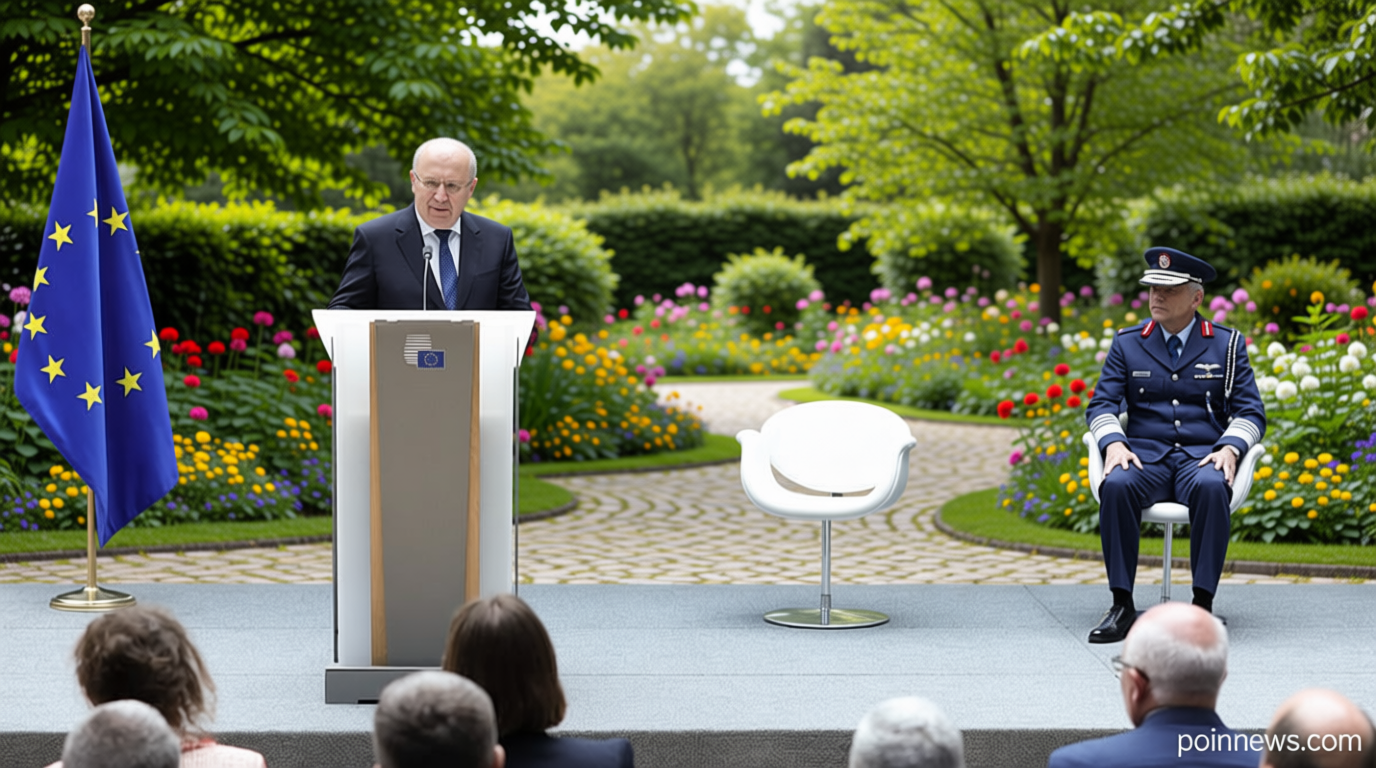
EU will retaliate if China misses October trade deadline, von der Leyen says
EU to Retaliate if China Misses October Trade Deadline EU will retaliate if China misses - The European Union has made it clear that it will not hesitate to

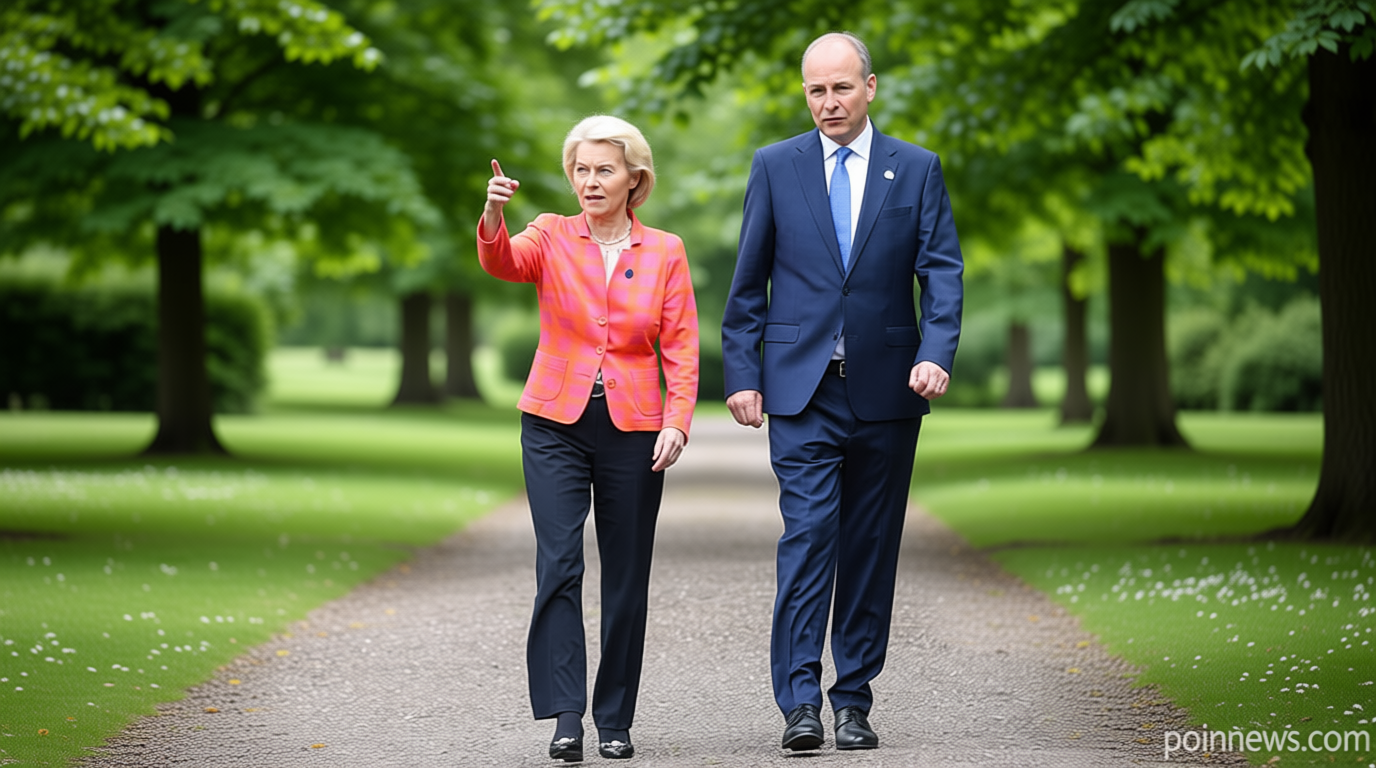
EU to Retaliate if China Misses October Trade Deadline
Poinews.com – The European Union has made it clear that it will not hesitate to take retaliatory action if China fails to meet its October trade deadline, as emphasized by Ursula von der Leyen, President of the European Commission. This warning underscores the EU’s growing frustration with Beijing’s trade practices, which have long been seen as detrimental to European markets. Von der Leyen’s statement comes amid rising tensions between the bloc and China, with the European Commission seeking concrete reforms by the end of the month to address structural issues such as market distortions, unfair competition, and trade imbalances.
EU’s Strategic Positioning for Retaliation
During her recent visit to Cork, Ireland, von der Leyen stressed the importance of dialogue but also the need for tangible results. “Dialogue is essential, but the dialogue has to deliver,” she stated, signaling that the EU is prepared to act decisively if China does not show progress. The European Union is currently developing a range of retaliatory measures, including potential tariffs and trade restrictions, which could be implemented in the fall should China delay its commitments. “We are basically prepared for everything, and we have all the instruments on the table,” she added, highlighting the bloc’s readiness to respond swiftly.
“Depending on how the response of the Chinese is, in the fall will then be our potential activity.”
The EU’s strategy hinges on China’s ability to implement meaningful changes in its trade policies by the end of October. Key concerns include China’s surplus of inexpensive exports, which have flooded European markets and suppressed local industries, as well as its state-subsidized enterprises that gain an unfair advantage. Von der Leyen emphasized that these practices are no longer acceptable and that the EU will not tolerate them without consequences. The deadline is seen as a critical test for China’s willingness to engage in fair trade practices and align with European standards.
Developing New Trade Instruments
To enhance its retaliatory capabilities, the EU is actively developing new trade instruments. These tools are designed to address the complexities of current trade disputes and provide more flexibility in response. One such initiative aims to diversify supply chains and reduce dependency on Chinese imports, while another focuses on strengthening unity among EU member states to ensure a cohesive approach. “We have at least two supplementary tools in development,” said von der Leyen, indicating the Commission’s commitment to preparing comprehensive measures.
Recent negotiations with Chinese officials have intensified the pressure on Beijing to meet the October deadline. European Commissioner for Trade Maroš Šefčovič met with his Chinese counterpart, Wang Wentao, earlier this week, reinforcing the urgency of the situation. Šefčovič acknowledged that while “not everything will be fixed” by the end of the month, the EU remains optimistic about achieving progress. “The trend is not sustainable, and the status quo is not an option,” he noted, underscoring the need for China to demonstrate a commitment to reform.
Trade Deficit and Economic Implications
The EU’s trade deficit with China has reached unprecedented levels, with a total of €360 billion recorded in 2025. This deficit has sparked widespread concern among European leaders, who fear that China’s trade policies are undermining the bloc’s economic stability. The imbalance highlights the EU’s reliance on Chinese goods and services, which has become a point of contention as the deadline approaches. Von der Leyen warned that the EU must act to prevent further erosion of its market competitiveness, particularly in sectors such as manufacturing and technology.
Irish Prime Minister Micheál Martin, who chairs the EU Council during his country’s presidency, echoed these concerns, stressing the importance of fair trade practices. “Trade has to be conducted on a fair basis, and we all have to play by the same rules,” he said. Martin expressed hope that the dialogue between Europe and China could lead to a mutually beneficial agreement, but he also recognized the risks of inaction. “If China misses the deadline, the EU will have no choice but to retaliate,” he added, emphasizing the stakes for both sides.