Kubilius hails ‘revolutionary’ defence plan, but MEPs demand faster rollout
Kubilius hails revolutionary defence plan but MEPs -

European Defence Commissioner Praises Military Mobility Plan, Yet MEPs Push for Earlier Implementation
Commissioner’s Call for Strategic Rollout
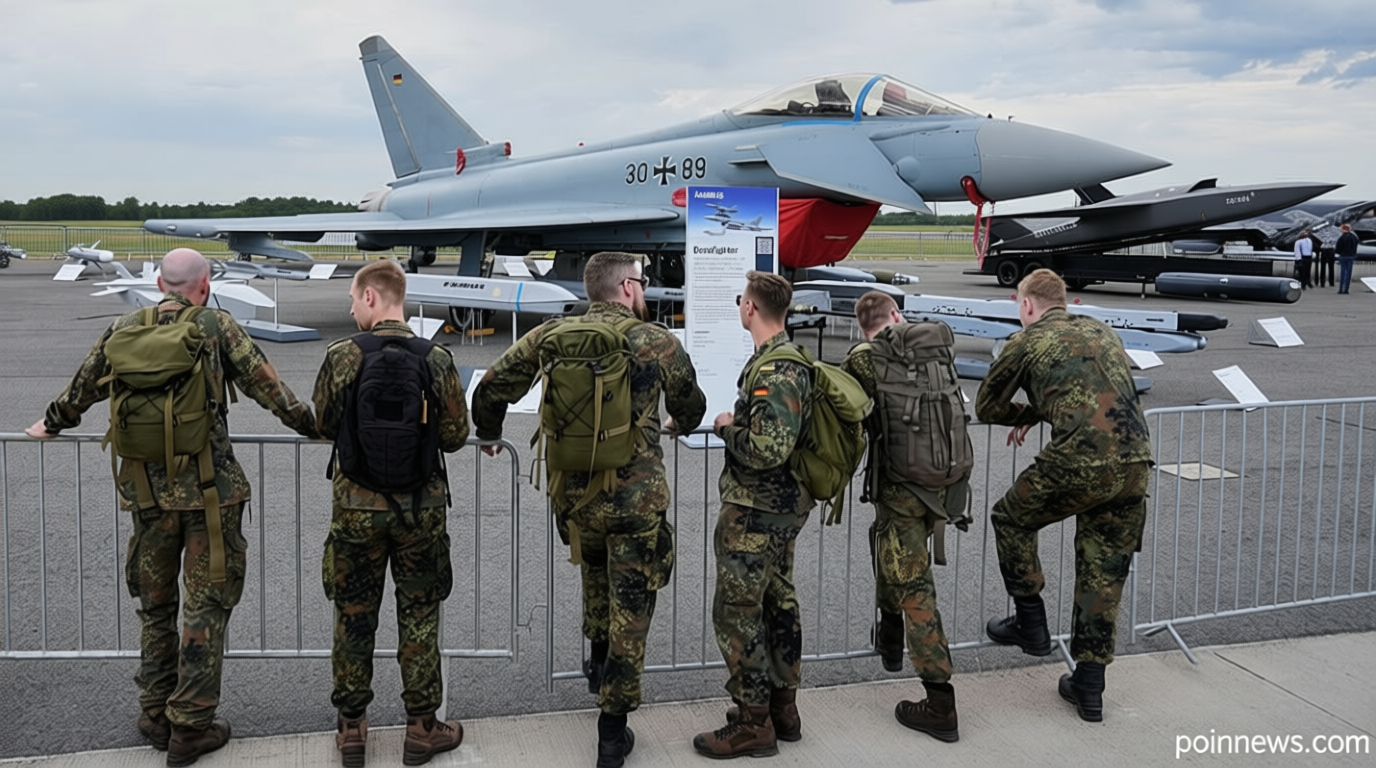
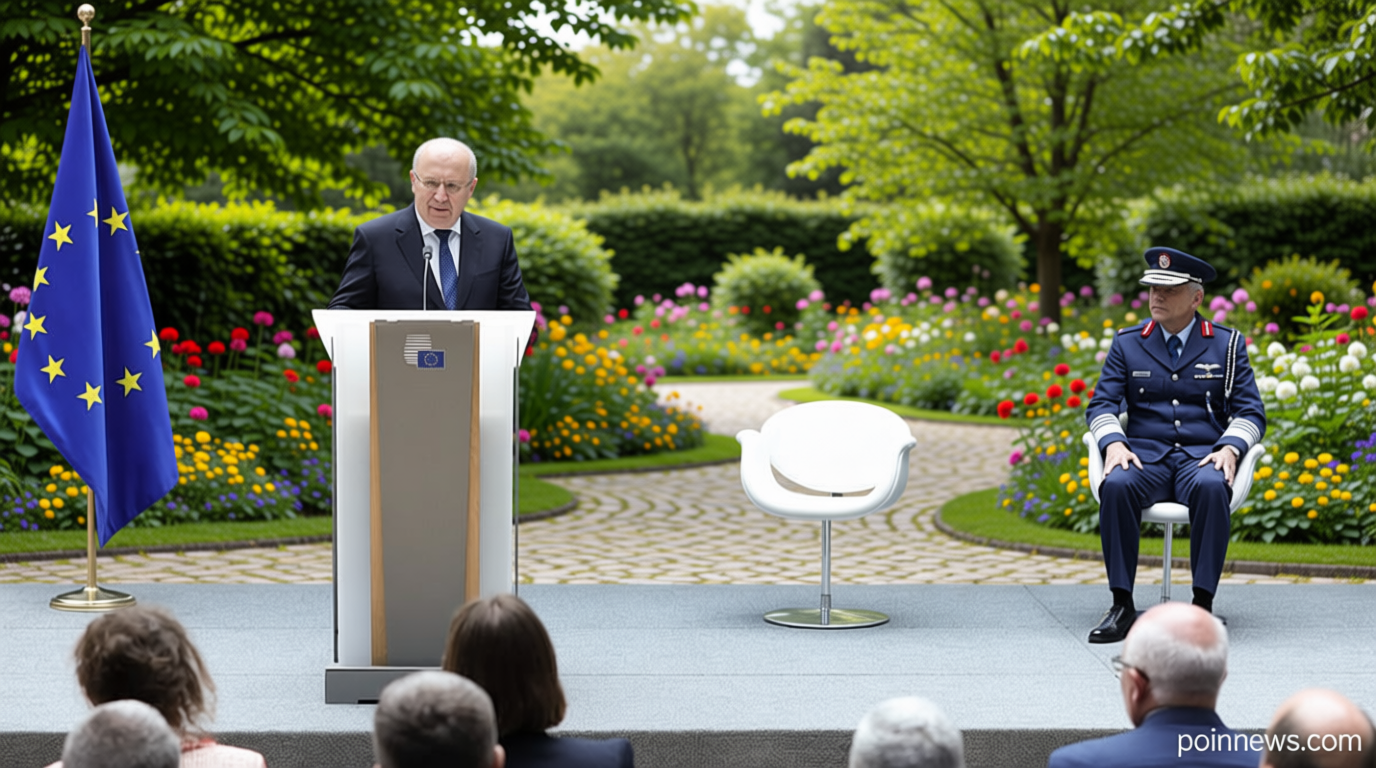
Poinews.com – European Commissioner for Defence Andrius Kubilius has commended the EU executive’s military mobility initiative, which is set to be debated in trilogues at the European Parliament this week. He emphasized that the plan is essential for enhancing the bloc’s wartime capabilities, stating that the goal is to implement it “as soon as we can be ready.”
“The challenge lies in the fact that each of the 27 member states operates under its own military mobility framework. For instance, moving forces from Spain to the Baltic states currently requires up to 45 days, a delay we aim to eliminate entirely,” Kubilius explained to Euronews.
MEPs Seek Expedited Timeline
Despite Kubilius’s optimism, members of the European Parliament are advocating for the plan to be adopted by 2028—two years earlier than the Commission’s initial proposal. The shift reflects growing urgency among lawmakers to address vulnerabilities in Europe’s defense infrastructure.
“Time is critical, and we cannot afford to wait,” said Polish MEP Michał Szczerba of the European People’s Party (EPP). “This regulation focuses on streamlining rules, increasing speed, and ensuring the scale of our efforts aligns with current security threats.”
Readiness 2030 and Strategic Priorities
The military mobility proposal is a cornerstone of the EU’s broader Readiness 2030 defense strategy, designed to modernize the continent’s ability to deploy troops and equipment swiftly during conflicts. This framework was first unveiled in November 2025, with the original target date for implementation set at 2030.
Security experts have flagged 2030 as a pivotal year for Europe’s defense readiness, citing potential threats from Russia. The plan seeks to reduce bureaucratic hurdles and upgrade critical infrastructure, including railways, roads, and bridges, to facilitate rapid military movement.
Funding and National Responsibilities
To finance the upgrades, the European Commission has suggested leveraging the €131 billion defense budget outlined in the 2028–2034 Multiannual Financial Framework. However, Latvian MEP Roberts Zīle from the European Conservatives and Reformists (ECR) stressed that national governments must also contribute from their own resources.
“While EU funds are vital, all NATO member states have committed to allocating 5% of GDP to defense. A portion of this—1.5%—should target logistics to address bottlenecks effectively,” Zīle noted.
Irish Leadership and EU Presidency
During the Security and Defence Committee session in the European Parliament, Ireland’s Defence and Foreign Affairs Minister, Helen McEntee, supported the initiative, highlighting its role in bolstering deterrence and resilience. She described advancing the file as a top priority for her country’s current EU Council Presidency, though she did not specify the revised timeline.