Podcast: The most political World Cup to date?
the EU’s Political Agenda Podcast - The 2026 World Cup commenced this week with Mexico taking on South Africa, a match that has already ignited discussions

Podcast: The 2026 World Cup and the EU’s Political Agenda
Poinews.com – The 2026 World Cup commenced this week with Mexico taking on South Africa, a match that has already ignited discussions about the tournament’s political undertones. Held across Canada, Mexico, and the United States, the event promises to captivate global audiences until 19 July. Amid the excitement, the EU Pact on Migration and Asylum, which becomes fully operational on 12 June, has drawn attention from policymakers and analysts alike.
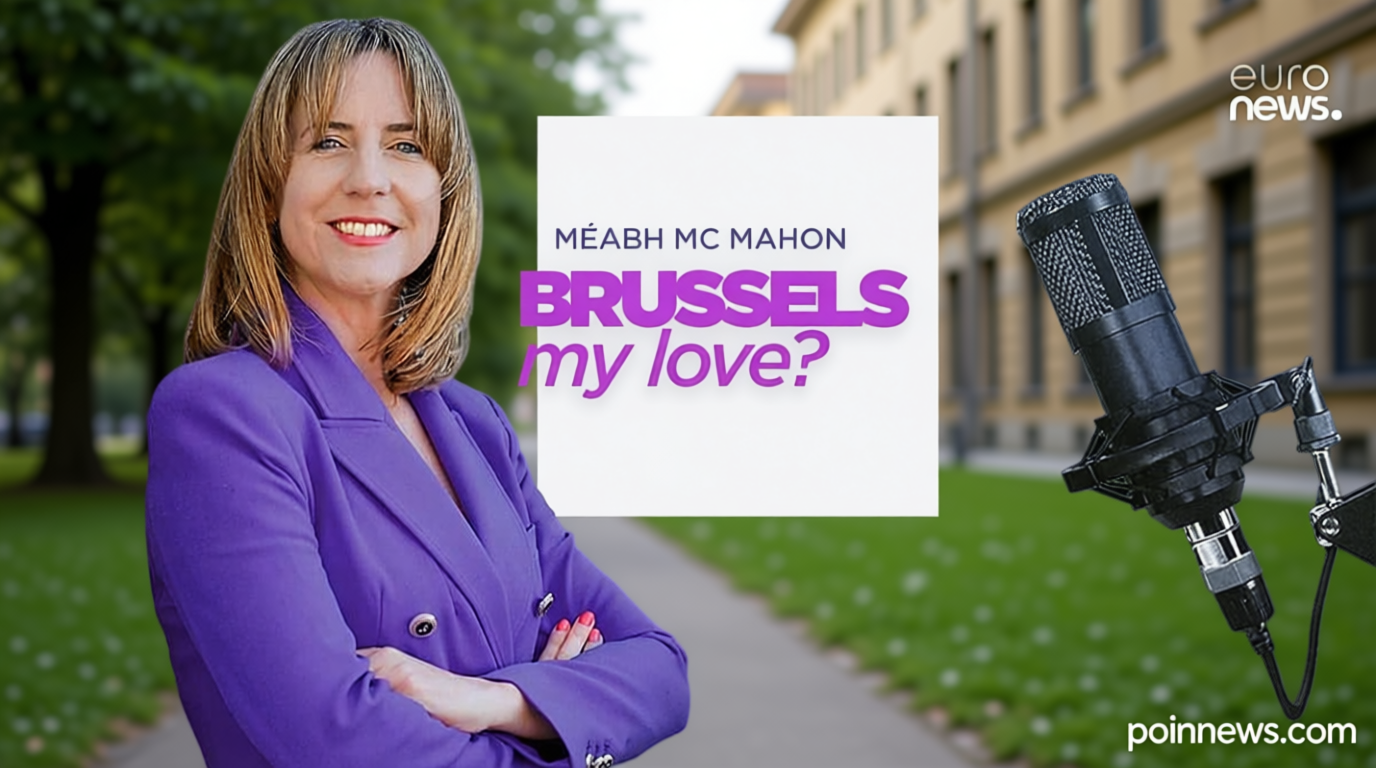
Brussels, My Love? Uniting Sports and Politics
Euronews’ weekly podcast, Brussels, My Love?, explores the intersection of these two topics by featuring Virginie Jacob, a migration policy expert at the European Policy Centre; Petros Fassoulas, secretary general of the European Movement International; and Euronews journalist Adnan Leal. The discussion centers on the EU’s new legislative framework, which redefines how member states handle migration and asylum seekers.
The EU Migration and Asylum Pact, introduced in 2024, is a comprehensive reform aimed at streamlining the bloc’s approach to migration. While some view it as a necessary shift, others worry it may lead to policies reminiscent of ICE-style enforcement. According to Fassoulas, the pact reflects the EU’s focus on managing crises rather than preventing them.
“People are fleeing from war, poverty, and environmental disaster, and here we haven’t invested in the necessary infrastructure to accommodate these individuals seeking shelter,” he remarked.
A central element of the pact is the Return Regulation, which came into effect on 1 June. This allows EU nations to create return hubs outside the union, facilitating faster deportations. Jacob, a key advisor on the matter, noted that these hubs could reduce procedural delays by targeting countries with fewer ties to migrants.
“Return hubs will enable member states to repatriate individuals in regions where they have minimal connections, which helps avoid bottlenecks in the process,” Jacob explained.
Jacob emphasized that the pact marks the beginning of a gradual transition, as sweeping reforms cannot be implemented instantly. “If executed effectively, it could strengthen cooperation and trust among member states,” she added. Meanwhile, the World Cup has become a stage for political narratives, with the U.S. hosting Iran’s team amid ongoing tensions in the Middle East.
“It’s unfortunate that political events risk overshadowing this celebration of sports,” Fassoulas noted.
Leal pointed out that the rising cost of tickets is another pressing issue for this year’s tournament. “The cheapest final ticket in Qatar was $1,600, but this year it’s around $6,000, and can soar to $32,000,” he said. Despite these challenges, the competition remains a focal point for global attention, with Spain and France widely considered as strong contenders for the title.
Listen to the full episode in the player above or on your preferred podcast platform.