Ukraine to call on NATO partners to deliver air defence after brutal Russian bombardment
d Escalating Russian Bombardment Ukraine to call on NATO partners - Following a recent intense Russian bombardment in Kyiv, Ukraine is set to appeal to NATO


Ukraine Seeks NATO Air Defence Support Amid Escalating Russian Bombardment
Poinews.com – Following a recent intense Russian bombardment in Kyiv, Ukraine is set to appeal to NATO allies for immediate air defence assistance. The attack, which occurred on 2 July and resulted in the loss of at least 30 lives, has underscored the urgent need for enhanced protection against aerial threats. As the conflict continues to test Ukraine’s resilience, the country is looking to its NATO partners to fulfill promised military aid, including advanced systems like the Patriot missile defence network. This move is expected to gain momentum at the upcoming NATO summit, where Kyiv will push for a more robust commitment to bolster its skies.
Ukraine’s Direct Call to NATO Allies
President Volodymyr Zelenskyy has publicly urged nearly 40 NATO countries to accelerate the delivery of Patriot interceptors. The request, made during a critical phase of the war, highlights Ukraine’s growing dependence on its allies for counter-battery capabilities. Despite existing contracts secured through German support, delays in production and distribution have left the nation scrambling to defend itself. Zelenskyy’s team plans to compensate for the initial transfers by fulfilling additional missile contracts later in the year, ensuring a steady supply of defensive assets to counter Russia’s relentless attacks.
“If our partners had delivered what they promised on time, we could have saved more homes and, frankly, more lives,” Zelenskyy stated while touring a damaged residential area in Kyiv’s Darnytskyi district.
The leader’s comments reflect the mounting frustration over the timeline of NATO support, which has become a focal point of discussions among alliance members. Ukraine’s strategic calls for air defence systems are not just about immediate survival but also about establishing a long-term security framework that positions the country as a key pillar of Euro-Atlantic defense.
Challenges in Air Defence Supply Chains
The global shortage of Patriot systems has placed Ukraine in a precarious position. While hundreds of interceptors were contracted through German support, their availability remains constrained by production bottlenecks and competing demands from other conflict zones. For instance, the US and Israel’s ongoing confrontation with Iran has consumed nearly a third of the world’s Patriot stockpile, with Gulf states alone accounting for over 1,100 launches in recent months. This scarcity has forced Ukraine to rely on existing stockpiles, which are insufficient to counter the increasing frequency of Russian ballistic missile strikes.
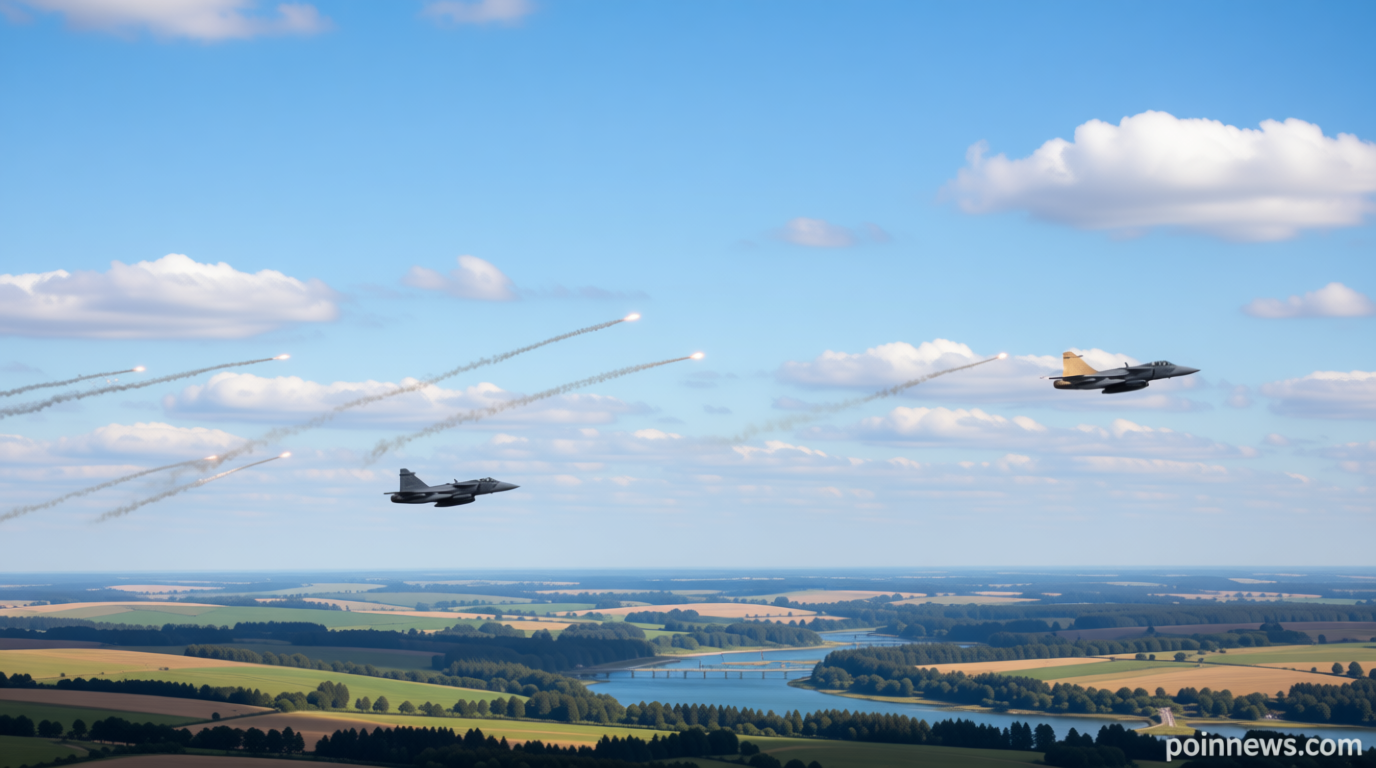
Lockheed Martin, the primary manufacturer of the Patriot system, produces approximately 600 interceptors annually, a pace that has been deemed inadequate by Ukrainian officials. The delay in receiving these systems has created a strategic gap, allowing Russia to exploit vulnerabilities in Ukraine’s air defenses. With attacks sometimes launching up to 30 missiles in a single night, the need for a more rapid deployment of NATO-backed air defence has never been more pressing. Ukraine’s calls to NATO partners aim to bridge this gap and ensure a sustained defensive capability.
Strategic Implications for NATO’s Eastern Flank
Ukraine’s push for air defence support is not only a tactical necessity but also a strategic opportunity for NATO. By integrating the country into its broader missile defence network, the alliance can enhance its collective security posture in the face of growing Russian aggression. The upcoming summit will serve as a platform for Kyiv to argue that its contributions to the alliance’s eastern flank are indispensable. Officials emphasize that Ukraine’s current efforts to defend its territory are a testament to its commitment to the NATO cause, which should be recognized through concrete action.
Additionally, Ukraine aims to secure a two-year financial framework for military aid, positioning itself as a vital partner rather than a mere recipient. This framework would provide a stable flow of resources to sustain air defence operations and modernize the nation’s military infrastructure. The emphasis on a minimum baseline rather than a maximum commitment reflects Ukraine’s desire for long-term reliability from its NATO allies. With the war intensifying, the country is determined to ensure its defences are not left vulnerable to further attacks.