Video. Iranians mourn as Khamenei funeral ceremonies begin
Video. Iranians mourn as Khamenei funeral ceremonies begin Iranians mourn as Khamenei funeral ceremonies - As the funeral ceremonies for Supreme Leader Ali

Video. Iranians mourn as Khamenei funeral ceremonies begin
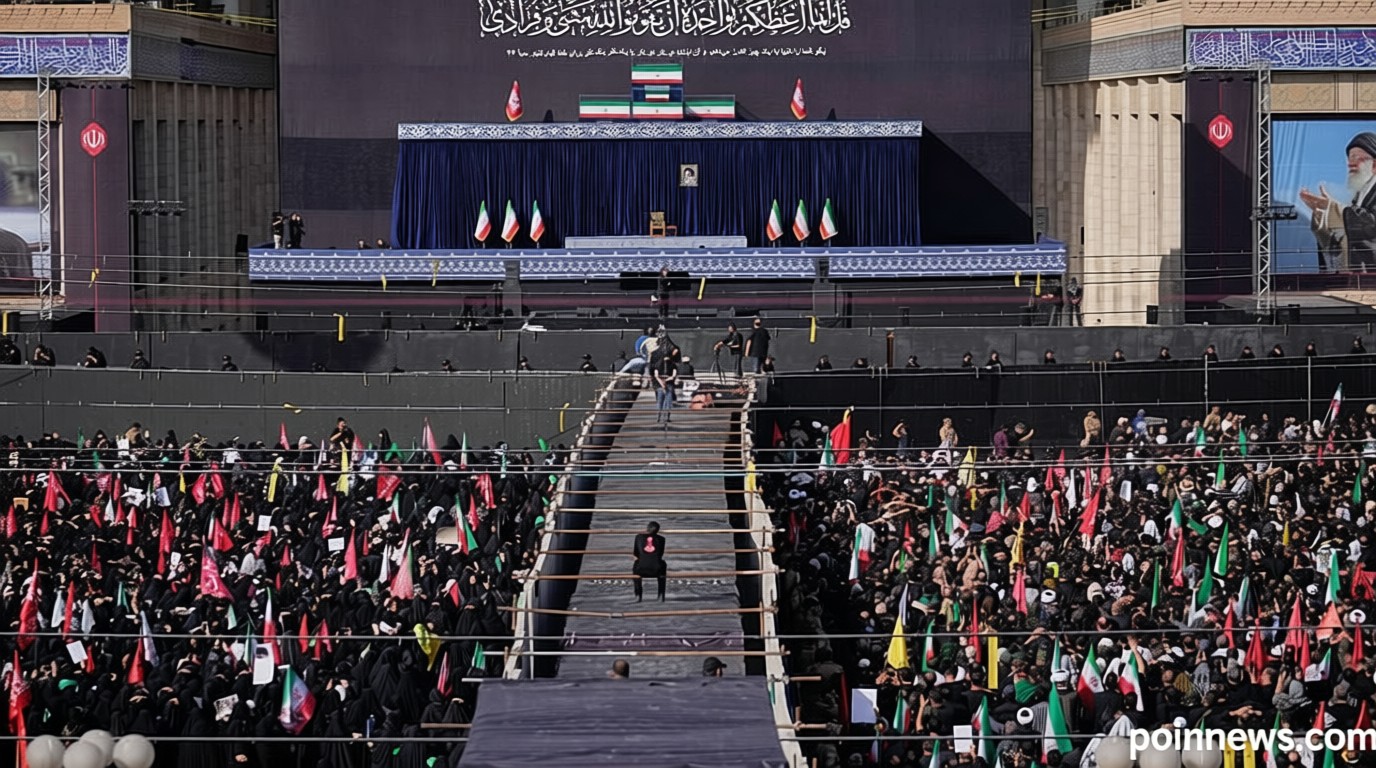
Poinews.com – As the funeral ceremonies for Supreme Leader Ali Khamenei began in Tehran, Iranians gathered in droves to express their profound grief and solidarity with the nation’s leadership. The six-day mourning period, officially declared by the Iranian government, marked the start of a solemn yet emotionally charged event that brought the capital to a standstill. Crowds lined the streets, their faces etched with sorrow, as they paid homage to the late leader, who had served as the spiritual and political guide of the country for decades. The atmosphere was thick with reverence, with people kneeling, chanting, and placing flowers at the base of his casket, which was draped in black and adorned with symbolic Islamic motifs. This moment of collective mourning underscored the deep emotional connection Iranians felt toward Khamenei, whose leadership had shaped the nation’s trajectory during times of both stability and upheaval.
The Grandeur of the Mourning Procession
The funeral processions were a spectacle of tradition and unity, reflecting the cultural and religious significance of the event. As the casket was carried through the city, thousands of mourners followed in silence, their heads bowed and hands clasped in prayer. The streets of Tehran transformed into a corridor of solemnity, with military units and religious officials leading the way. The first day of the mourning period, 28 February, coincided with the anniversary of the start of the US-Israeli conflict with Iran, a timing that amplified the national sentiment. The ceremony was not only a tribute to Khamenei’s legacy but also a reaffirmation of Iran’s collective identity and resilience. Participants from all walks of life—students, workers, and families—joined the procession, their expressions a testament to the leader’s enduring influence.
Throughout the mourning period, Iranians engaged in a variety of rituals to honor Khamenei. These included fasting, reciting prayers, and wearing black attire, as well as displaying portraits of the late leader in homes and public spaces. The funeral ceremonies were broadcast live across the country, allowing those unable to attend in person to participate in the emotional outpouring. In one poignant scene, a group of young students stood motionless, their tears streaming as they chanted verses from the Quran, a tradition that symbolizes the deep spiritual ties between the people and their leadership. The national mourning was also marked by the presence of Iran’s new Supreme Leader, Ayatollah Mojtaba Khamenei, whose image was prominently featured in banners and posters, signaling a transition in the country’s political and spiritual direction.
Global Reactions and the Legacy of Khamenei
As the funeral ceremonies unfolded, global attention turned to Iran, with many international observers noting the scale of the national mourning. The event was seen as a pivotal moment in the region’s political landscape, as it signified the passing of a leader who had navigated Iran through significant challenges, including the 2015 nuclear deal and the ongoing tensions with Western powers. In a blockquote from a participant, one individual said, “The mourning for Khamenei is not just for a leader, but for a symbol of our unity and faith.” This sentiment was echoed by others, who described the ceremonies as a reflection of the nation’s hopes and fears for the future. The funeral also served as a platform for the new leader, Ayatollah Mojtaba Khamenei, to assert his authority and outline his vision for Iran’s continued path of resistance and Islamic governance.
The mourning period, which spanned six days, was designed to allow Iranians to reflect on Khamenei’s contributions and the values he represented. His leadership had been characterized by a blend of religious authority and political pragmatism, with a focus on maintaining Iran’s sovereignty and Islamic principles. The ceremonies were held in multiple locations, including the revered Imam Khomeini Mausoleum in Tehran, where Khamenei’s body was laid to rest. Attendees from across the country traveled to the capital to participate, creating a sea of black-clad mourners that stretched for miles. The rituals, which included the recitation of elegies and the distribution of symbolic gifts, were steeped in tradition, blending historical practices with contemporary expressions of grief. The event also highlighted the role of the clergy in guiding the mourning process, ensuring that it remained rooted in Islamic customs.
As the days of mourning progressed, the emotional intensity of the event continued to resonate with Iranians, who viewed it as a unifying force in a time of political uncertainty. The funeral ceremonies were not only a personal tribute to Khamenei but also a reaffirmation of the nation’s collective will to uphold its values and aspirations. The presence of military parades, flag-raising ceremonies, and religious sermons further emphasized the gravity of the occasion. In addition to the national mourning, the event sparked discussions about the future of Iran’s governance, with many citizens expressing both reverence for Khamenei’s legacy and cautious optimism about the new era under his successor. The impact of the funeral was felt beyond the immediate event, as it became a defining moment in the country’s recent history.