Ratify Mercosur or risk losing South America to China, Uruguay warns EU
Ratify EU-Mercosur Trade Agreement or Risk Losing South America to China, Uruguay Warns EU Ratify Mercosur or risk losing South - Uruguay's foreign minister

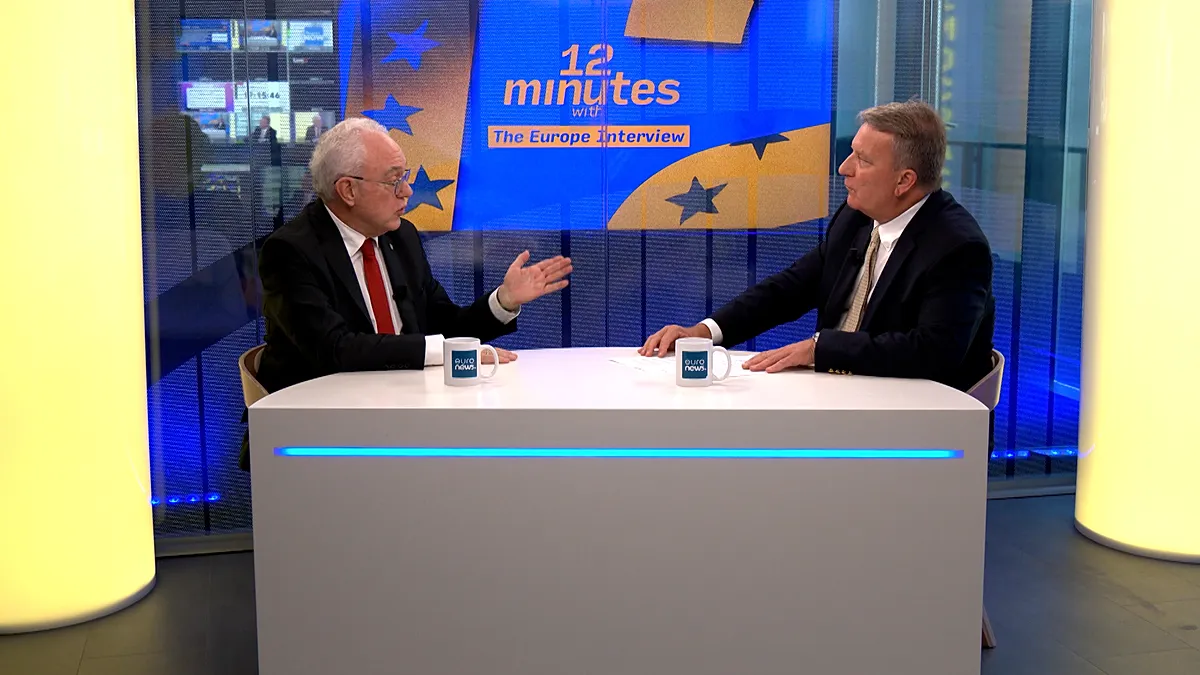
Ratify EU-Mercosur Trade Agreement or Risk Losing South America to China, Uruguay Warns EU
Poinews.com – Uruguay’s foreign minister, Mario Lubetkin, has issued a strong call for the European Union to ratify the EU-Mercosur trade agreement, emphasizing that failure to do so could see Europe lose its influence in South America to China. The agreement, which has been finalized after years of negotiations, is seen as a pivotal moment to strengthen transatlantic ties. As Uruguay assumes the rotating presidency of the South American trade bloc, Lubetkin’s warning underscores the urgency for Europe to act, lest it cede economic and political leverage to a rising global power.
EU-Mercosur Agreement: A Strategic Milestone
The EU-Mercosur trade pact, signed in 2019 and delayed due to political and environmental concerns, represents a significant opportunity for Europe. With the agreement now entering its operational phase, the European Parliament’s hesitation has cast a shadow over the deal’s implementation. Lubetkin pointed out that the four Mercosur countries—Brazil, Argentina, Paraguay, and Uruguay—quickly ratified the agreement, a process that has not occurred in over two decades. This accelerated approval highlights the pact’s strategic importance, which Lubetkin argues is vital for the European Union’s global standing.
Despite the pact’s progress in South America, the EU’s ratification process remains stalled. The European Parliament’s request for an opinion from the Court of Justice of the European Union (CJEU) has created a bottleneck, slowing the finalization of the agreement. Lubetkin acknowledged the uncertainty but expressed confidence that the European Parliament would ultimately support the deal. “Europe needs to decide the timeline, but from our side, the process is finished,” he stated. The upcoming EU-Mercosur trade forum, set for December, is expected to further solidify the partnership and address lingering concerns.
Geopolitical Rivalry and the Need for Action
Lubetkin warned that the EU’s delay in ratifying the agreement could have far-reaching consequences. He highlighted how geopolitical rivalries are reshaping global trade dynamics, with China increasingly positioning itself as a dominant force in South America. “If Europe rejects this agreement, the consequences will be much greater for Europe than for us,” he said. The pact, he argued, is not just about economic benefits but also about securing a balanced and cooperative relationship with key partners in the region.
China’s growing presence in South America is evident in its expanding trade and investment ties, which have already made it Uruguay’s largest trading partner. However, Lubetkin stressed that the EU-Mercosur agreement offers mutual advantages, including increased market access for European goods and shared investment opportunities. “This is a win-win agreement,” he noted, underscoring the need for Europe to take a proactive stance in the face of shifting global power dynamics. The minister also reaffirmed Uruguay’s commitment to maintaining partnerships with both China and the United States, ensuring that the country remains a strategic bridge between continents.
While the EU-Mercosur agreement is central to Uruguay’s diplomatic efforts, the country is also pursuing trade relations with other global actors. During its six-month presidency of Mercosur, Uruguay aims to diversify its economic partnerships by engaging with Canada, the UAE, India, and the Association of Southeast Asian Nations (ASEAN). Lubetkin dismissed concerns that Uruguay might be caught between Washington and Beijing, stating that the nation’s center-left government prioritizes collaboration over confrontation. “Our policy is positive, not against anyone,” he said, emphasizing the importance of fostering relationships with all major powers.