Euroviews. The screams through the wall: the hidden toll of Russia’s war against Ukraine
Toll of Russia's War Against Ukraine Euroviews The screams through the wall - The screams through the wall have become a haunting symbol of the unseen

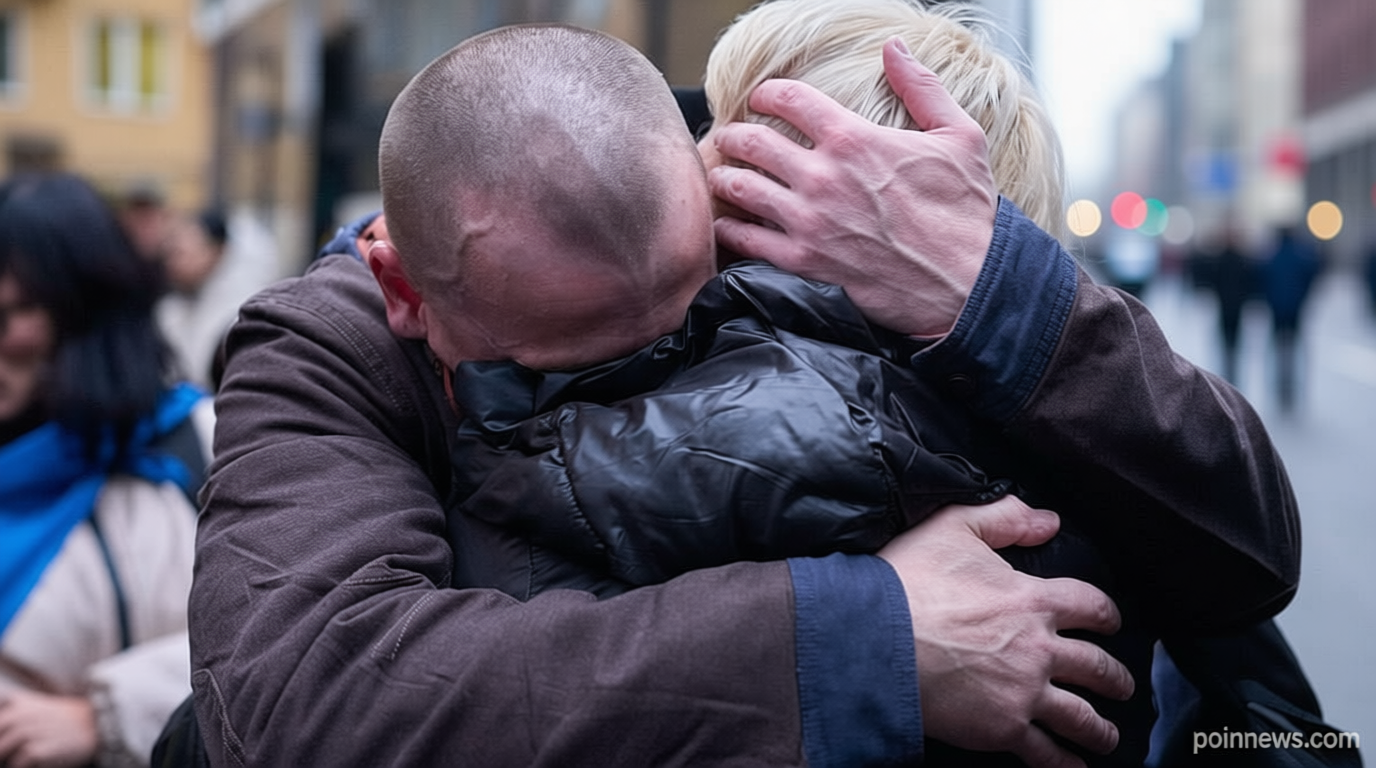
Table of Contents
Euroviews: The Hidden Toll of Russia’s War Against Ukraine
Poinews.com – The screams through the wall have become a haunting symbol of the unseen suffering caused by Russia’s invasion of Ukraine. Sexual violence in conflict zones has long been a quiet crisis, often overshadowed by the more visible battles of war. Yet, a recent gathering in Kyiv brought these hidden wounds to light, revealing how trauma lingers long after the bullets stop. One survivor described the terror of being subjected to electric shocks during interrogation, a method claimed to extract truth. His hands trembled as he spoke, and a nearby woman offered a gentle touch, a silent act of solidarity that underscored the shared burden of survival.
The Unseen Impact of War on Families
Through the walls of the detention facility, the sounds of terror echoed—a cacophony of women’s cries and the menacing whispers of gang rape. This visceral experience left survivors powerless, forced to endure the anguish of others as if it were their own. The psychological toll is profound, shaping the collective memory of communities and fracturing the bonds of trust within families. “The harm reaches whole families,” one participant explained. “It’s not just the survivor who bears the scars—it’s the wife, the children, the home they return to.” This sentiment highlights how war’s violence extends far beyond the battlefield, embedding itself in the fabric of everyday life.
Documenting the Scope of the Crisis
According to the UN human rights office, 664 documented cases of sexual violence have been recorded by the Russian Federation since February 2022, affecting prisoners of war, civilians, and occupied populations. Survivors recount their experiences with raw emotion, often reenacting the most harrowing moments before investigators. Yet, these numbers represent only a fraction of the true scale. Based on UNFPA’s analysis, there may be ten to twenty unreported cases for every documented one, leaving countless stories buried beneath layers of silence and stigma.
The screams through the wall also reflect the systemic nature of the violence. In occupied territories, women and girls face targeted harassment, while men are subjected to brutal interrogations. The fear of being captured or assaulted permeates every aspect of daily existence, creating a climate of anxiety and helplessness. Survivors often describe feeling trapped, unable to seek justice without exposing their vulnerability. This emotional and psychological toll is as devastating as the physical harm, yet it remains underreported and underaddressed in global discourse.
Ukraine’s Resilient Response to Trauma
Amid the devastation, Ukraine has taken a courageous step forward by prioritizing healing. A new law ensures survivors of sexual violence receive free rehabilitation and interim reparations, even as the war continues. With support from UNFPA, the government has partnered with women-led organizations to establish safe spaces for recovery. These centers offer two weeks of respite, where survivors and their families can rebuild trust and stability. The screams through the wall are now being met with structured care, proving that Ukraine’s resilience extends beyond survival to rebuilding lives.
One survivor-led network in Zaporizhzhia has secured regional funding to restore dignity to those affected. Their work exemplifies a growing trend: women’s organizations, traditionally at the forefront of gender-based violence initiatives, are now leading efforts to address the broader social and emotional consequences. Despite this progress, challenges persist. Nearly 80% of Ukrainian women’s groups reported funding cuts in 2026, with two-thirds now managing waiting lists or turning away those in need. An estimated 63,000 people risk losing access to critical support programs this year, underscoring the fragility of Ukraine’s efforts.
Yet, Ukraine’s response remains a beacon of hope. By investing in survivor-centered programs, the nation demonstrates that healing cannot wait for peace. These initiatives recognize that the screams through the wall are not isolated incidents but part of a larger crisis that demands urgent action. As the war drags on, the emotional and social reverberations of conflict must be addressed with the same determination as its physical toll. This commitment to resilience and recovery ensures that the hidden cost of war is not forgotten, even in the darkest moments of conflict.