Video. Tibetan activists detained outside Chinese Embassy in New Delhi
Tibetan Activists Detained Outside Chinese Embassy in New Delhi Tibetan activists detained outside Chinese Embassy - On July 7, a group of Tibetan activists

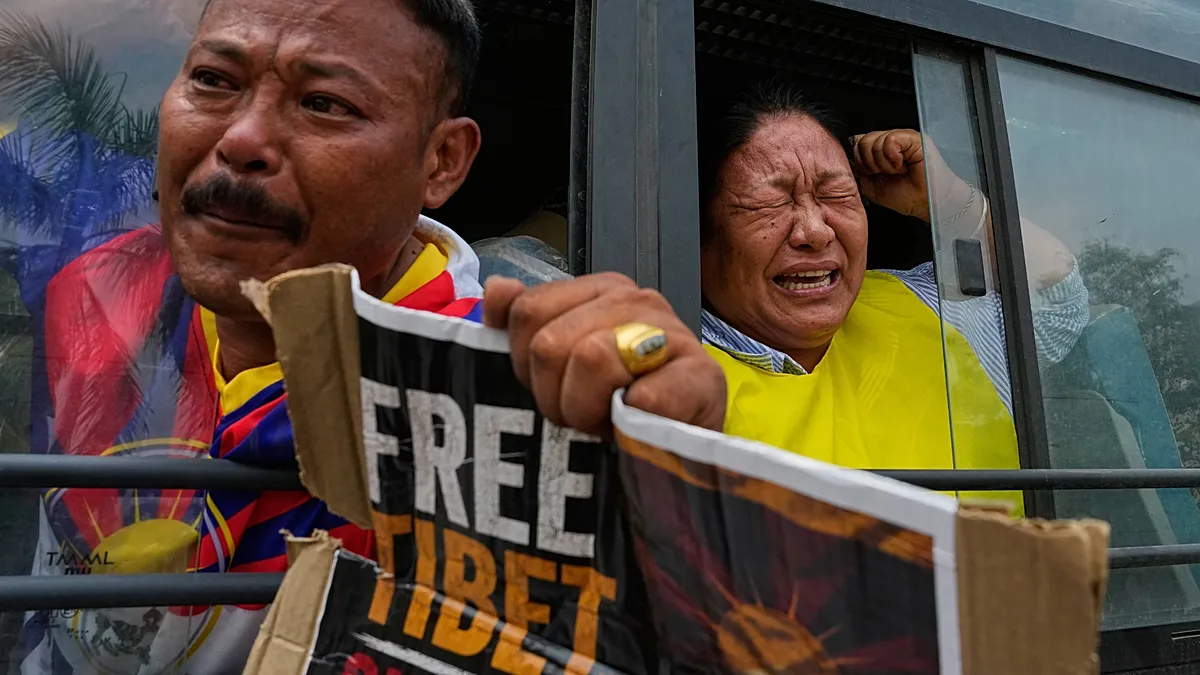
Tibetan Activists Detained Outside Chinese Embassy in New Delhi
Poinews.com – On July 7, a group of Tibetan activists was detained outside the Chinese Embassy in New Delhi, sparking international attention and debate over the region’s political tensions. The incident, captured on video and widely shared on social media, showed protesters from the Tibetan Youth Congress (TYC) marching toward the embassy with signs demanding ‘Free Tibet’ and criticizing Chinese policies in the region. The activists were reportedly arrested by police as they attempted to enter the embassy compound, an event that has reignited discussions about the ongoing struggle for Tibetan independence. This moment underscores the persistent efforts of Tibetan groups to draw global attention to their cause, even in the face of diplomatic resistance from China.
The Context of the Protests
Tibetan activists have long used protests and demonstrations as a means to express their demands for greater autonomy or full independence from China. The recent detention in New Delhi follows a series of similar actions taken by the TYC and other organizations in recent months, often targeting Chinese diplomatic missions worldwide. The protest on July 7 was directly linked to the death of Rangzen Lobga, a prominent Tibetan activist who self-immolated at the United Nations headquarters in New York City on July 2. His act of defiance was seen as a powerful symbol of the movement’s resolve, prompting further mobilization in India. The Chinese Embassy in New Delhi has historically been a focal point for such demonstrations, with activists frequently gathering there to voice their grievances.
During the protest, participants chanted slogans such as ‘Tibet is our motherland’ and ‘Free Tibet’ while carrying banners that depicted Rangzen Lobga and other figures associated with the movement. The demonstration was organized to highlight the ongoing human rights concerns in Tibet, particularly the treatment of political prisoners and the suppression of cultural identity. The police response was swift, with officers intervening to detain the protesters and prevent them from entering the embassy. This action was part of a broader strategy by Chinese authorities to curb dissent in public spaces, especially near their diplomatic missions.
Global Reactions and Political Implications
The detention of Tibetan activists in New Delhi has drawn mixed reactions from international observers. While some critics of China have condemned the arrests as an attempt to silence dissent, others have viewed them as necessary measures to maintain order. The incident has also been used by pro-Tibet groups to rally support, with online campaigns and social media posts emphasizing the activists’ courage. Meanwhile, the Chinese government has defended its actions, stating that the detention was a routine response to the protesters’ attempt to disrupt the embassy’s operations. This event has further complicated the already delicate relationship between India and China, as the latter continues to assert its influence in the region.
Tibetan activists often face challenges in organizing protests, as their activities can be seen as provocative by the Chinese authorities. The July 7 event in New Delhi is part of a pattern of demonstrations that have taken place in multiple cities, including Dharamshala, where the Dalai Lama is based. These protests are frequently met with arrests, fines, or other forms of pressure, but they continue to attract participants from across the globe. The presence of Rangzen Lobga’s image in the protest signs has become a rallying point, symbolizing the movement’s hope for a more liberated Tibet. The footage of the detention, however, has also been used by critics to question China’s handling of the situation and its commitment to dialogue.
“The detention of our activists is a clear message that China will not allow any form of dissent, even in foreign soil,” said a spokesperson for the Tibetan Youth Congress after the incident. “This is a symbolic act of aggression, and it will not stop our fight for freedom.”
The incident highlights the challenges faced by Tibetan activists in maintaining visibility and momentum for their cause. Despite the risks, they continue to organize events that blend civil protest with cultural expression, often drawing parallels to historical movements in the region. The Chinese Embassy in New Delhi has remained a key location for such gatherings, with activists arguing that it is an appropriate site to challenge Chinese policies. The response from the Indian police, which included the use of force to remove the protesters, has been criticized by some as excessive, though others see it as a necessary measure to protect diplomatic interests.